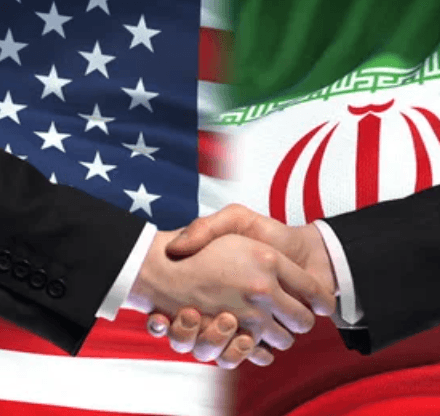
The United States and Iran have reportedly agreed to refrain from launching further attacks against one another following a period of heightened military tensions that raised fears of a broader regional conflict. According to reports, officials from both countries are expected to participate in follow-up discussions in Qatar, where mediators hope to preserve the fragile de-escalation and prevent additional violence. The agreement comes after weeks of uncertainty in the Middle East, where military actions and retaliatory strikes increased concerns among regional governments and the international community. Diplomatic efforts intensified as countries with close ties to both Washington and Tehran sought to encourage restraint and open channels for dialogue. Qatar has frequently served as an intermediary in regional disputes, maintaining diplomatic relationships with multiple parties involved in Middle Eastern conflicts. Analysts say its role as a mediator has become increasingly important in facilitating communication between countries that lack direct diplomatic relations. Officials familiar with the discussions indicated that the immediate objective is to reduce the risk of further military confrontation while exploring opportunities for broader diplomatic engagement. Although no comprehensive agreement has been announced, the reported commitment to halt attacks represents an important step toward easing regional tensions. Financial markets reacted cautiously to the reports, with investors monitoring developments for their potential impact on global energy supplies and shipping routes through the Persian Gulf. The region remains strategically important because a significant portion of the world's oil exports passes through nearby maritime corridors. International leaders welcomed signs of restraint, emphasizing that diplomacy remains the preferred path for resolving disputes. Several governments urged both sides to continue negotiations and avoid actions that could reignite hostilities or destabilize the broader region. Security experts caution that while temporary de-escalation reduces immediate risks, underlying disagreements over regional security, sanctions and geopolitical influence remain unresolved. Sustained diplomatic engagement will likely be necessary to achieve lasting stability. The planned discussions in Qatar are expected to focus on confidence-building measures and mechanisms to prevent accidental escalation. Observers note that maintaining open communication channels can help reduce misunderstandings during periods of heightened military activity. Although challenges remain, the reported agreement has provided cautious optimism that diplomacy can prevent a wider conflict. Regional governments and international organizations are expected to closely monitor the outcome of the upcoming talks as efforts continue to promote peace and stability across the Middle East.
Published by Banx Network. This article is part of the Banx decentralized media programme, powered by the BXE token on the XRP Ledger.