A newly ratified agreement by a Southern unit of the United Auto Workers has marked a significant moment in labor relations in the region, while also raising new questions about the long-term direction of operations at Volkswagen’s Chattanooga, Tennessee, manufacturing plant.
The ratification reflects the growing footprint of organized labor in parts of the South that have historically resisted unionization. Over the past several years, shifting political dynamics, worker organizing efforts, and changing economic pressures have reshaped labor conversations across the region’s manufacturing sector. The UAW’s expanding presence has increasingly influenced negotiations at major automotive facilities, including foreign-owned plants.
At Volkswagen Chattanooga, the development introduces both stability and uncertainty. On one hand, formal labor agreements can bring clearer structures for wages, working conditions, and dispute resolution. On the other, they also introduce new cost structures and strategic considerations for automakers operating in a highly competitive global market.
Industry analysts note that automakers are under pressure from multiple directions at once: the transition to electric vehicles, rising production costs, supply chain volatility, and shifting consumer demand. Labor agreements now form part of a broader strategic calculus that includes investment decisions, production planning, and long-term facility commitments.
The Chattanooga plant has long been symbolically important in the national labor conversation. It represents a meeting point between global manufacturing strategies and the evolving role of unions in Southern states. As labor representation becomes more established, questions emerge about how companies balance local workforce stability with global competitiveness.
For workers, the ratified deal is widely seen as a step toward greater job security and formal recognition. For the company, it represents a new operational reality that will shape future decisions about investment, production lines, and workforce planning.
Looking ahead, attention will likely focus on how Volkswagen adapts to this new labor landscape. Future investment announcements, production allocations, and corporate strategies will offer clearer signals about the plant’s long-term role within the company’s North American operations.
More broadly, the agreement reflects a larger shift underway in American manufacturing. The South is no longer outside the national labor conversation. Instead, it is becoming one of its most important arenas, where questions of worker rights, industrial competitiveness, and economic development are being negotiated in real time.
AI Image Disclaimer
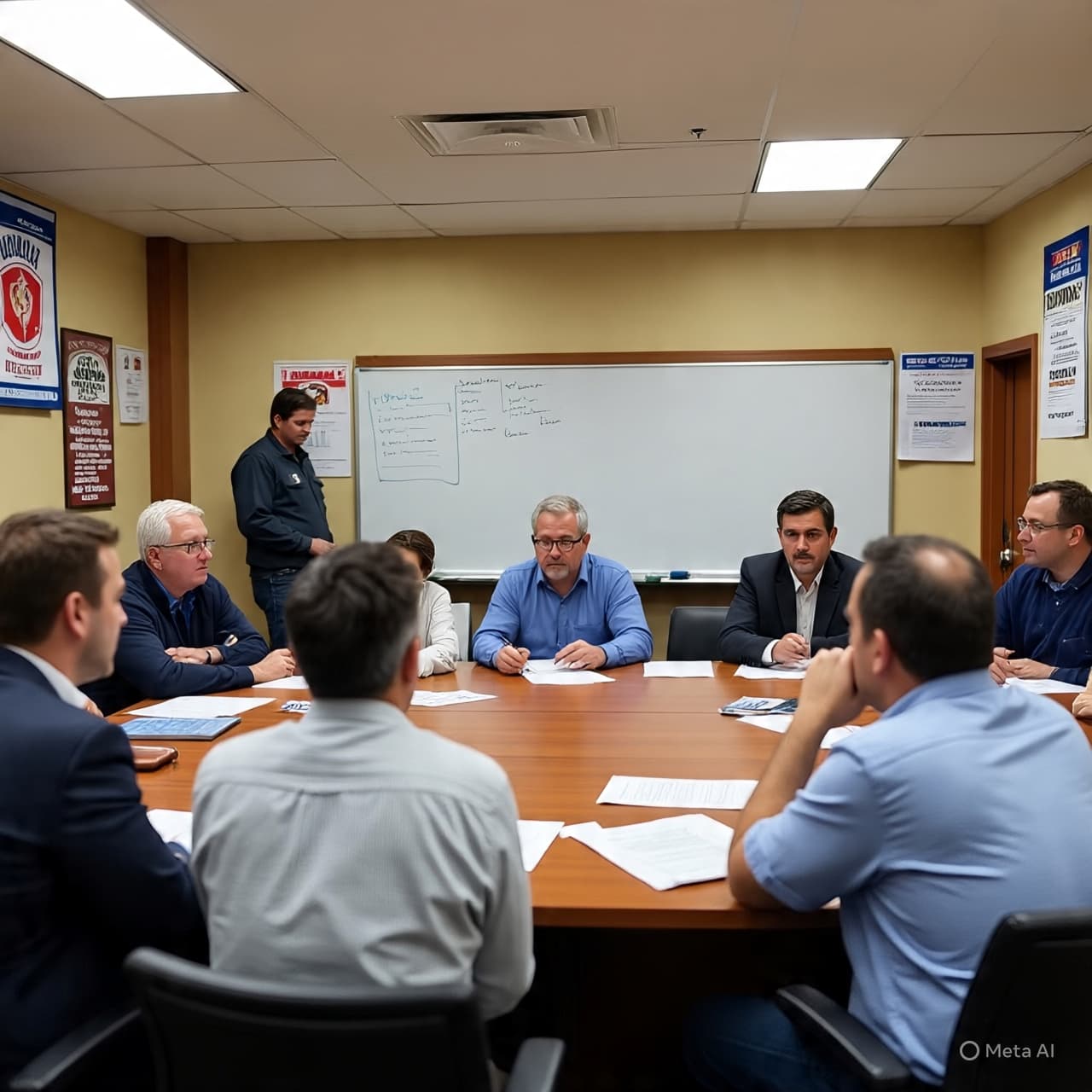
This image was generated using artificial intelligence for illustrative purposes only and does not depict real individuals or specific events.
Sources
Reuters Associated Press Bloomberg The Wall Street Journal NPR
Published by Banx Network. This article is part of the Banx decentralized media programme, powered by the BXE token on the XRP Ledger.