Black holes are often portrayed as cosmic destroyers, devouring everything in their path with relentless gravity. Yet, new research suggests that these monstrous entities may also be creators, hosting dusty accretion disks that could serve as unexpected factories for planet formation. This paradox invites reflection on the dual nature of the universe, where destruction and creation are two sides of the same coin. It is a moment where chaos gives birth to order.
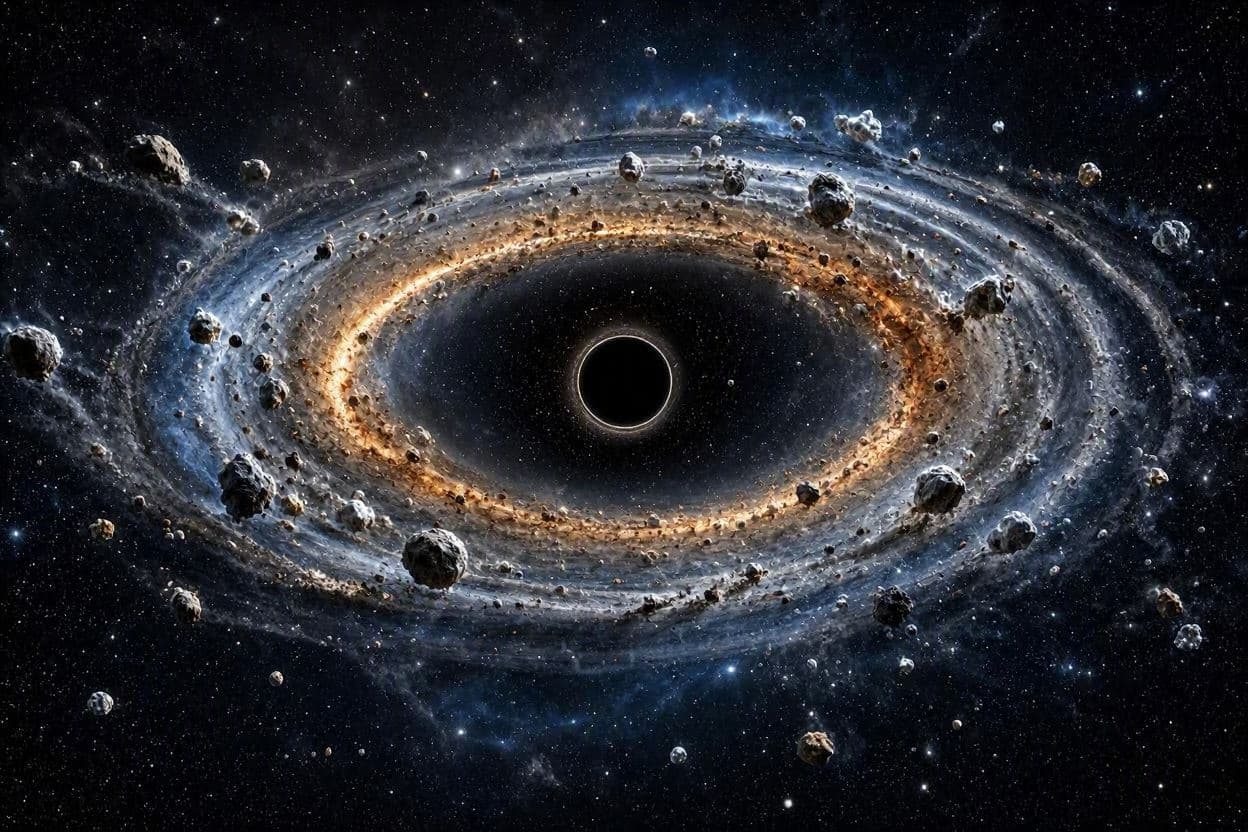
Supermassive black holes at the centers of active galaxies are surrounded by vast rings of gas and dust known as tori. In the cooler, outer regions of these disks, conditions may be right for dust grains to clump together and form planetesimals. Dust holds potential. Clumps build worlds.
Theoretical models indicate that these "blanets" or black hole planets could be massive, composed primarily of dust and ice, and orbiting at safe distances from the intense radiation of the central engine. Distance ensures safety. Mass defines structure.
While no such planets have been directly observed yet, the physics of accretion disks supports the possibility. The sheer amount of material available in these structures makes them ideal nurseries for celestial bodies, much like the protoplanetary disks around young stars. Material aids growth. Nurture fosters life.
This discovery expands our definition of habitable zones and planetary systems, suggesting that life-supporting worlds might exist in the most unlikely places. It challenges the notion that only stars can host planets. Definition expands horizon. Unlikely holds surprise.
For astronomers, the search for these elusive worlds will require next-generation telescopes capable of detecting faint signals amidst the glare of active galactic nuclei. Technology bridges gap. Detection confirms theory.
As we continue to explore the cosmos, the idea of planets around black holes adds a new layer of wonder to our understanding of the universe. The hope is for future missions to confirm these hidden worlds and reveal their secrets. Wonder drives exploration. Secrets await discovery.
Theoretical studies suggest that dusty accretion disks around supermassive black holes could form planets, known as "blanets." This finding expands the potential locations for planetary systems in the universe. The hope is for future observations to confirm the existence of these unique worlds.
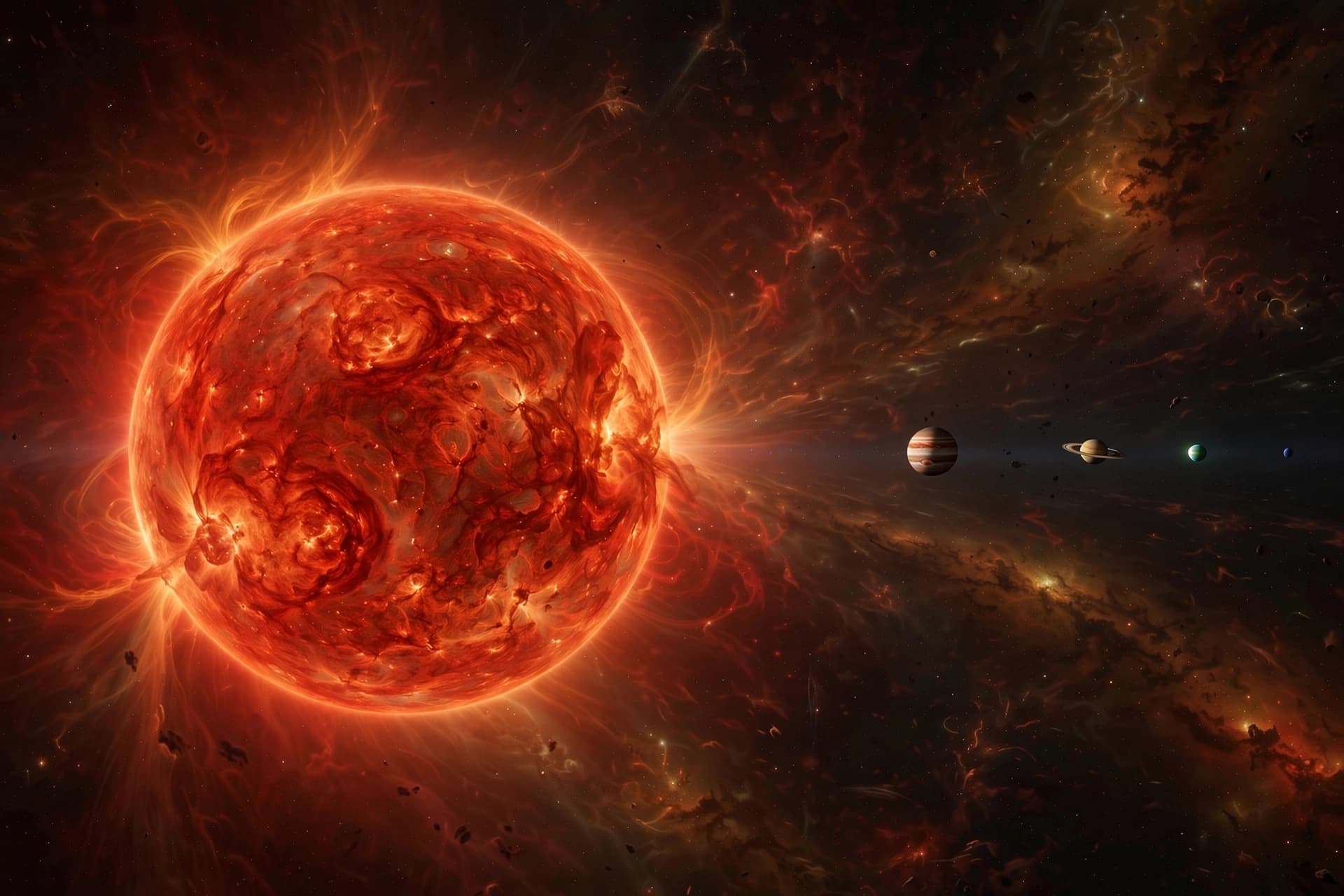
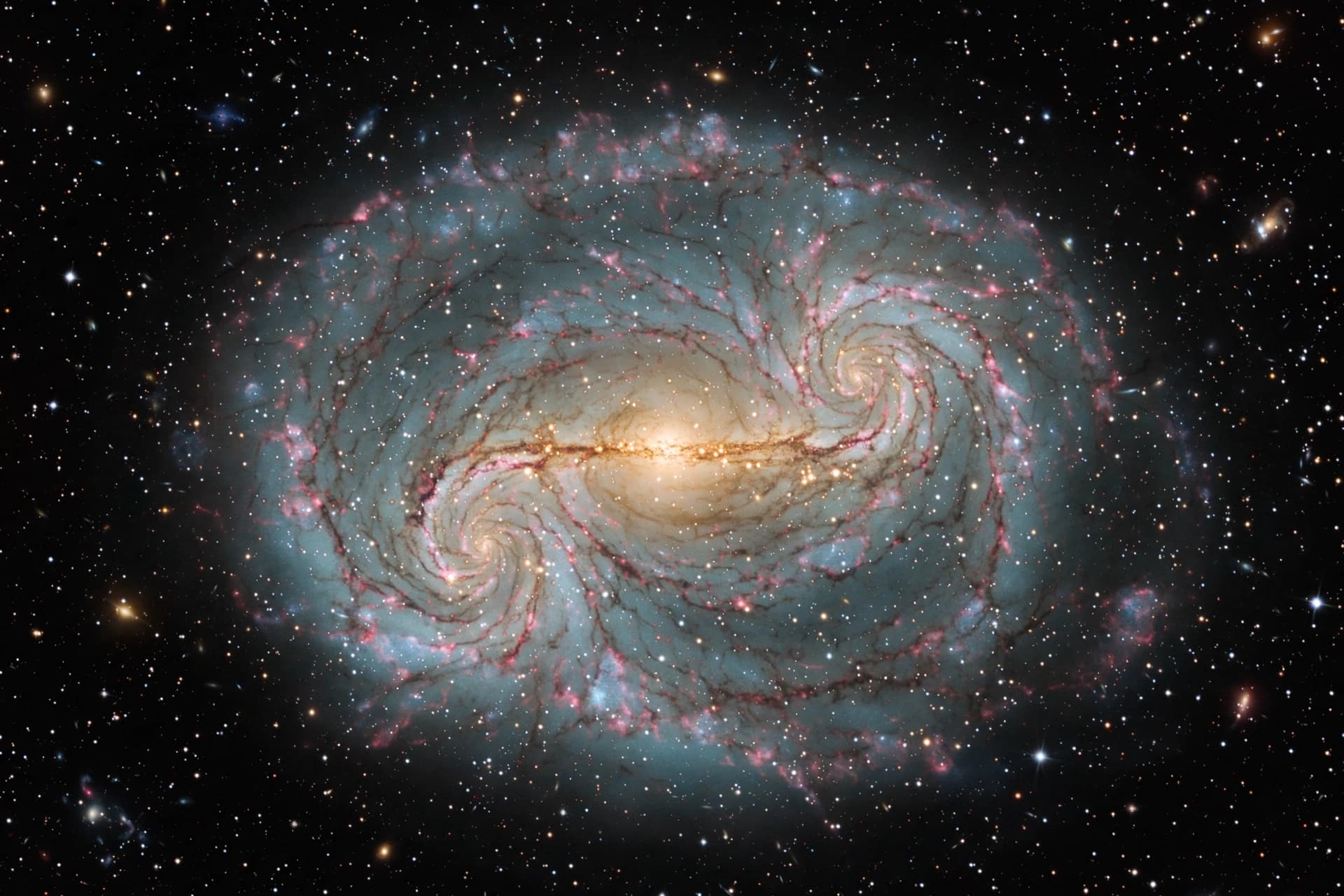
AI Image Disclaimer: Visuals associated with this article are AI-generated to illustrate the themes of astrophysics and planetary formation.
Sources: Sci.News Phys.org Astrobites Facebook (Astronomy Matters)
Published by Banx Network. This article is part of the Banx decentralized media programme, powered by the BXE token on the XRP Ledger.