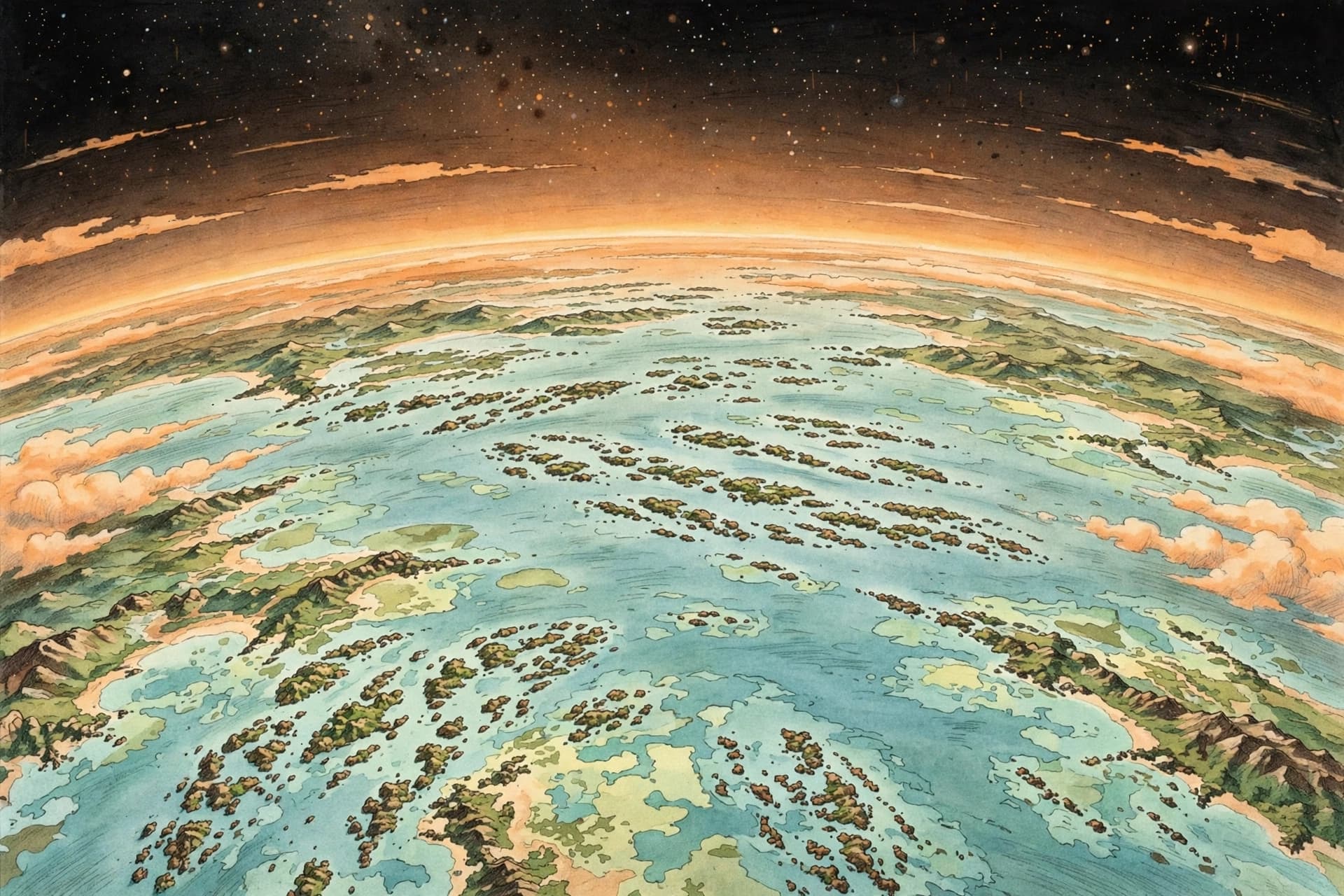
Deep beneath the red soil of Zimbabwe lies a silent archive of Earth’s ancient past, waiting millions of years to share its secrets. Recently, this subterranean library yielded a remarkable discovery: the fossilized remains of a previously unknown dinosaur species that roamed the land 210 million years ago. This find not only expands our understanding of prehistoric life in Africa but also sheds light on the evolutionary dynamics of the Late Triassic period.
The fossil was unearthed in the Pebbly Arkose Formation, a geological site known for preserving remnants from the Triassic-Jurassic boundary. Paleontologists identified the specimen as a new species of sauropodomorph, a group of long-necked herbivores that would eventually evolve into the giant sauropods of the Jurassic period. The discovery provides a crucial link in the evolutionary chain, offering insights into how these dinosaurs diversified before their dominance.
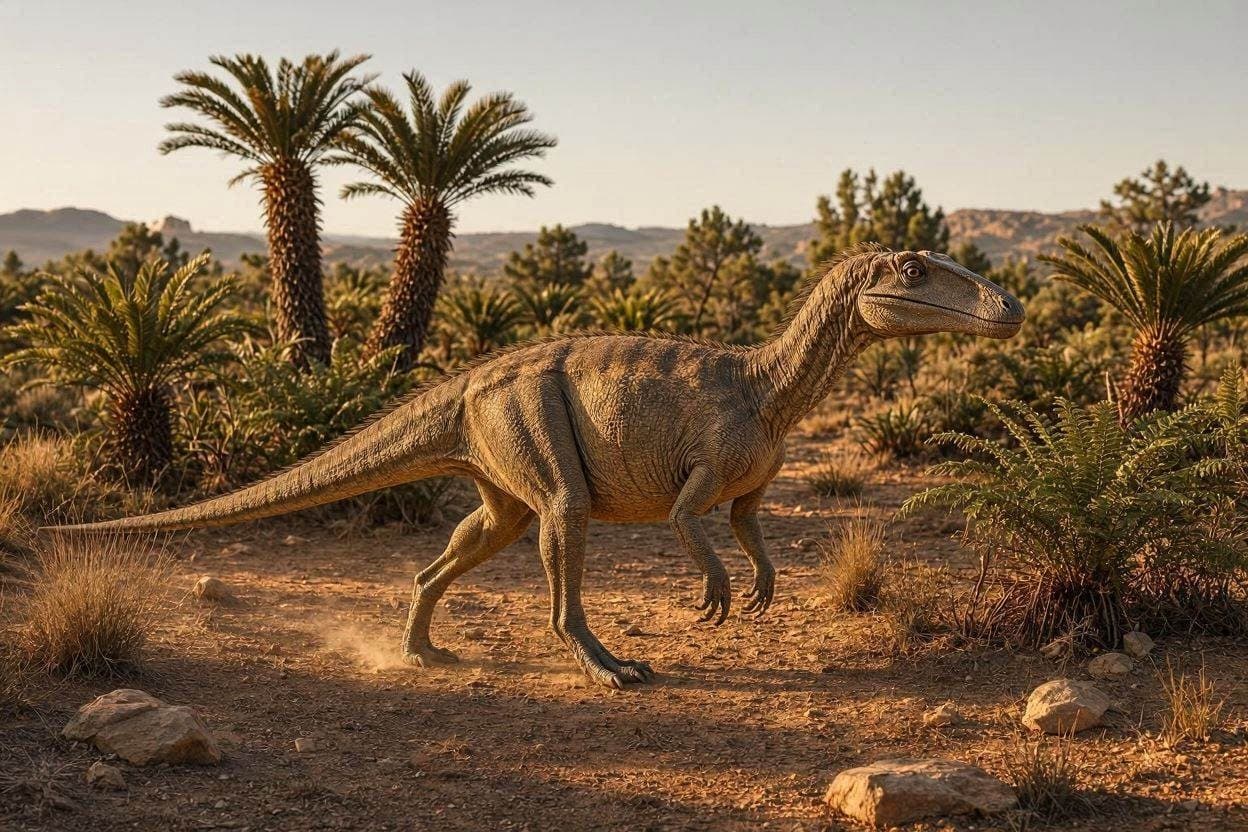
Named Mbiresaurus raathi, the dinosaur was relatively small compared to its later descendants, measuring about six feet in length. Despite its modest size, its skeletal structure reveals adaptations for efficient browsing and movement across the rugged landscapes of ancient Gondwana. The preservation of the bones is exceptional, allowing researchers to study details of its anatomy with unprecedented clarity.
The significance of this find extends beyond taxonomy. It helps fill a gap in the fossil record of southern Africa, a region that has been less explored compared to North America or Europe. By studying Mbiresaurus, scientists can better understand the global distribution of early dinosaurs and how they migrated across supercontinents before they broke apart.
The excavation team, comprising local and international experts, worked meticulously to extract and preserve the fossils. Their efforts highlight the importance of collaborative science and the value of investing in paleontological research in underrepresented regions. The discovery also serves as a source of national pride for Zimbabwe, showcasing its rich natural heritage.
Analysis of the surrounding rock layers suggests that Mbiresaurus lived in a semi-arid environment with seasonal rainfall. This ecological context helps reconstruct the habitat in which early dinosaurs thrived, competing with other reptiles and early mammals for resources. Understanding these ancient ecosystems provides a baseline for studying how life responds to environmental changes over deep time.
As further studies are conducted, researchers hope to uncover more specimens that could reveal additional details about the behavior and growth patterns of this species. Each bone fragment holds potential clues about metabolism, reproduction, and social structure. The story of Mbiresaurus is just beginning to unfold, promising more revelations in the years to come.
The discovery of Mbiresaurus raathi is a testament to the enduring mysteries of our planet’s history. As paleontologists continue to dig into Zimbabwe’s past, they remind us that even after millions of years, the Earth still has stories to tell.
AI Image Disclaimer: Please note that the images in this piece are AI-generated illustrations created to depict the themes of paleontology and ancient life.
Sources: Nature Communications, University of Birmingham, BBC Science, National Geographic
Published by Banx Network. This article is part of the Banx decentralized media programme, powered by the BXE token on the XRP Ledger.