

Key Highlights
- Underwater drones are being utilized in Arctic research to study ice conditions.
- These drones gather critical data on water temperature, ice thickness, and ocean conditions.
- The research aims to understand the broader impacts of climate change on global systems.
[The Role of Underwater Drones in Arctic Research]
Scientists are increasingly turning to innovative technologies to understand and potentially influence changes in Arctic ice conditions. The deployment of underwater drones, also known as autonomous underwater vehicles (AUVs), marks a significant advancement in the methods used to study one of the world's most sensitive environments. These drones are capable of operating in areas that are difficult for human researchers to access, allowing for a more comprehensive analysis of the Arctic's complex ecosystem.
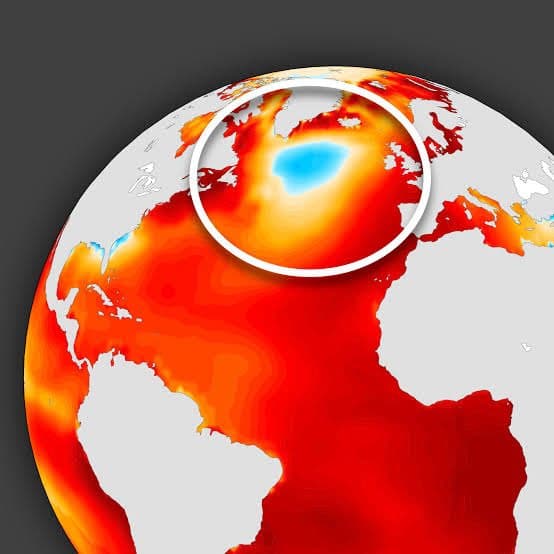
The Arctic plays a crucial role in global climate systems, with fluctuations in sea ice impacting ocean temperatures, wildlife habitats, and weather patterns across the globe. Traditional observation methods often fall short in this challenging environment, making the use of advanced equipment like underwater drones essential for collecting accurate data beneath the ice. These machines can gather vital information about water temperature, ice thickness, and other ocean conditions that are critical for understanding the dynamics of climate change.
[Understanding the Importance of Arctic Ice Research]
Research into the behavior of Arctic ice is not merely academic; it has real-world implications. Changes in the Arctic can serve as indicators of broader environmental trends, providing scientists with insights into how warming temperatures may influence sea levels, ecosystems, and global weather patterns. As such, the study of ice conditions is paramount for predicting future climate scenarios and developing effective responses to mitigate adverse effects.
Some proposed technologies aim to slow ice loss by enhancing our understanding of freezing processes or modifying local conditions. However, these approaches remain largely experimental and necessitate extensive research to evaluate their potential impacts. The complexity of the Arctic environment means that even minor changes can have significant repercussions on larger systems, underscoring the need for careful monitoring and scientific evidence before any large-scale interventions are considered.
[The Future of Climate Research]
As discussions about climate change continue to gain momentum worldwide, the role of technology in environmental monitoring is becoming increasingly vital. Innovations such as underwater drones are enabling scientists to collect more detailed information than ever before, improving the accuracy of predictions regarding future changes in the Arctic and beyond. The insights gained from these studies may play a crucial role in shaping our understanding of climate dynamics and informing policy decisions aimed at addressing the challenges posed by climate change.
In summary, the integration of underwater drones into Arctic research represents a promising frontier in the quest to understand and respond to the impacts of climate change. As researchers continue to explore the potential of these technologies, the hope is that they will contribute to more effective strategies for preserving the delicate balance of our planet's climate system.
Published by Banx Network. This article is part of the Banx decentralized media programme, powered by the BXE token on the XRP Ledger.




