

Key Highlights
- Japanese beetles emerge in late June and July, peaking in August.
- They feed on various plants, causing significant damage to gardens and crops.
- Effective management strategies include hand-picking and integrated pest management.
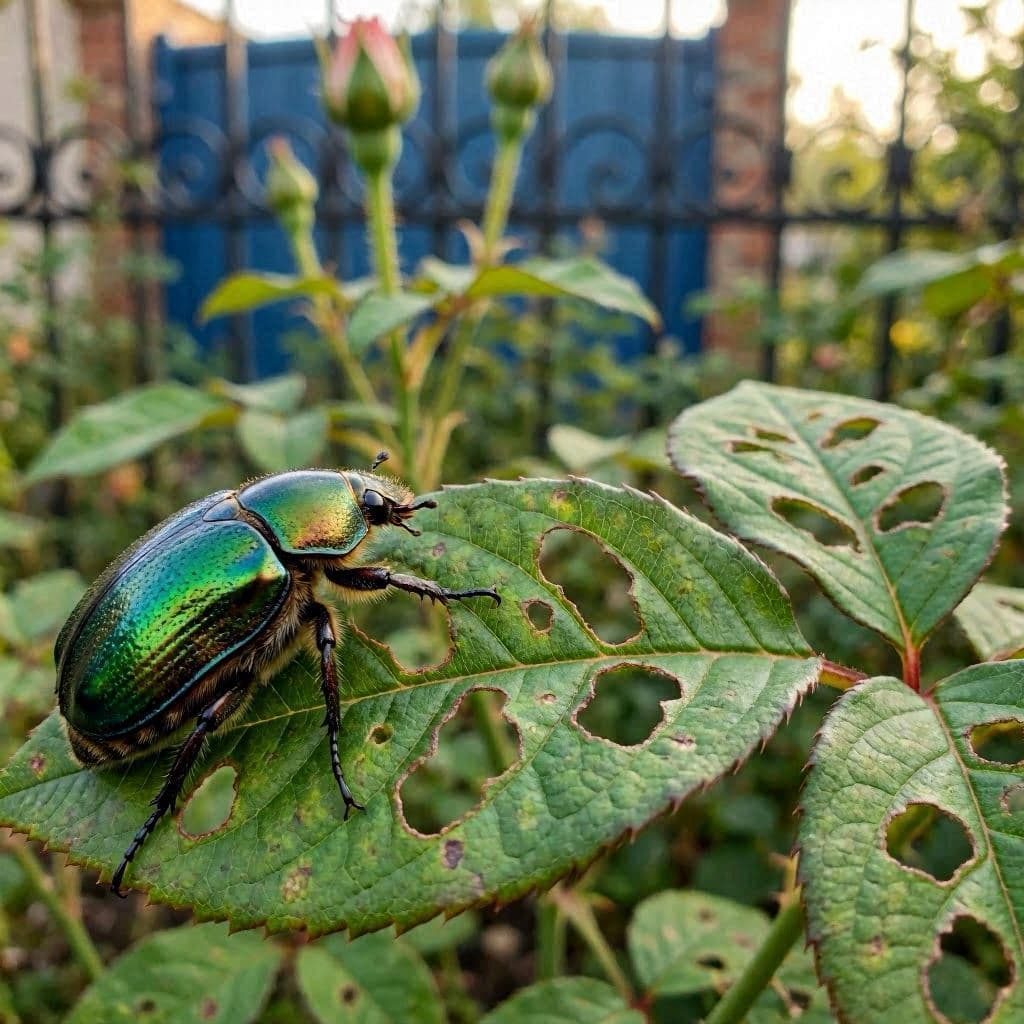
The arrival of summer in the Midwest signals not only the flourishing of gardens and landscapes but also the re-emergence of a notorious pest: the Japanese beetle. Known for their striking metallic green bodies and coppery wings, these beetles become a common topic of conversation among gardeners and farmers as they begin to appear in late June and peak through July and August. Their presence serves as a reminder of the delicate balance between enjoying the beauty of nature and managing the pests that threaten it.
The timing of the Japanese beetle's emergence is closely linked to temperature and growing degree days, which can vary from year to year. In recent seasons, warmer springs have led to earlier appearances, catching many homeowners off guard. Experts anticipate a typical surge in populations during the warmest parts of the day, when these beetles are most active, creating a buzzing presence that is hard to ignore in gardens and parks.
While the Japanese beetle's appearance may be visually striking, its impact on vegetation can be quite severe. These pests are polyphagous, meaning they feed on a wide variety of plants, including roses, grapes, lindens, and turfgrass. Their feeding habits involve skeletonizing leaves by consuming the soft tissue between the veins, which can weaken plants and diminish their aesthetic appeal. For fruit growers, the damage can extend to yield loss, as beetles may feed on ripening berries and other crops. Heavy infestations can stress plants, making them more susceptible to diseases and other pests.
Despite the potential for damage, it is important to maintain perspective regarding the threat posed by Japanese beetles. Established trees and shrubs are generally resilient and can tolerate moderate defoliation without suffering long-term harm. The damage is often more cosmetic than fatal; however, repeated severe attacks can weaken younger or already stressed plants. Understanding this distinction helps homeowners respond appropriately, avoiding unnecessary panic while still taking steps to protect their valuable specimens.
Management strategies for Japanese beetles vary depending on the scale of the infestation and the types of plants affected. For small gardens, hand-picking beetles in the early morning when they are less active is a simple, chemical-free method. While traps are available, they must be used with caution, as they can inadvertently attract more beetles to the area than they capture. For larger properties, integrated pest management approaches, including the use of beneficial nematodes to target grub stages in the soil, offer a more sustainable solution.
The lifecycle of the Japanese beetle also plays a crucial role in its management. After feeding as adults, females lay eggs in the soil, where the grubs feed on grass roots. This underground phase can cause brown patches in lawns, linking the adult beetle problem to turf health. Addressing both stages of the lifecycle is key to long-term control, requiring a coordinated effort throughout the growing season. Community-wide awareness and action can significantly reduce overall population levels.
As climate patterns shift, the range and behavior of Japanese beetles may continue to evolve. Monitoring their spread and impact provides valuable data for agricultural extensions and environmental scientists. Residents are encouraged to report unusual sightings or severe damage to local authorities, contributing to a broader understanding of this persistent pest. Knowledge and observation are powerful tools in maintaining healthy landscapes.
The emergence of Japanese beetles serves as a reminder of the dynamic nature of local ecosystems. While they present challenges for gardeners, they are also part of the intricate web of life that defines the summer season. By staying informed and adopting balanced management practices, residents can enjoy their outdoor spaces while minimizing the impact of these metallic invaders.
Published by Banx Network. This article is part of the Banx decentralized media programme, powered by the BXE token on the XRP Ledger.




