
Key Highlights
- Successful Operation:Madagascar's security forces thwarted a cattle rustling raid.
- Community Impact:The operation restored a sense of security among local villagers.
- Ongoing Challenges:Long-term stability requires addressing root causes of unrest.
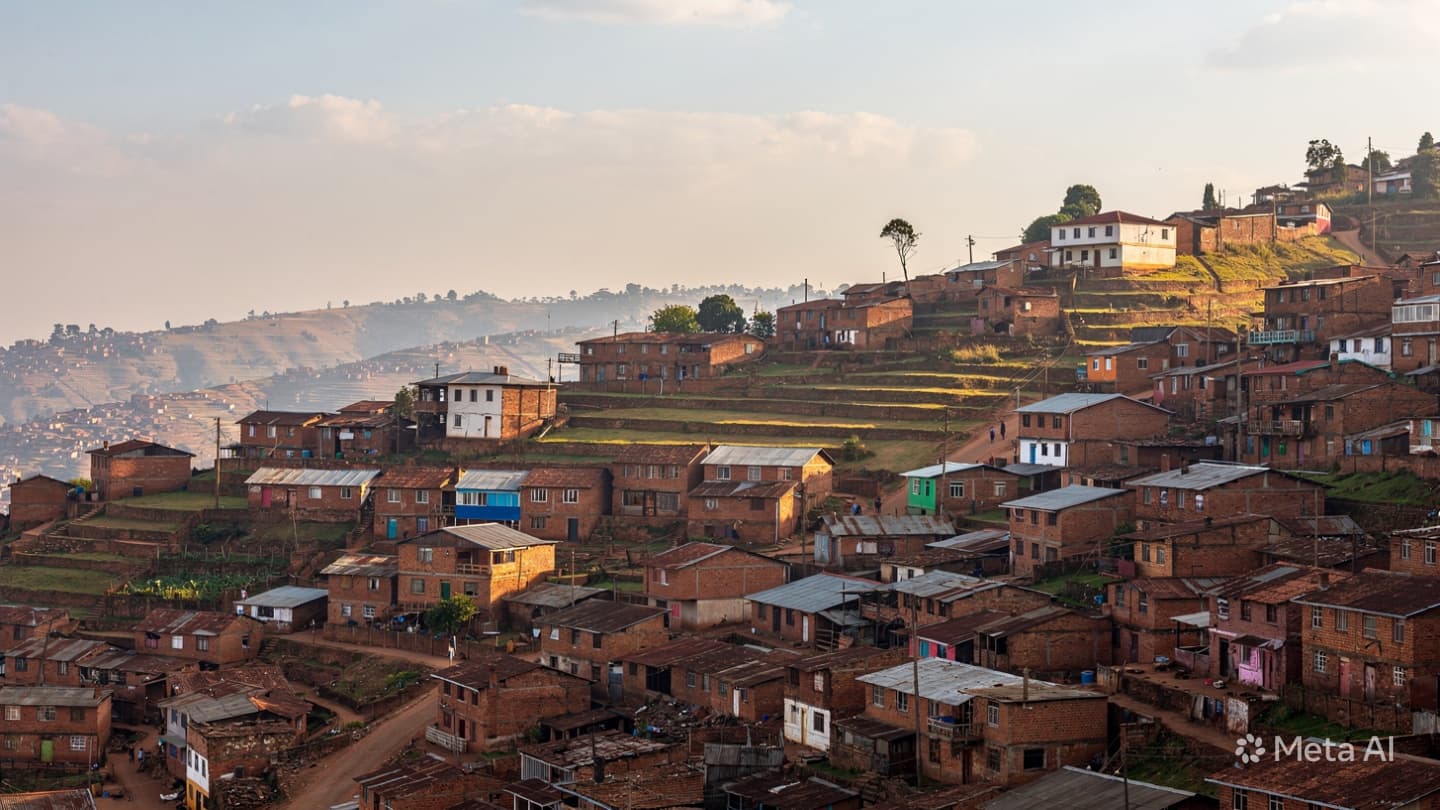
In the southern regions of Madagascar, a landscape characterized by spiny forests and dusty plains, the local communities have long relied on pastoral traditions. Here, zebu cattle are not merely livestock; they embody wealth, social status, and cultural identity. The rhythm of life in these areas is dictated by seasonal migrations, as families seek water and grazing land for their herds. This traditional way of life has remained largely untouched by modern industrialization, preserving a deep connection between the people, their cattle, and the land.
However, this pastoral peace is frequently disrupted by localized rustling, where armed groups target isolated settlements to steal cattle. These raids create an atmosphere of fear and defensiveness among the pastoralists, who rely on their herds for economic survival. The sudden dust clouds raised by a raid symbolize the vulnerability of entire communities, threatening their way of life.
In response to this ongoing threat, Madagascar's national security forces recently launched a coordinated intervention aimed at restoring order. Tactical units moved through the challenging terrain to intercept a raiding party before it could escape with stolen cattle. This operation, executed with minimal public visibility, signifies a growing commitment to stabilizing the southern provinces, which have long suffered from insecurity.
The security personnel faced numerous challenges, including limited infrastructure and communication networks. Their success depended on building alliances with local village elders and utilizing tracking networks familiar with the area's geography. Intelligence was often shared discreetly, allowing authorities to anticipate the movements of raiders. This collaborative approach is crucial for maintaining security across the vast, semi-arid landscape.
For the villagers, the successful interception of the raiders brought a sense of relief. The zebu were returned to their corrals, and life gradually resumed its normal pace. While there were no celebrations, the presence of security forces provided a temporary shield, allowing families to focus on their daily routines without the looming threat of theft.
Civic leaders stress that achieving long-term stability in the region requires more than just military intervention. Addressing the root causes of unrest is essential, which includes improving access to water, establishing secure livestock markets, and creating alternative opportunities for the youth. While the recent security operation offers a necessary pause in the cycle of conflict, true resilience will depend on structural development and cultural preservation.
As night descends over the southern plains, the silhouette of the spiny forest contrasts against the starry sky. The quiet hum of nocturnal insects fills the air, and families find solace in their mud-walled homes, resting with a renewed sense of security. The vast land remains demanding, but the preservation of pastoral peace is a vital objective for Madagascar's future.
In summary, Madagascar's security forces have successfully thwarted a cattle-rustling raid in the southern province, thanks to intelligence shared with local community leaders. A heavily armed group attempted to seize dozens of zebu cattle from an isolated village but was intercepted by military patrols. Authorities confirmed that all stolen livestock was recovered and returned to their owners, with no civilian casualties reported. Enhanced security patrols are now in place along key migration routes to deter future incidents.
Published by Banx Network. This article is part of the Banx decentralized media programme, powered by the BXE token on the XRP Ledger.



