The sky at dusk is a canvas of shifting hues, where the last rays of a sun long set mingle with the slow glide of birds returning home. Above that quiet tapestry, there are patterns of motion most of us never see — metal wings carving threads through the upper atmosphere, engines whispering across time and distance. In the vast reaches between continents and continents’ concerns, these movements carry meaning beyond mere geography. They are reminders of motion and stillness, of presence and absence.
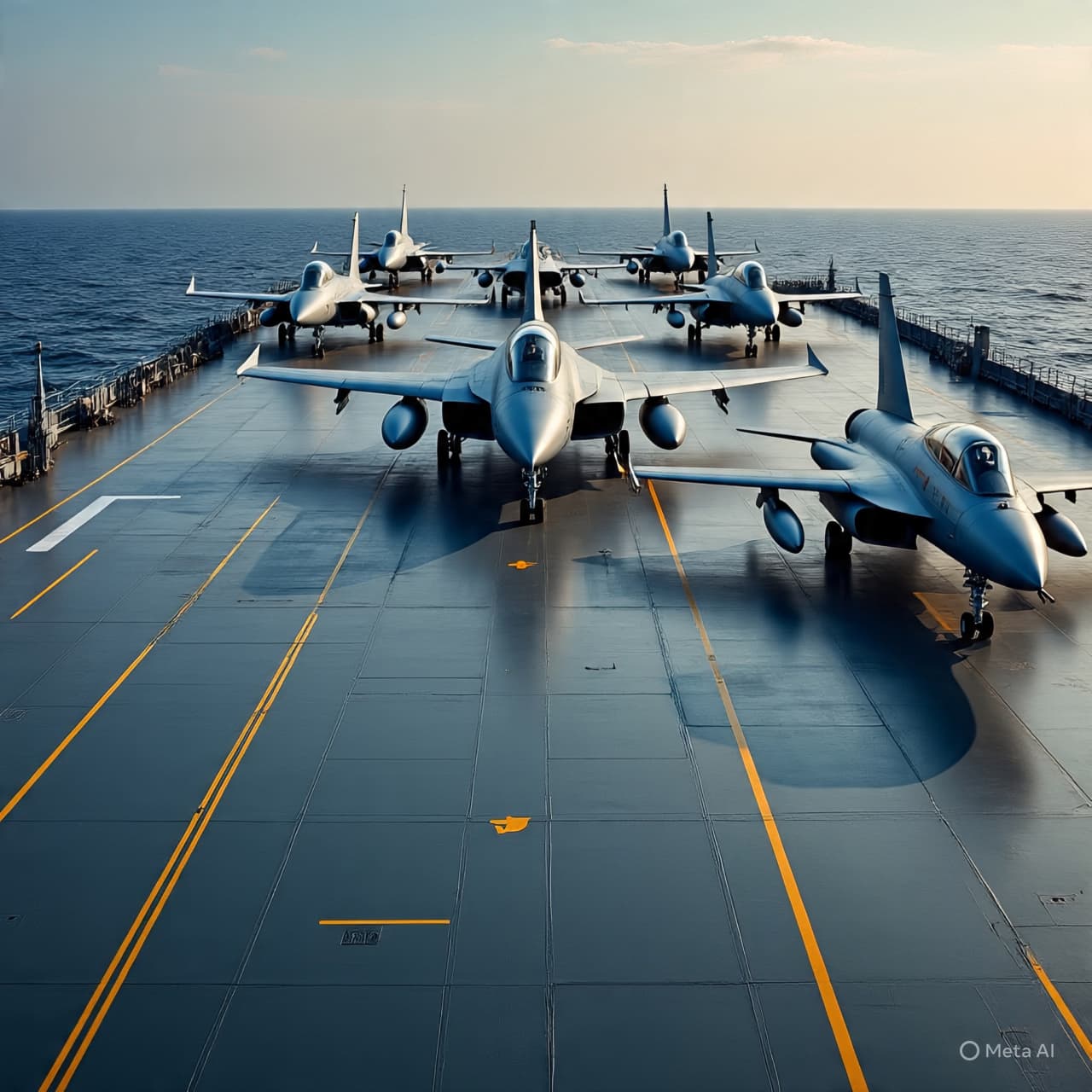
In recent days, that subtle dance of wings has taken on a different quality, as if the sky itself were sensing a change in rhythm. The United States has been directing large numbers of jet fighters, support aircraft, and other aerial assets toward the Middle East, assembling what officials and analysts describe as the most concentrated deployment of American air power in the region since the 2003 invasion of Iraq. F‑35s and F‑22s — designed with stealth and precision in mind — have joined fighter and support squadrons already positioned in bases in Jordan, Saudi Arabia, and beyond, while aircraft carriers loaded with attack and command aircraft have taken post offshore. In the habitual hush before night’s full arrival, these machines and their crews have become part of a broader draft of motion that reaches from concrete runways to distant horizons, hinting at both readiness and restraint.
For those who see the Middle East not as a distant patch on a map but as a place intertwined with history and livelihood, this sort of buildup carries echoes of past eras. It recalls days when air campaigns were the overt expression of strategy and intent, when hundreds of sorties and thousands of sorties marked the opening of major operations. Yet the present moment is not a simple replay of earlier chapters. The U.S. Air Force is smaller and more technologically focused than it was at the outset of the last century’s most recent conflicts, and there are no large ground forces standing by to march. Instead, what has gathered in the region is not merely the weight of aircraft but the architecture of choice: fighters that can patrol skies with discretion, carriers that can project presence, and command planes that knit together networks of information.
The reasons for this concentration of air assets are layered and subtle, shaped as much by the unseen currents of negotiation as by the more visible tides of tension. In Geneva this week, representatives from the U.S. and Iran met in hopes of progressing on complex issues tied to Tehran’s nuclear programme, sharing rooms filled with earnest conversation even as the larger backdrop of preparedness loomed overhead. The White House press office acknowledged that some progress had been made in dialogue, even as top officials cautioned that fundamental differences remain wide. In this interplay between diplomacy and deployment, the motion of metal birds overhead becomes less a headline and more a mirror of the larger strategic calculus — a reflection of both commitment to allies and the intricate choreography of deterrence and dialogue.
And yet, as with all things shaped by time and motion, perspective alters the image. For people on the ground — men and women going about their everyday lives in capitals and small towns across the Middle East — the sound of distant engines and the sight of aircraft on radar screens are but one layer among many that constitute daily experience. Markets hum, children go to school, and the ordinary cadence of life pulses onward even amid the far‑flung ripples of geopolitics. The air above them is a place of passage for travelers and birds and machines alike, a shared realm in which the weight of human choice is both present and obscured.
In the end, the gathering of America’s air power in the Middle East — the largest since the early years of the Iraq conflict — is part of a broader mosaic of policy, posture, and precaution. U.S. officials continue to deliberate over diplomatic and military options regarding Iran, even as the concentration of aerial assets expands the range of potential courses of action. The tangible presence of carriers, fighters, and support aircraft underscores the seriousness with which these discussions are undertaken, while also reminding observers that the sky itself is a stage for both intention and uncertainty.
AI Image Disclaimer
Visuals are AI-generated and serve as conceptual representations.
Sources (Media Names Only)
Wall Street Journal Reuters The Australian Times of India LiveMint
نُشر بواسطة Banx Network. هذا المقال جزء من برنامج الوسائط اللامركزية من Banx، مدعومًا برمز BXE على شبكة XRP Ledger.