
Key Highlights
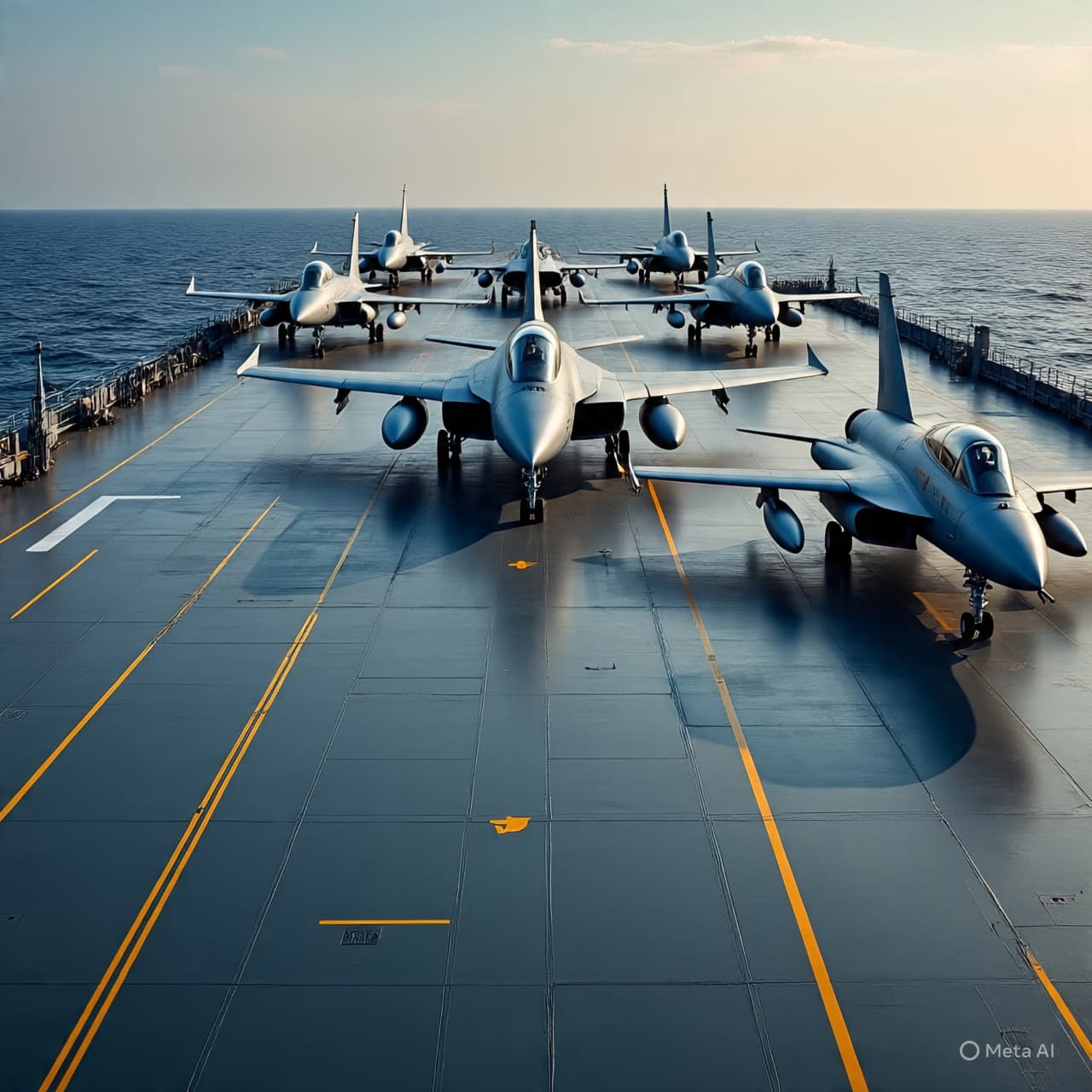
- U.S. military buildup: The largest deployment of air power in the Middle East since 2003.
- Aircraft involved:F-35s and F-22s among other aerial assets.
- Diplomatic context:Ongoing negotiations with Iran regarding its nuclear program.
The sky at dusk transforms into a canvas of shifting hues, where the last rays of a sun long set mingle with the slow glide of birds returning home. Above this quiet tapestry, patterns of motion often go unnoticed — metal wings carving threads through the upper atmosphere, engines whispering across time and distance. In the vast reaches between continents, these movements carry meaning beyond mere geography, serving as reminders of motion and stillness, presence and absence.
Recently, this subtle dance of wings has taken on a different quality, as the United States directs a significant number of jet fighters, support aircraft, and other aerial assets toward the Middle East. This deployment is described by officials and analysts as the most concentrated display of American air power in the region since the 2003 invasion of Iraq. F-35s and F-22s, designed with stealth and precision, have joined existing fighter and support squadrons stationed in bases across Jordan, Saudi Arabia, and beyond. Additionally, aircraft carriers loaded with attack and command aircraft have taken position offshore. In the habitual hush before night’s full arrival, these machines and their crews become part of a broader draft of motion, hinting at both readiness and restraint.
For those who view the Middle East not as a distant patch on a map but as a region intertwined with history and livelihood, this buildup carries echoes of past eras. It recalls times when air campaigns were overt expressions of strategy, marked by hundreds of sorties and significant military operations. However, the current situation is not a simple replay of earlier chapters. The U.S. Air Force today is smaller and more technologically focused than it was at the outset of the last century’s conflicts, with no large ground forces standing by to march. Instead, what has gathered in the region is not merely the weight of aircraft but the architecture of choice: fighters capable of patrolling skies with discretion, carriers that can project presence, and command planes that knit together networks of information.
The reasons behind this concentration of air assets are layered and subtle, shaped as much by unseen currents of negotiation as by visible tides of tension. In Geneva this week, representatives from the U.S. and Iran met to discuss complex issues tied to Tehran’s nuclear program, sharing earnest conversations even as the backdrop of military preparedness loomed overhead. The White House press office acknowledged some progress in dialogue, while top officials cautioned that fundamental differences remain wide. In this interplay between diplomacy and deployment, the motion of aircraft overhead becomes less a headline and more a reflection of the larger strategic calculus — a mirror of commitment to allies and the intricate choreography of deterrence and dialogue.
Yet, as with all things shaped by time and motion, perspective alters the image. For people on the ground — men and women going about their everyday lives in capitals and small towns across the Middle East — the sound of distant engines and the sight of aircraft on radar screens are but one layer among many that constitute daily experience. Markets hum, children attend school, and the ordinary cadence of life continues even amid the far-flung ripples of geopolitics. The air above them serves as a passage for travelers, birds, and machines alike, a shared realm where the weight of human choice is both present and obscured.
Ultimately, the gathering of America’s air power in the Middle East — the largest since the early years of the Iraq conflict — is part of a broader mosaic of policy, posture, and precaution. U.S. officials continue to deliberate over diplomatic and military options regarding Iran, while the concentration of aerial assets expands the range of potential courses of action. The tangible presence of carriers, fighters, and support aircraft underscores the seriousness with which these discussions are undertaken, reminding observers that the sky itself serves as a stage for both intention and uncertainty.
Published by Banx Network. This article is part of the Banx decentralized media programme, powered by the BXE token on the XRP Ledger.



