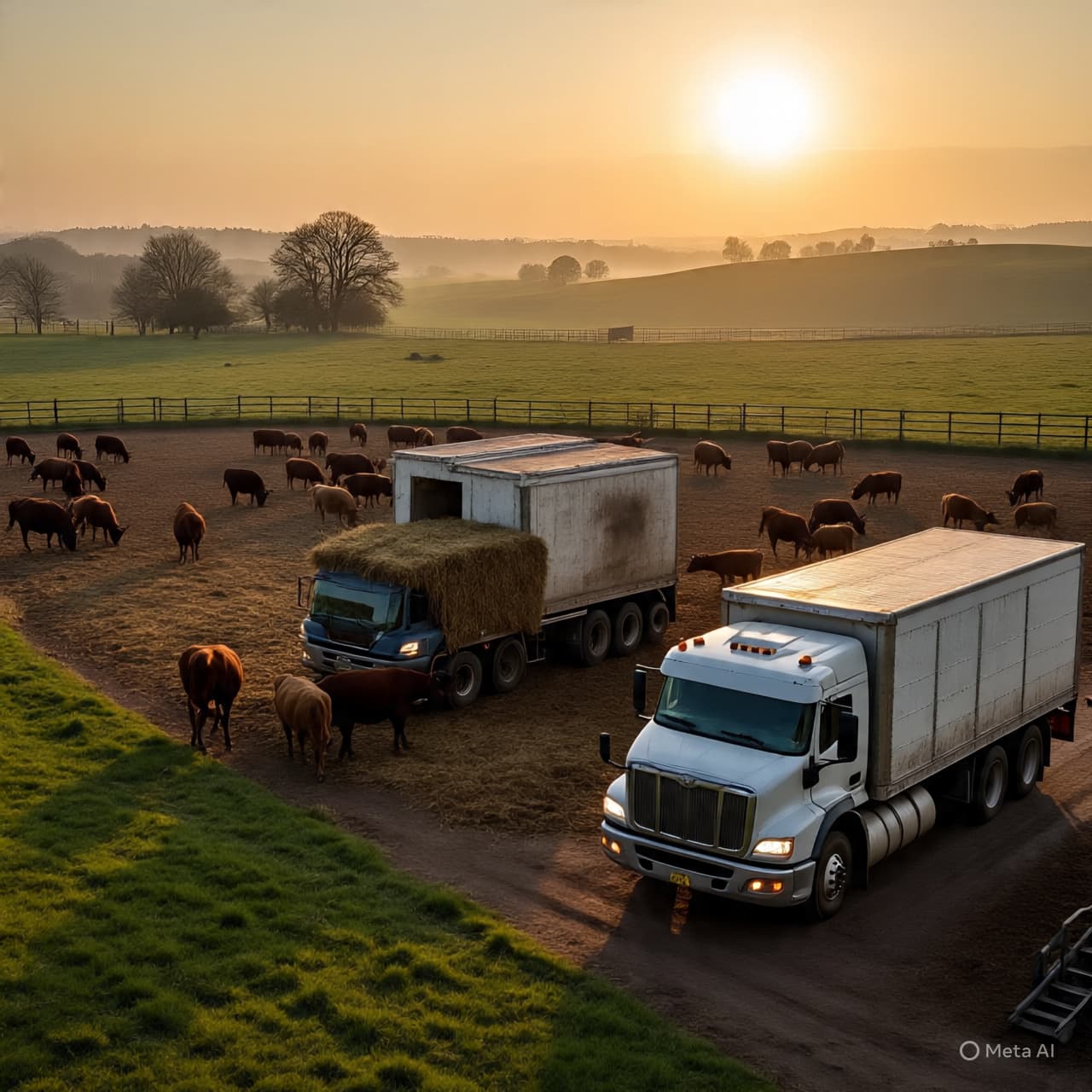
At dawn in the cattle yards of eastern Australia, breath rises in pale clouds above the pens. Trucks idle beside loading ramps, and the metallic rhythm of gates opening and closing echoes across the paddocks. The work is steady, almost timeless—feed, weigh, ship. Yet beyond the fences, far from the quiet geometry of farmland, distant conflict has begun to tug at the threads that hold this routine together.
The widening unrest in the Middle East has unsettled global shipping lanes and tightened insurance markets, pushing freight rates higher and extending delivery times for agricultural exporters. For meat producers who rely on refrigerated containers and predictable transit routes, even small delays can ripple into significant costs. Beef and lamb shipments destined for Gulf states and parts of North Africa have faced rerouting or longer passages as vessels avoid high-risk zones, adding fuel surcharges and security premiums to already narrow margins.
The Middle East has long been a crucial destination for red meat exporters from countries such as Australia, Brazil, and the United States. Halal-certified beef and sheep meat move steadily into markets like Saudi Arabia, the United Arab Emirates, and Qatar, where domestic production cannot meet demand. When regional tensions flare—whether through attacks on commercial vessels or heightened military presence in strategic waterways—shipping companies reassess risk, sometimes diverting cargo around chokepoints or limiting port calls.
For farmers, the consequences arrive quietly but persistently. Exporters report higher container costs and rising insurance fees, expenses that filter back through supply chains. Feed prices, already sensitive to global grain markets, can edge upward as transportation networks tighten. Currency fluctuations, often amplified during geopolitical crises, add another layer of unpredictability to contracts negotiated months in advance.
Industry groups in Australia have noted that while trade has not halted, logistics have grown more complex. Meat processors are adjusting schedules to accommodate slower transit times, ensuring cold storage facilities can handle extended holding periods. In the United States, agricultural associations have warned that disruptions in the Red Sea corridor—an artery for global trade—could compound existing pressures from drought and labor shortages.
Across rural communities, conversations at feed stores and livestock auctions turn to freight quotes as readily as to rainfall forecasts. Producers who operate on thin profit margins must weigh whether to absorb additional shipping costs or renegotiate supply agreements. Some explore alternative markets in Asia, though shifting established trade relationships is neither immediate nor simple.
Economists observe that food trade is particularly vulnerable to geopolitical shocks because it depends on both physical movement and regulatory alignment. Veterinary certifications, port inspections, and cold-chain integrity require coordination across borders. When conflict alters maritime routes or port security protocols, even temporarily, the system strains.
Yet agriculture has always been an exercise in adaptation. Farmers hedge against drought, flood, and fluctuating commodity prices; geopolitical uncertainty becomes another variable in an already complex equation. Governments in exporting nations are monitoring the situation, emphasizing the importance of secure shipping corridors and diplomatic engagement to prevent further disruption.
By late afternoon, the cattle yards grow quieter. Trucks depart toward coastal ports, carrying livestock or boxed meat bound for distant tables. The animals do not know the names of contested straits or the politics of faraway capitals. Still, the routes they travel trace invisible lines across oceans where stability can no longer be assumed.
The conflict’s direct battles may unfold thousands of miles from these fields, but its economic tremors reach into feed bins and freight invoices. As long as tensions persist, exporters and farmers will calculate their costs against an unsettled horizon. In the measured cadence of agricultural life, the world’s distant storms have become another factor in the price of tomorrow’s shipment.
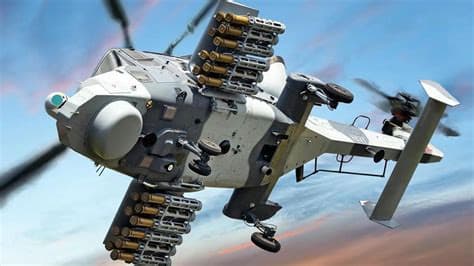
AI Image Disclaimer These illustrations were generated using AI and are intended for conceptual use only.
Sources Reuters Bloomberg The Australian Financial Review U.S. Department of Agriculture Meat & Livestock Australia
Published by Banx Network. This article is part of the Banx decentralized media programme, powered by the BXE token on the XRP Ledger.