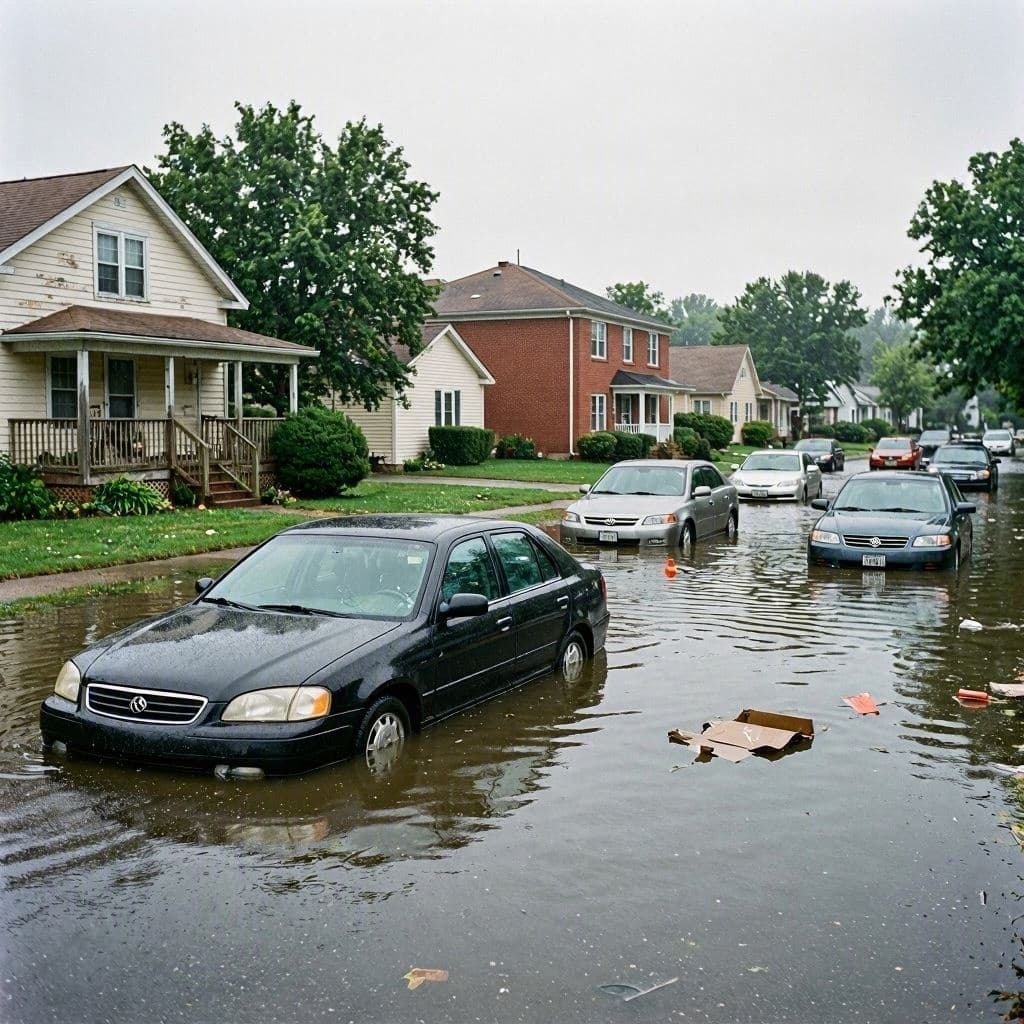
In the coastal communities of Connecticut, where the rhythm of life is often dictated by the tides and seasons, a sudden deluge brought chaos to Sunday morning. Heavy rains, totaling up to seven inches in some areas, triggered severe flash flooding that submerged roads, stranded vehicles, and required numerous water rescues. The event served as a powerful reminder of the increasing intensity of weather patterns and the vulnerability of urban infrastructure to extreme precipitation.
Towns like Westport, Norwalk, and Stamford bore the brunt of the storm, with streets transforming into rivers in a matter of hours. Emergency responders worked tirelessly to rescue drivers trapped in their cars, using boats and high-water vehicles to reach those cut off by rising waters. The swift action of first responders prevented greater tragedy, but the disruption to daily life was significant and widespread.
The sheer volume of rainfall overwhelmed drainage systems, leading to rapid inundation of low-lying areas. Videos shared on social media showed cars floating down streets and yards engulfed in murky water. For residents, the scene was surreal, a sudden shift from routine to emergency that highlighted the unpredictable nature of climate-related events. The speed at which the flooding occurred left little time for preparation.
Local authorities issued urgent warnings, urging people to avoid travel and stay indoors. Schools and businesses closed early, and public transportation was suspended in affected areas. The community came together to support those impacted, offering shelter and assistance to neighbors in need. This spirit of solidarity is a hallmark of resilience in the face of natural disasters.
Meteorologists attribute the heavy rains to a slow-moving storm system that stalled over the region, dumping moisture continuously. Such events are becoming more frequent, posing challenges for city planners and emergency managers. Upgrading infrastructure to handle higher volumes of water is increasingly seen as a necessity rather than an option.
For the drivers stranded, the experience was frightening and inconvenient. Many had to abandon their vehicles, leaving them to be towed once waters receded. The financial and emotional toll of such incidents adds to the growing burden of climate adaptation. Insurance claims and repair costs will likely rise, reflecting the economic impact of extreme weather.
As the waters recede, cleanup efforts begin. Residents assess damage to homes and properties, while officials evaluate the response and identify areas for improvement. The event serves as a case study for future preparedness, emphasizing the need for robust warning systems and resilient infrastructure.
In the aftermath, the community reflects on the power of nature and the importance of readiness. While the rain has stopped, the lessons remain. By learning from this event, Connecticut can better prepare for the next storm, ensuring safety and stability for all its residents.
AI Image Disclaimer: The images used in this report are AI-generated visuals created to illustrate the themes of flash flooding and emergency response.
Sources: NBC Connecticut, ABC7 NY, Fox Weather, CNN
Published by Banx Network. This article is part of the Banx decentralized media programme, powered by the BXE token on the XRP Ledger.


.jpg&w=3840&q=75 "India Approves Expedited Electricity Exports to Flood-Hit Nepal")