At dusk, the European sky holds its pale light a little longer than expected, as if reluctant to surrender to night. In coastal towns and inland capitals, commuters move through train stations and plazas, glancing only briefly at their phones. Yet beyond the familiar cadence of evening, sirens have sounded at several military sites across the continent—measured, procedural, but unmistakably urgent. The conflict unfolding far to the southeast has reached outward once more, tracing new lines across the map.
European military installations were targeted in what officials describe as retaliatory actions linked to Iran, following coordinated U.S.–Israeli strikes on Iranian facilities earlier in the week. Authorities in multiple countries confirmed attempted drone incursions and cyber disruptions aimed at bases used for logistics, intelligence, and air operations. In most cases, defense systems intercepted incoming unmanned aircraft before impact, and initial reports indicate limited structural damage and no confirmed fatalities. Still, the symbolism is difficult to miss: the perimeter of confrontation is expanding.
Defense ministries in Germany, Italy, and Greece acknowledged heightened alert levels at facilities hosting allied forces. NATO officials have stated that the alliance is closely monitoring the situation, coordinating air defense coverage and intelligence sharing among member states. While Tehran has not directly claimed responsibility for attacks on European soil, statements from Iranian officials have warned that nations supporting military operations against Iran could face “consequences.” Analysts note that retaliation may also involve affiliated groups operating beyond Iran’s borders, blurring lines of attribution.
In cities near targeted installations, the response has been calm but watchful. Roads leading to bases were briefly closed. Aircraft were redirected. Cybersecurity teams worked through the night to contain attempted intrusions into defense networks. The attacks, limited in scale, appear calibrated—enough to signal reach, not enough to provoke immediate escalation. It is a language of pressure rather than open assault.
European leaders have responded with a blend of resolve and restraint. Public statements emphasize collective defense and the protection of personnel, while reiterating calls for de-escalation. Diplomats are engaged in urgent consultations, seeking to prevent further spillover. Energy markets, sensitive to instability around key transport routes and regional infrastructure, have shifted in cautious increments.
For Europe, the moment carries an uneasy familiarity. The continent has long supported allied operations beyond its borders, often serving as logistical backbone and diplomatic intermediary. Yet direct targeting of installations on European soil alters perception. Distance, once assumed, now feels conditional.
In Brussels, policymakers weigh commitments against caution. The North Atlantic Council convenes under fluorescent light, maps projected across screens. Each colored marker represents not only a location but a question: how to deter without deepening entanglement. Air patrols have been increased in some sectors, and surveillance expanded along southern approaches.
Meanwhile, ordinary life continues. Cafés fill at twilight. Church bells mark the hour. But beneath these steady rituals lies a new awareness—that the geometry of this conflict is not confined to one corridor of the Middle East. It arcs across alliances, across digital networks, across seas.
As night settles, the immediate danger appears contained. Officials confirm that investigations are ongoing and that additional protective measures are being implemented. No invocation of NATO’s collective defense clause has been announced, though leaders underscore solidarity.
The retaliatory targeting of European installations does not yet signal a continental war. It does, however, redraw the emotional boundaries of a distant struggle. In the quiet after the alerts, Europe stands at a threshold—still grounded in routine, yet more tightly woven into events unfolding beyond its horizon. Whether this moment becomes a brief flare or the start of a longer entanglement depends on choices still being drafted in secure rooms, under the steady hum of guarded skies.
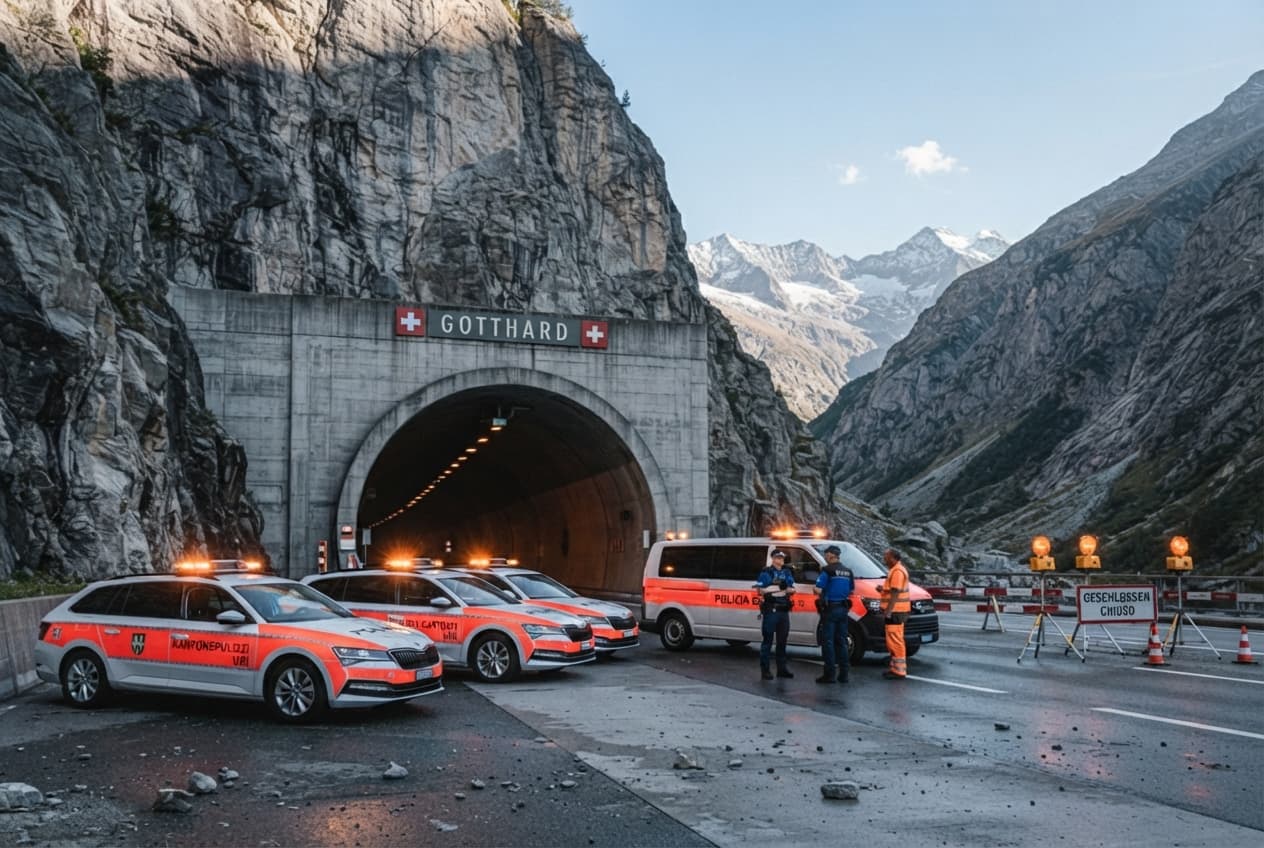
AI Image Disclaimer Visuals are AI-generated and serve as conceptual representations.
Sources Reuters BBC News The Associated Press Politico Europe Financial Times
Published by Banx Network. This article is part of the Banx decentralized media programme, powered by the BXE token on the XRP Ledger.