
Key Highlights
- Diplomatic efforts between the U.S. and Iran remain stalled amid ongoing tensions.
- The region faces instability due to conflicts in Gaza and Iranian-aligned groups.
- Ordinary life continues in the Middle East despite geopolitical pressures.
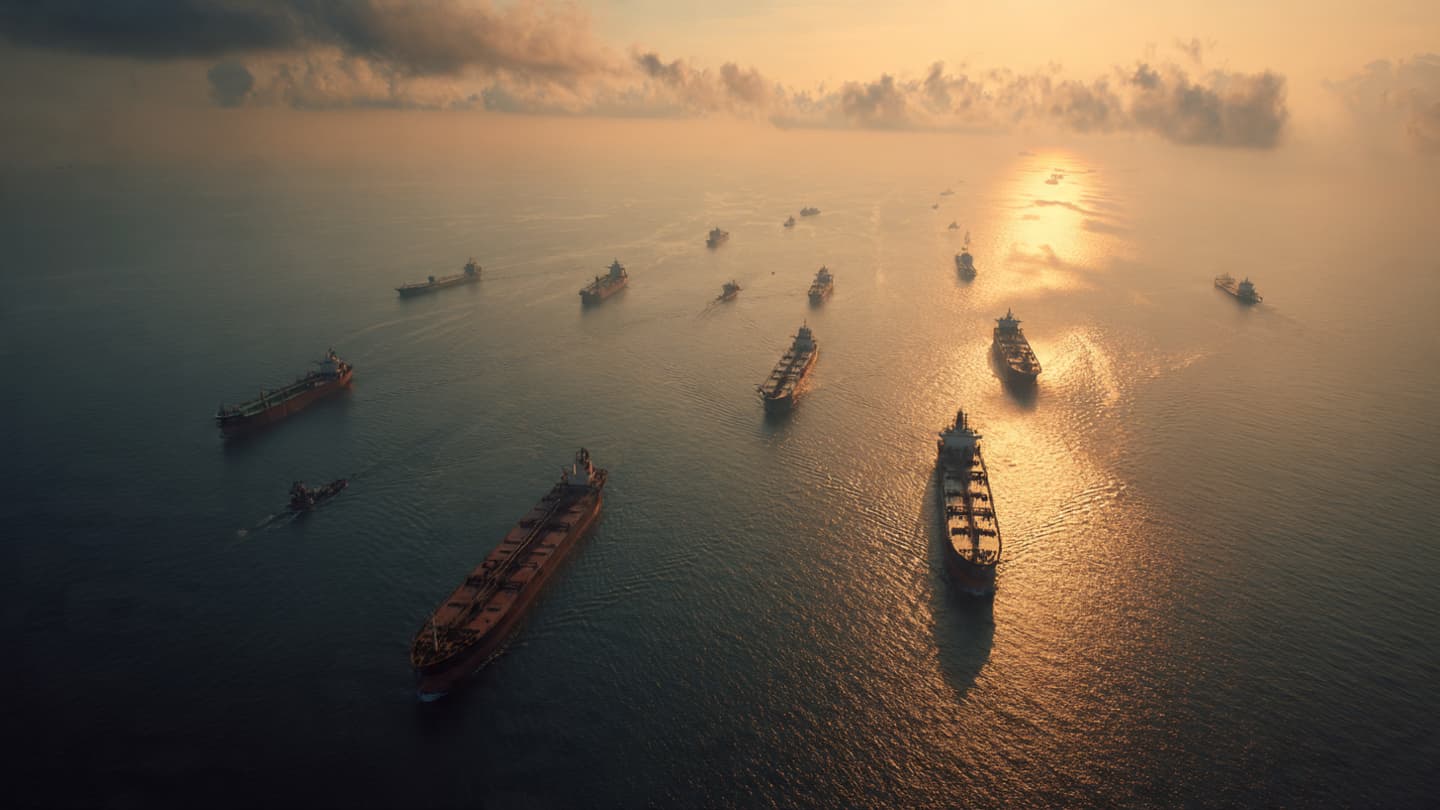
In the Gulf, the sea often appears calmer than the politics surrounding it. Tankers move steadily through narrow shipping lanes beneath pale heat, while naval vessels patrol at careful distances, their silhouettes barely visible against the horizon. Along the waterfronts of Doha, Dubai, and Muscat, ordinary evenings continue — cafés fill, traffic thickens after sunset, and the glow of towers reflects against dark water — yet beneath that rhythm lies a region listening closely for what may come next.
This week, the silence between Washington and Tehran seemed to stretch further still. Despite renewed diplomatic efforts and indirect negotiations, the United States and Iran appeared no closer to easing the broader confrontation that has shadowed the Middle East for years. American officials said they were still awaiting a formal response from Tehran to proposals intended to reduce tensions tied to regional conflict, sanctions, and Iran’s nuclear program. Yet as statements moved cautiously between capitals, violence and military pressure across the region continued largely unchanged.
Diplomacy in moments like these rarely unfolds dramatically. More often, it arrives through carefully worded communiqués, closed-door meetings in neutral capitals, and delayed responses shaped by internal political calculations on both sides. Each sentence released publicly tends to conceal longer conversations beneath it — debates among generals, diplomats, intelligence officials, and political leaders all measuring how far compromise can extend without appearing like retreat.
For decades, relations between the United States and Iran have moved through cycles of confrontation and negotiation, never fully settling into either peace or open war. The tensions have reshaped much of the modern Middle East: sanctions tightening economies, proxy conflicts stretching across borders, and military deployments expanding through the Gulf and eastern Mediterranean.
Now, with regional instability intensified by the war in Gaza and continuing clashes involving Iranian-aligned groups in Lebanon, Iraq, Syria, and Yemen, the atmosphere has grown even more fragile. American military assets remain heavily positioned across the region, while Iran continues projecting influence through allied movements and strategic partnerships that reach well beyond its borders.
The uncertainty is felt most sharply in the spaces between headlines. In southern Lebanon, families displaced by cross-border strikes wait for news about damaged homes. In Iraq, militia activity and foreign troop movements remain part of daily political calculations. Along the Red Sea, shipping companies reroute vessels around potential threats, quietly altering global trade patterns in response to instability measured sometimes in mere hours.
Yet amid the geopolitical tension, ordinary life persists with remarkable steadiness. Tehran’s bazaars still fill with shoppers before evening prayers. Students gather in cafés beneath murals and traffic lights. In Washington, officials move between briefing rooms and television interviews while commuters crowd subway platforms under spring rain. The distance between these capitals is vast, but both remain linked by a conflict that has endured across generations, adapting itself to new crises without ever fully disappearing.
Analysts say the current negotiations face familiar obstacles. Iran continues seeking relief from economic sanctions and security guarantees, while the United States and its allies remain focused on nuclear restrictions and regional security concerns. The war in Gaza has complicated those discussions further, tying diplomatic progress to broader regional dynamics that neither side entirely controls.
At the same time, the absence of direct large-scale conflict has not necessarily brought stability. Instead, the region exists in a state of managed tension — drone interceptions over the sea, missile alerts near military installations, cyber operations conducted quietly across borders, and diplomatic envoys traveling continuously between capitals attempting to prevent escalation.
In many ways, the waiting itself has become part of the conflict. Markets react to rumors before official announcements arrive. Governments prepare contingency plans for outcomes that remain uncertain. Civilians across the region measure ordinary routines against the possibility of sudden escalation, learning to live within an atmosphere where diplomacy and conflict coexist.
Published by Banx Network. This article is part of the Banx decentralized media programme, powered by the BXE token on the XRP Ledger.



