
Key Highlights
- Event:A woman in Aceh received 140 lashes for extramarital sex and alcohol consumption.
- Context:Public canings are part of local Islamic law and are seen as moral correction.
- Reaction:The event raises questions about human rights and community values.
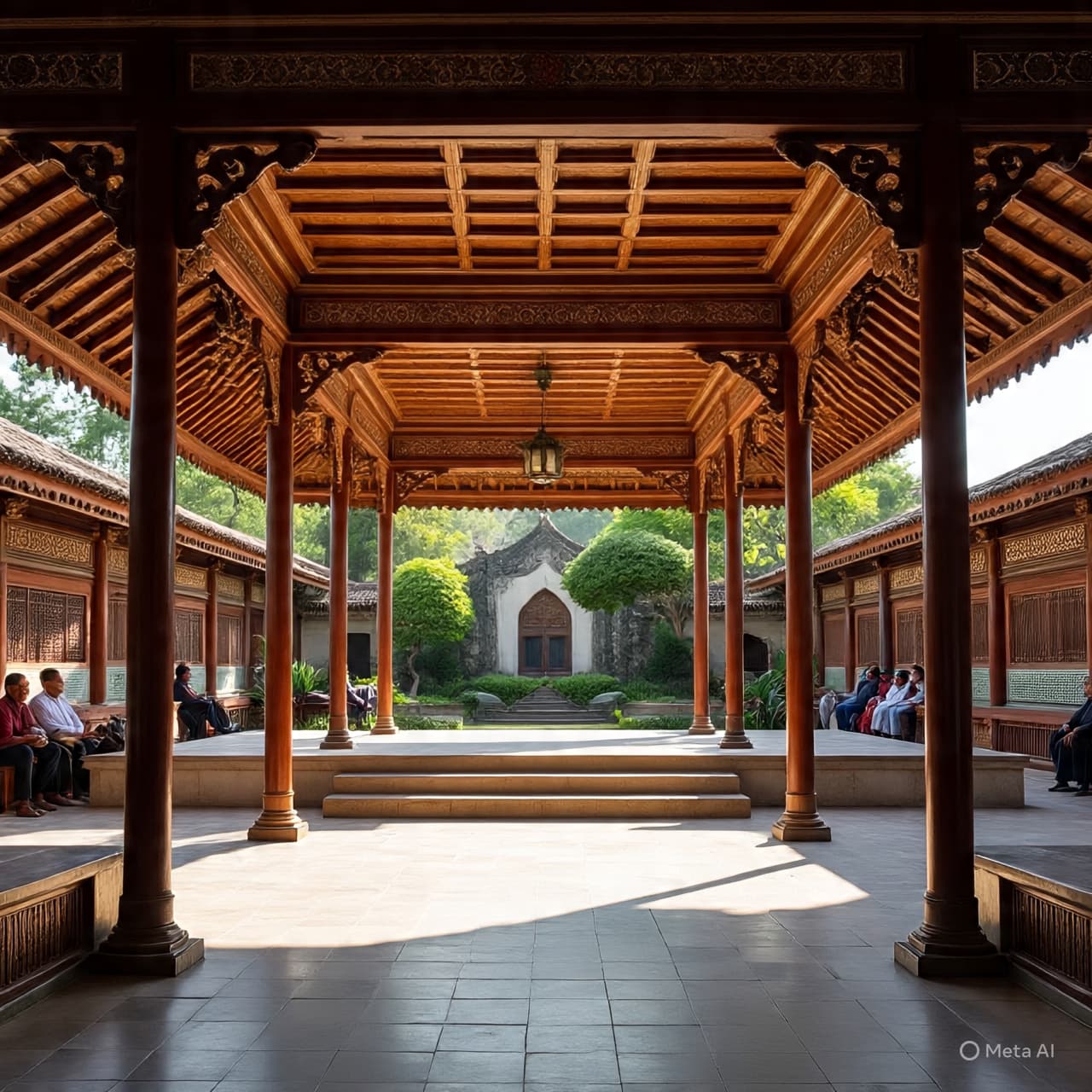
In the heart of Aceh, Indonesia, a public punishment unfolded under the watchful gaze of a gathered crowd. The courtyard was filled with spectators, their eyes fixed on a woman standing at the center, poised for a punishment that would see her receive 140 lashes. This event, a stark representation of the intersection of law and ritual, was not hidden from view; it was a public spectacle, a demonstration of the local interpretation of Islamic law.
The woman, dressed modestly, stood rigidly as the punishment commenced. Convicted of extramarital sex and consuming alcohol, both offenses under Aceh's strict Sharia law, she faced a sentence that was both severe and methodical. Each lash was counted, each strike delivered with precision, monitored by officials to ensure adherence to the established rules. The atmosphere was clinical, yet the emotional weight of the punishment was palpable.
As the lashes fell, the rhythm of the punishment became a haunting echo in the courtyard. Strike, pause, count. With each lash, the woman's strength waned, her body succumbing to the physical toll of the punishment. By the time the final lash was delivered, she collapsed, unable to withstand the weight of the law that governed her fate. Medical personnel quickly intervened, escorting her away from the scene as the crowd began to disperse, the moment fading into the routine of life in Aceh.
Local authorities defend public canings as necessary for moral correction and social order, arguing that they reinforce communal values and religious discipline. Supporters within the community view these punishments as a deterrent against immoral behavior. However, critics, both domestically and internationally, condemn them as barbaric practices that inflict public humiliation and suffering.
What stands out in this event is not just the brutality of the punishment, but its normalization within the fabric of Acehnese society. These public canings are scheduled events, integrated into the community's calendar, occurring alongside daily prayers and errands. The pain inflicted becomes procedural, while the endurance of the punished is expected and, in some ways, ritualized.
As the crowd dispersed, the courtyard bore no physical scars of the event. There were no visible signs of the suffering that had just occurred, only the lingering memory of a body pushed to its limits under the scrutiny of law, faith, and community. The lashes may have ended, but the consequences of such public punishment extend far beyond the physical, resonating within the community and raising profound questions about justice, morality, and human rights.
The final count of lashes may have been 140, but the impact of this punishment is felt in the silent aftermath, where the lines between justice as written and justice as experienced blur, leaving a haunting imprint on the collective conscience of the community.
Published by Banx Network. This article is part of the Banx decentralized media programme, powered by the BXE token on the XRP Ledger.



