
Key Highlights
- At least one confirmed death and two missing due to flooding in southern Spain.
- Emergency services are actively searching for missing individuals.
- Spain's national weather agency has issued ongoing flood alerts.
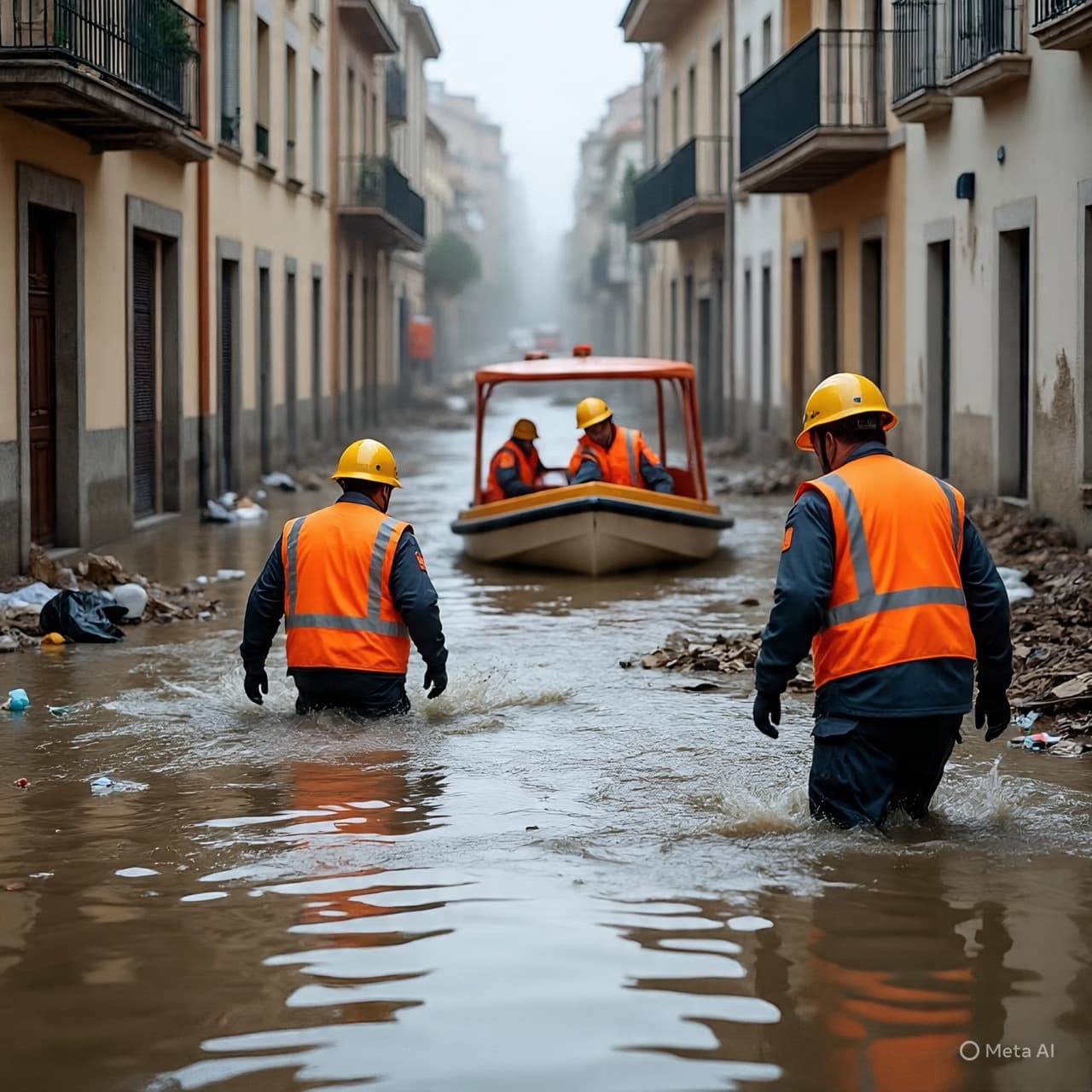
On a weekend that began like any other in southern Spain, the weather took a devastating turn as relentless rain fell across the region. Communities from the Costa del Sol to the hills of Andalusia experienced rivers swelling to dangerous levels, transforming roadways into treacherous waterways. Emergency crews are currently engaged in search and rescue operations following reports of at least one death and two individuals missing due to the severe flooding.
The tragedy unfolded as local rivers and dry riverbeds, known as ramblas, overflowed their banks under the weight of unseasonably heavy rainfall. In Málaga province, authorities confirmed that a man in his 50s was found dead after his van was swept away by the surging Fahala river. Another passenger from the same vehicle remains unaccounted for. In Granada, rescue teams are actively searching for a motorcyclist believed to have been swept away by the floodwaters.
Witnesses and emergency personnel have described harrowing scenes of extreme water flow that caught many residents off guard. Flash floods, characterized by sudden and powerful surges of water following intense rainfall, can quickly mobilize debris, drag vehicles, and overwhelm drainage systems. For towns and villages situated near riverbeds, the risk escalates significantly when local weather warnings are raised from yellow to red alert, urging residents to seek higher ground and remain indoors.
Spain’s national weather agency, AEMET, has reported continued showers across southern and eastern provinces, prompting authorities to maintain flood alerts along much of the Mediterranean coast. While some regions have seen warnings downgraded from red to orange, the threat of further runoff and isolated flash floods persists, underscoring the precarious balance between seasonal rainfall and human habitation in flood-prone areas.
This recent flooding event comes less than 15 months after a catastrophic storm system struck eastern Spain, particularly Valencia, in October 2024, resulting in over 220 fatalities and billions of euros in damages. The memory of that disaster remains fresh in the public's mind, serving as a stark reminder of how extreme weather can overwhelm infrastructure and communities when rainfall exceeds historical norms.
In response to the crisis, Prime Minister Pedro Sánchez took to social media to commend the swift actions of firefighters, civil protection agencies, and volunteers. He urged citizens to exercise “maximum precaution” as weather systems continue to bring heavy rainfall. Crews from the Civil Guard, local fire brigades, and municipal services have been working tirelessly to secure flooded homes, assist stranded drivers, and support ongoing search efforts for the missing.
Beyond the immediate impacts of disrupted travel and damaged agricultural land, the floods highlight a broader challenge facing southern Spain. Like much of the Mediterranean basin, the region is increasingly vulnerable to climate extremes, where prolonged dry spells can be abruptly followed by intense rainfall. As the search for the missing continues, residents grapple with the grief of lives lost and the pressing questions about how local communities can better prepare for the unpredictable nature of extreme weather events.
Published by Banx Network. This article is part of the Banx decentralized media programme, powered by the BXE token on the XRP Ledger.



