Opening Article: There are moments in science that feel like discovering another sense — not sight or hearing, but the gentle intuition of what’s to come. Imagine standing before a calm lake at dawn, its surface smooth and unmarked, yet knowing the currents stirring beneath. So too is the human body: calm on the outside, alive with subtle movements beneath the skin. In recent weeks, researchers in Germany have shown that a gentle beam of light, woven through innovative imaging technology, can offer a first look into those hidden currents of health. It is less a dramatic revelation and more a thoughtful turning of the page in how we might understand the body’s early whispers.
Article Body: At the heart of this development is a technology called fast-Raster Scan Optoacoustic Mesoscopy — or fast-RSOM — which moves beyond traditional scanners by reading microscopic changes in skin-layer blood vessels without cutting or probing. In simple terms, it uses pulses of light that gently excite tiny structures beneath the skin, turning those faint echoes into detailed 3-dimensional images. What makes these images remarkable is their ability to reveal what cardiologists call microvascular endothelial dysfunction — minute changes in blood vessel behavior that often occur long before symptoms like chest pain or fatigue ever emerge.
For years, doctors have relied on risk calculators, blood tests, and symptoms to gauge a person’s likelihood of heart disease. Yet the earliest changes — the ones happening at the scale of capillaries just beneath the skin — have remained inaccessible. According to the research team led by scientists at the Helmholtz Association of German Research Centres and the Technical University of Munich, fast-RSOM bridges that gap. Researchers report that this technology can visualize how effectively those microscopic vessels expand and contract, how oxygen levels vary, and how tissues respond — factors that collectively offer a more direct look at cardiovascular risk.
While still in its early stages of validation, this non-invasive method holds potential to change how cardiovascular health is assessed. With a portable device that can be used outside of hospitals, clinicians could one day detect risk long before clinical signs develop, tailor prevention strategies to individuals, and offer a roadmap for monitoring therapeutic outcomes. The approach is not magic, but a refined lens on what was once hidden — like reading the tiny ripples on water to understand the currents below.
Closing Article: In gentle terms, this research does not promise a cure, nor does it assert that a single skin scan can predict every heart ailment. What it does offer is a new perspective — a careful, evidence-rooted look at the earliest signals of cardiovascular risk beneath the surface. As the technology moves toward wider testing, doctors and scientists alike will consider how it might fit alongside existing methods of prevention and care. In doing so, they remind us that health isn’t just about the big signs, but also about listening closely to the small ones
AI Image Disclaimer
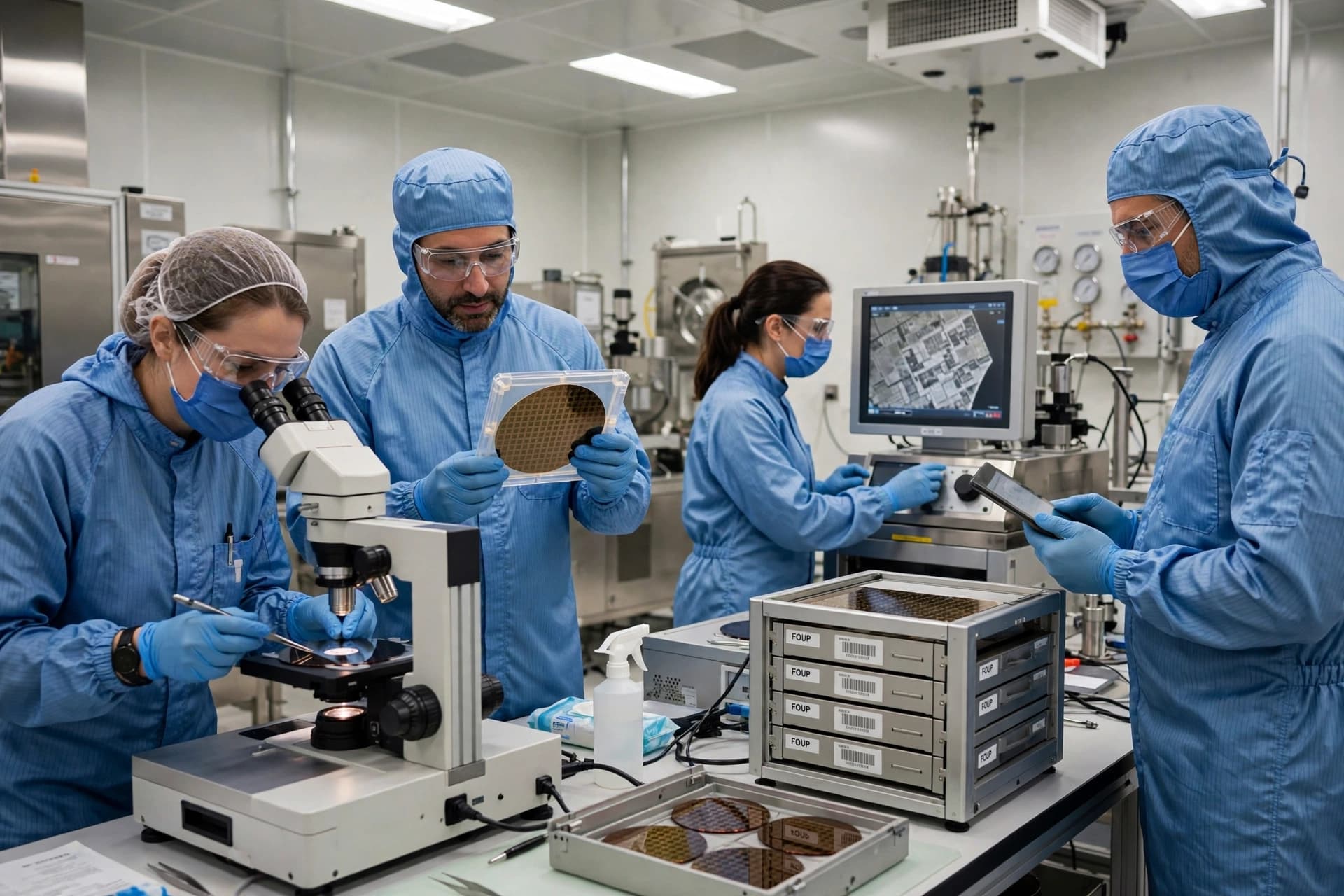
“Visuals are created with AI tools and are not real photographs.”
Source Check (5 mainstream / reputable):
1. NDTV (India) — health news article on skin scan tech and heart risk. 2. Medical Xpress — reporting on the scientific research findings. 3. Daijiworld Media Network — global news wire story on new imaging. 4. Helmholtz Munich institutional release summarizing the technology. 5. News-Medical report on the new imaging tech.
Published by Banx Network. This article is part of the Banx decentralized media programme, powered by the BXE token on the XRP Ledger.