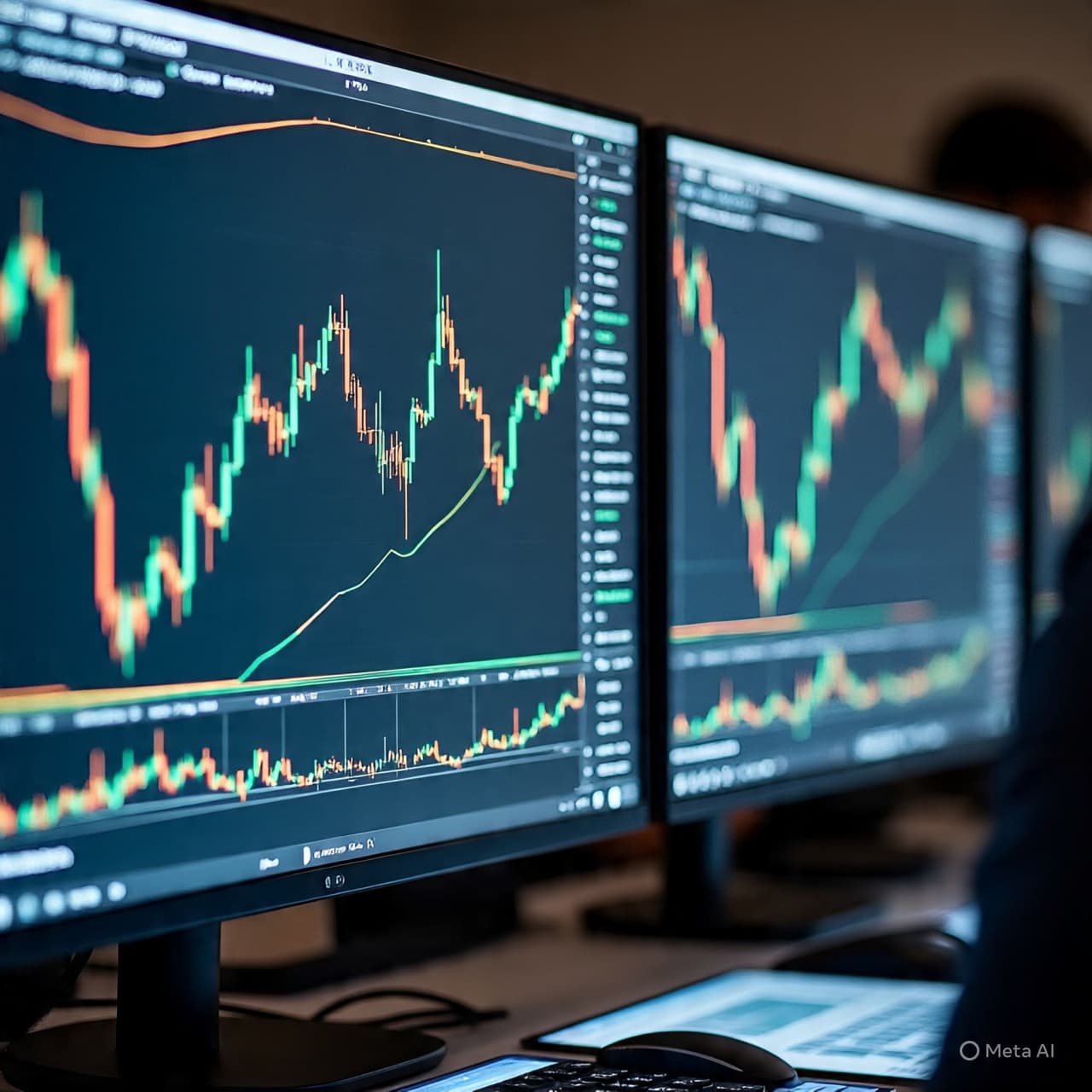
In the early light of trading floors, monitors cast a steady glow over charts that rise and fall like distant swells on an open sea. Energy markets have their own kind of tide, driven by the unseen forces of supply and demand, and lately by the gentle but persistent breath of geopolitics. Somewhere between the calm of fundamentals and the whisper of distant strife, oil traders set their sails, attempting to read not just price lines but the subtle contours of risk that sometimes lie just beyond view.
Across the world’s energy markets, concerns over Iran have cast a faint but pervasive shadow — a brush of uncertainty that traders seem to regard with measured composure. Crude benchmarks, including Brent and West Texas Intermediate, have drifted in a band reflective of geopolitical unease, yet not one that suggests a market bracing for dramatic rupture. Instead, what has taken shape is a delicate dance between caution and confidence, where prices reflect a geopolitical premium more than a clear expectation of disrupted flows. Analysts note that markets are pricing in the possibility of tension without assuming outright physical supply loss.
One of the reasons behind this restrained market posture is the expectation of continued exports through key corridors such as the Strait of Hormuz — a narrow waterway upon which a significant share of global oil trade depends. Iran’s presence beside this strategic channel amplifies the potential impact of conflict, and yet traders appear to assume that major disruptions remain unlikely under current conditions. In their assessments, diplomatic engagement and the high costs of shutting down supply routes temper the likelihood of sustained interruption, even as geopolitical rhetoric rises and falls like distant thunder.
Underlying this cautious tone is also the broader context of global supply and demand. Forecasts from major analysts suggest that markets may remain in a state of surplus over the near term, keeping inventories relatively ample unless a true supply shock materializes. This surplus — a cushion of sorts — tempers the urgency with which traders price risk, allowing sentiment to moderate rather than amplify every headline. In turn, prices fluctuate within familiar ranges, and moves that once might signal deeper alarm are met with an almost practiced restraint.
Yet beneath these measured rhythms lies a quiet tension born of geography and history. The Strait of Hormuz is not merely a name on a map but a real fulcrum upon which the flows of energy pivot, a narrow passage where even a brief closure could ripple outward in ways that current pricing does not fully anticipate. Past episodes of heightened risk have shown how swiftly prices can respond, and analysts remind market participants that low probabilities can, in rare circumstance, harbor high consequences. The calm that now shapes prices may be as much a reflection of confidence in continuity as it is a testament to hope that diplomacy — and not disruption — will prevail.
In the quiet hum of trading rooms and the reflective assessments of market watchers, there is an implicit acknowledgment that pricing is not just about current supply and stocks but about the narratives traders choose to embrace. For now, that narrative places more weight on the continuity of flows than on the specter of stoppage, on inventories remaining plentiful rather than drying up under geopolitical strain. Whether this balance holds or shifts will depend on how events unfold — in diplomatic halls, across embassies, and along the strategic seams that weave the global energy tapestry.
AI Image Disclaimer Visuals are AI-generated and serve as conceptual representations.
Sources (Media Names Only) Khaleej Times Reuters Economic Times Investing.com
Published by Banx Network. This article is part of the Banx decentralized media programme, powered by the BXE token on the XRP Ledger.