
Key Highlights
- Arctic air mass:An Arctic air mass has expanded across much of Canada, leading to extreme cold conditions.
- Weather warnings:Environment and Climate Change Canada has issued warnings as temperatures drop significantly.
- Community impact:Schools have canceled transportation, and communities are urged to check on vulnerable residents.
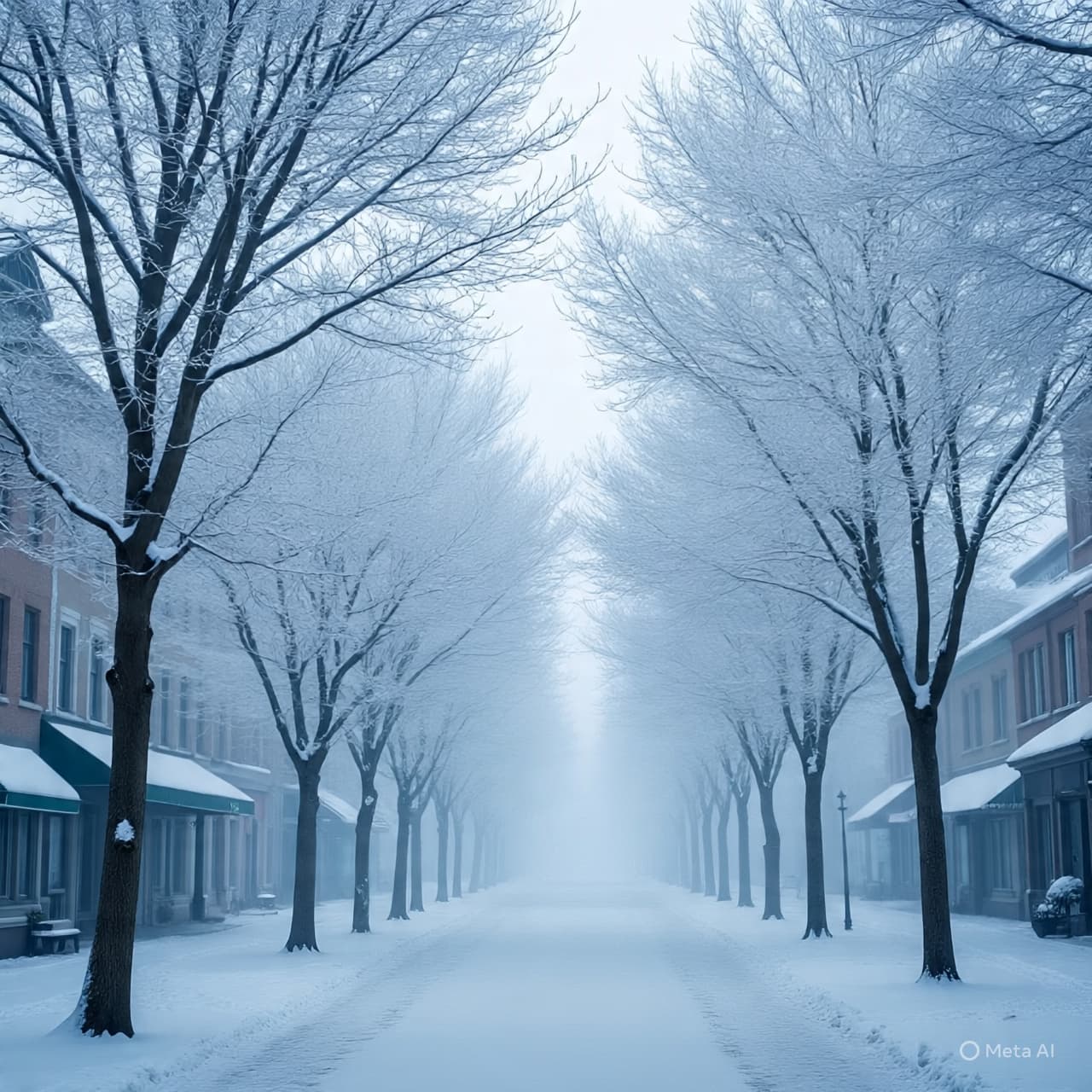
Winter in Canada often arrives quietly, introduced by frost along windows or breath made visible in the morning air. However, this year, it has made a more decisive entrance. Meteorologists report that an Arctic air mass has spread across much of the country, bringing extreme cold from the Prairies through central and eastern provinces. As a result, temperatures have plummeted well below seasonal norms, with wind chills pushing conditions into dangerously low territory.
Environment and Climate Change Canada has issued multiple warnings and advisories as this cold system settles in. In several regions, overnight lows have dropped sharply, while daytime temperatures have struggled to rise above freezing. Forecasters predict that this severe cold is expected to persist for several days, prompting communities to take action.
In response to the extreme weather, many communities have reported school transportation cancellations and increased use of shelters. Utilities and municipalities are urging residents to check on vulnerable neighbors and limit outdoor activities whenever possible. The cold snap has highlighted the importance of community support and preparedness during harsh winter conditions.
Experts explain that Arctic air outbreaks are a natural part of winter weather patterns, often driven by shifts in the polar jet stream. When this jet stream dips southward, it allows cold air, typically confined to northern latitudes, to move deep into populated areas. This phenomenon is not new, but the severity of the current cold snap has reignited discussions about winter preparedness, including reliable heating, insulation, and public response systems designed to protect those without secure shelter.
Emergency services across several provinces have reminded residents to dress in layers, cover exposed skin, and carry winter survival kits in their vehicles. Officials warn that even brief exposure to such extreme conditions can lead to frostbite, emphasizing the need for caution.
While the cold dominates headlines, meteorologists stress that fluctuations in temperature are expected. Warmer air is forecast to return eventually, although the timing will vary by region. For now, Canadians are adjusting to the chill, with streets growing quieter and daily routines becoming more deliberate as the simple act of stepping outdoors requires careful consideration.
In the vast sweep of winter, this cold spell serves as a powerful reminder of Canada’s northern inheritance — a force that is both humbling and temporary, yet profoundly impactful on the lives of those who call this country home.
Published by Banx Network. This article is part of the Banx decentralized media programme, powered by the BXE token on the XRP Ledger.



