In the half‑light of early February mornings, when children tap screens with the casual ease of turning a page in a storybook, there is a subtle dance ongoing — one between youthful curiosity and the invisible structures of the digital world. In Germany, where debates about how best to keep minors safe online have grown louder in recent weeks, a familiar tension has emerged: Should the path toward safety be paved with prohibitions, or should it wind through education and empowerment? The Bundesverband Digitale Wirtschaft, the country’s digital economy association known as BVDW, has staked its argument firmly on the latter, urging that children be helped to navigate the web’s twisting corridors with skills and understanding rather than exclusion.
On Safer Internet Day earlier this month, the BVDW released a position paper entitled “Youth Protection in Digital Spaces: Protection through Empowerment,” urging a shift in Europe’s approach to protecting children and young people online. At its heart lies a simple proposition: rather than erecting blunt age bans that cut young people off from digital participation, policymakers should focus on equipping them with the tools to recognize risks and make informed choices. This idea rests on two pillars, both of which reflect a belief in participation over prohibition — the harmonization of legal frameworks at the European level and the systematic promotion of media literacy as a foundation for safe digital engagement.
This stance comes as legislative winds in Germany and beyond seem inclined toward restriction. Across Europe, discussions have accelerated over whether to follow the example of Australia’s recent ban on social media use by under‑16s, or whether to introduce national age limits such as a proposed ban on social media for under‑14s supported by Germany’s ruling conservative parties. Critics of such bans argue that they may curtail avenues for social connection, creative expression, and learning that are increasingly integral to young people’s lives.
BVDW’s arguments are supported by a survey of 2,500 German adults, which showed that measures emphasizing age‑appropriate platform features and the cultivation of digital skills were favored much more strongly than general bans. According to the results, a majority of respondents saw greater value in adjusting platform functions and strengthening digital competencies rather than in sweeping restrictions that would cut off access entirely.
For the BVDW, this preference reflects a deeper truth about the digital age: children today inhabit an environment where online tools are not merely spaces of entertainment but also arenas of identity formation, community, and education. Restricting access may offer a sense of shelter, but it can also risk isolating young people from the very structures where they learn to interpret information, interact with peers, and express themselves. Through its paper, the association points to the EU’s Digital Services Act — particularly Article 28, which seeks to establish safety, privacy, and protection standards for minors — as a legal framework that, if consistently applied and coupled with educational initiatives, can create both safer and more inclusive digital spaces.
The emphasis on education also extends beyond classrooms. Media literacy, as the BVDW describes it, is not only about knowing how to use a device but about understanding the nature of digital interactions — how data moves, how content is curated, and how to distinguish between harmful material and constructive engagement. Parents, educators, and platforms alike are called upon to foster this understanding, helping young people grow into confident and discerning participants in a world where the boundaries between online and offline are increasingly permeable.
As this reflection yields to the clear language of contemporary reporting, the landscape of the debate becomes evident: the BVDW is advocating that Europe’s approach to online child safety focus less on blanket bans and more on building capacity through education, media literacy, and harmonized legal frameworks. This perspective comes at a moment when discussions over age limits and social media restriction are gaining traction in Germany and beyond, offering policymakers a choice between exclusionary measures and a layered model of protection that supports safe participation in the digital world.
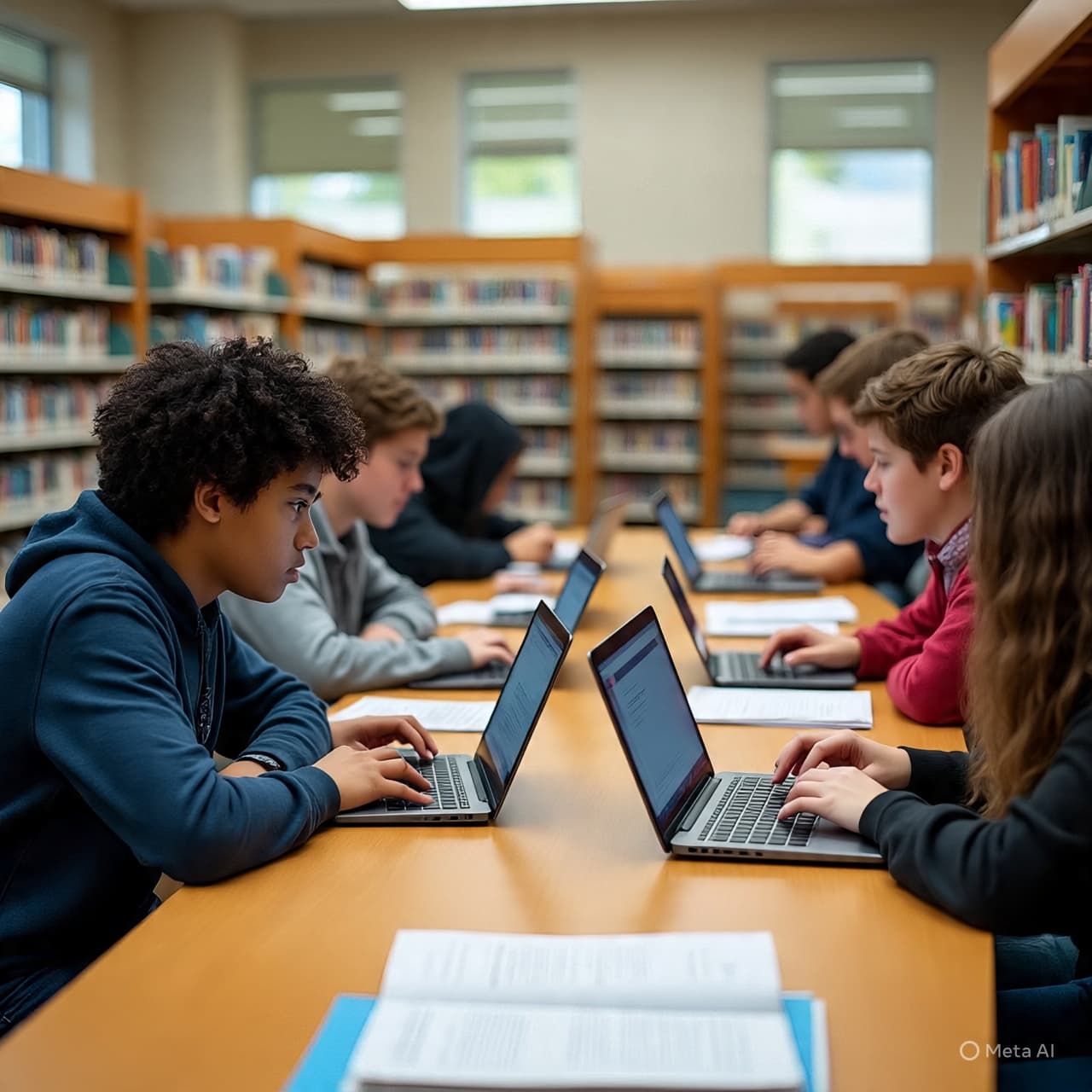
Visuals are AI‑generated and serve as conceptual representations.
Sources (Media Names Only)
PPC Land Reuters DPA Service ARY News
Published by Banx Network. This article is part of the Banx decentralized media programme, powered by the BXE token on the XRP Ledger.
.jpg&w=3840&q=75 "US Declares Drought Disaster for Parts of Puerto Rico as Dry Conditions Persist")