
Key Highlights
- Banksia plants are crucial for the health of Australia's coastal heathlands.
- Increased fire frequency and drought threaten Banksia species.
- Conservation efforts focus on understanding and supporting Banksia resilience.
The coastal heathlands of Australia are a landscape of intricate detail, where the wind shapes the scrub into low, resilient forms that hug the sandy soil. Among these plants, the Banksia stands as a unique architect of the bush, its serrated leaves and woody cones acting as the sturdy skeletons of the ecosystem. To walk through a stand of Banksia is to enter a world of subtle fragrance and profound, evolutionary patience.
There is a certain poetry in the life cycle of the Banksia, a plant that has learned to use the very fire that threatens it as a key to its survival. The woody cones remain closed for years, protecting the seeds within a fortress of timber, until the heat of a bushfire triggers their release into the nutrient-rich ash. This narrative of rebirth illustrates a species that finds its beginning in the end of the old, showcasing nature's resilience.
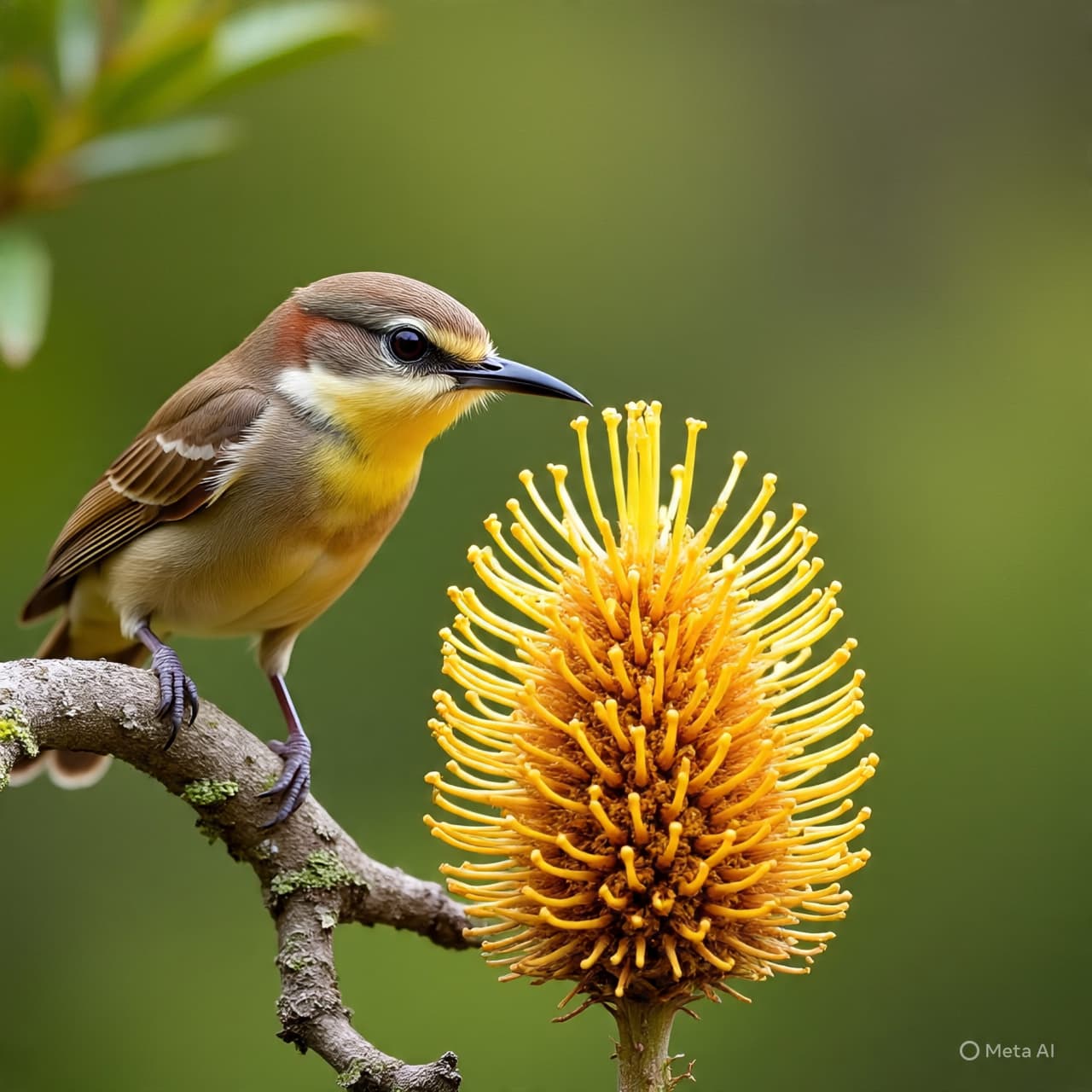
The health of the Banksia serves as a silent signal for the overall health of the entire heathland ecosystem. These plants are the primary source of nectar for a host of honeyeaters and small marsupials, their golden brushes acting as the fuel for the vibrant life of the coast. When the Banksia falters, the ripple effect is felt throughout the community, reminding us of the delicate balance that sustains the wild.
However, to observe the Banksia today is to witness a plant facing a new kind of pressure. Fires are becoming more frequent and intense, sometimes returning before the young plants have had a chance to set their own seeds. This quiet crisis of timing disrupts a rhythm that has functioned for millennia, as the bush struggles to keep pace with the rapid changes brought on by climate change.
In the laboratories of botanic gardens, researchers are diligently working to understand the limits of this resilience. They study the genetics of the seeds and the chemistry of the soil, searching for ways to support the Banksia through the coming heat. This work embodies a refusal to let such a fundamental part of the Australian landscape be lost to the smoke, highlighting the importance of conservation efforts.
The focus on Banksia conservation underscores the significance of the small and specific. While attention often gravitates towards grand forests and iconic animals, the health of the planet equally depends on the scrub and the heath. The Banksia is a living masterpiece of adaptation, a plant that has turned the challenge of fire into an opportunity for growth.
As the sun sets over the dunes, casting long shadows across the Banksia cones, one is reminded of the endurance of life. These plants stand as silent sentinels, waiting for the next rain or fire to continue their ancient dance with the environment. Their survival hinges on our ability to protect the space and cycles they need to thrive.
Botanists in Western Australia have expressed concern over the declining health of certain Banksia species due to increased fire frequency and prolonged drought conditions. New research suggests that many populations are struggling to reach maturity between fire events, leading to a gradual reduction in the seed bank. Conservation groups are advocating for refined controlled burning practices to better mimic the natural intervals required for Banksia regeneration.
Published by Banx Network. This article is part of the Banx decentralized media programme, powered by the BXE token on the XRP Ledger.



