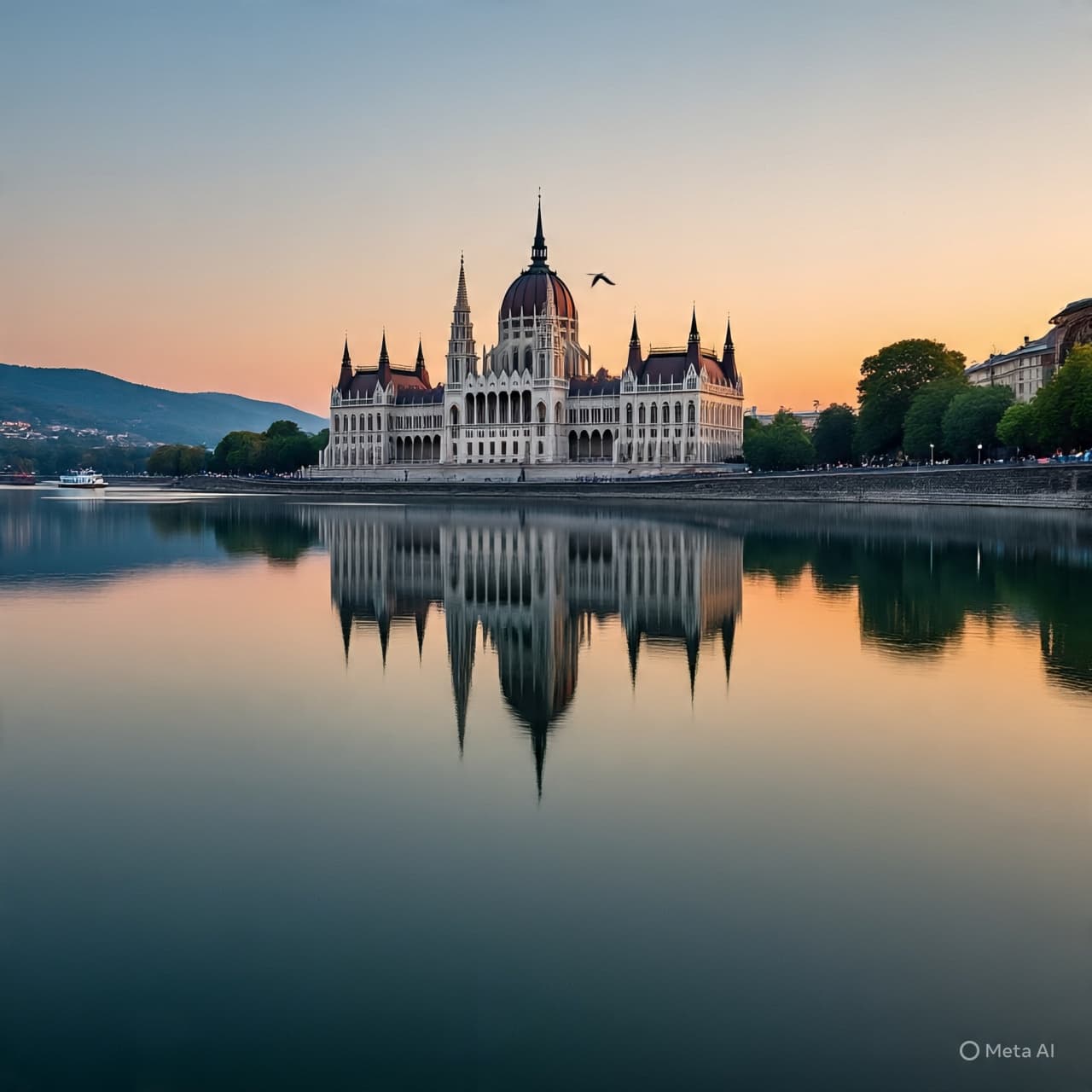
On a chilly March evening in Budapest, as the Danube whispered against his embankments and the ancient facades of Buda Castle softened into dusk, Hungary seemed poised at a political crossroads. The city’s cobblestoned arteries, worn by centuries of change, now carried an urgency shaped not just by local rhythms but by echoes from capitals across Europe and beyond. In the quiet streets, the murmurs of voters and the distant honking of campaign vehicles seemed threaded into the larger tensions that have, over many years, pulled this nation into both European debates and transcontinental alliances.
What unfolds in the coming weeks is more than a calendar event on April’s doorstep; it is an intricate tapestry of identity, allegiance, and the meaning of belonging in an age of shifting tides. For 16 years, the figure of Viktor Orbán has loomed large over Hungary’s political horizon, a constant force whose rhetoric of national sovereignty and Christian heritage has traced itself into the architecture of public life and state culture. Yet now, his long tenure encounters an opposition once peripheral but now ascendant, led by Péter Magyar, a figure whose campaign has crystallized the hopes of many Hungarians seeking reinvigoration of ties with the European Union and new direction amid economic unease.
Over the past weeks, that quiet urgency gained volume in grand halls and rallying cries. In Budapest’s ornate rooms, leaders from across Europe — names like Marine Le Pen and Matteo Salvini — gathered in solidarity with Orbán, their applause and declarations of kinship casting long shadows across the campaign landscape. Their presence was a reminder that Hungary’s election is not an isolated moment, but a fulcrum on which broader political currents tilt. Figures from outside Europe, too, have stepped into the frame, reaffirming support for the Hungarian prime minister and creating a chorus of voices that reverberates far beyond this central European nation.
For many Hungarians, these international endorsements carry a paradox. On one hand, they signal a kind of global recognition of Hungary’s distinct path; on the other, they raise questions about influence and autonomy in a democratic process. Street cafes in Pest are alive with conversations about what it means for Hungary to be both independent and deeply interconnected. Voters speak of everyday concerns — jobs, housing, education — even as they reflect on the broader symbolism of these foreign alignments.
The opposition’s surge in the polls has added to the atmosphere of quiet suspense. For the first time in years, a change feels conceivable, almost tangible. Support for the Tisza Party has climbed steadily, fueled by fatigue with economic stagnation and a longing for renewal in Hungary’s engagement with its European neighbors. Polls now show a clear lead for this new political force, though the unpredictable nature of voter turnout and the contours of Hungary’s electoral system temper any certainties.
As twilight deepens over the Hungarian capital, there is an almost meditative stillness, the kind that descends before something of consequence unfolds. Beyond the campaign posters and spirited debates, there is a collective sense of reflection — about the country’s past, its present crossroads, and the path that might lie ahead. In this moment, Hungary stands not only as a nation deciding its government, but as a mirror of broader questions about sovereignty, identity, and the delicate balance between local will and global currents.
When polling stations open on April 12, the choices made will resonate beyond ballots and banners; they will ripple through the architecture of Europe’s political imagination, forging new narratives in the unending story of democracy.
AI Image Disclaimer Illustrations were created using AI tools and are not real photographs.
Sources The Guardian, AP News, Reuters, Haaretz, Wikipedia
Published by Banx Network. This article is part of the Banx decentralized media programme, powered by the BXE token on the XRP Ledger.