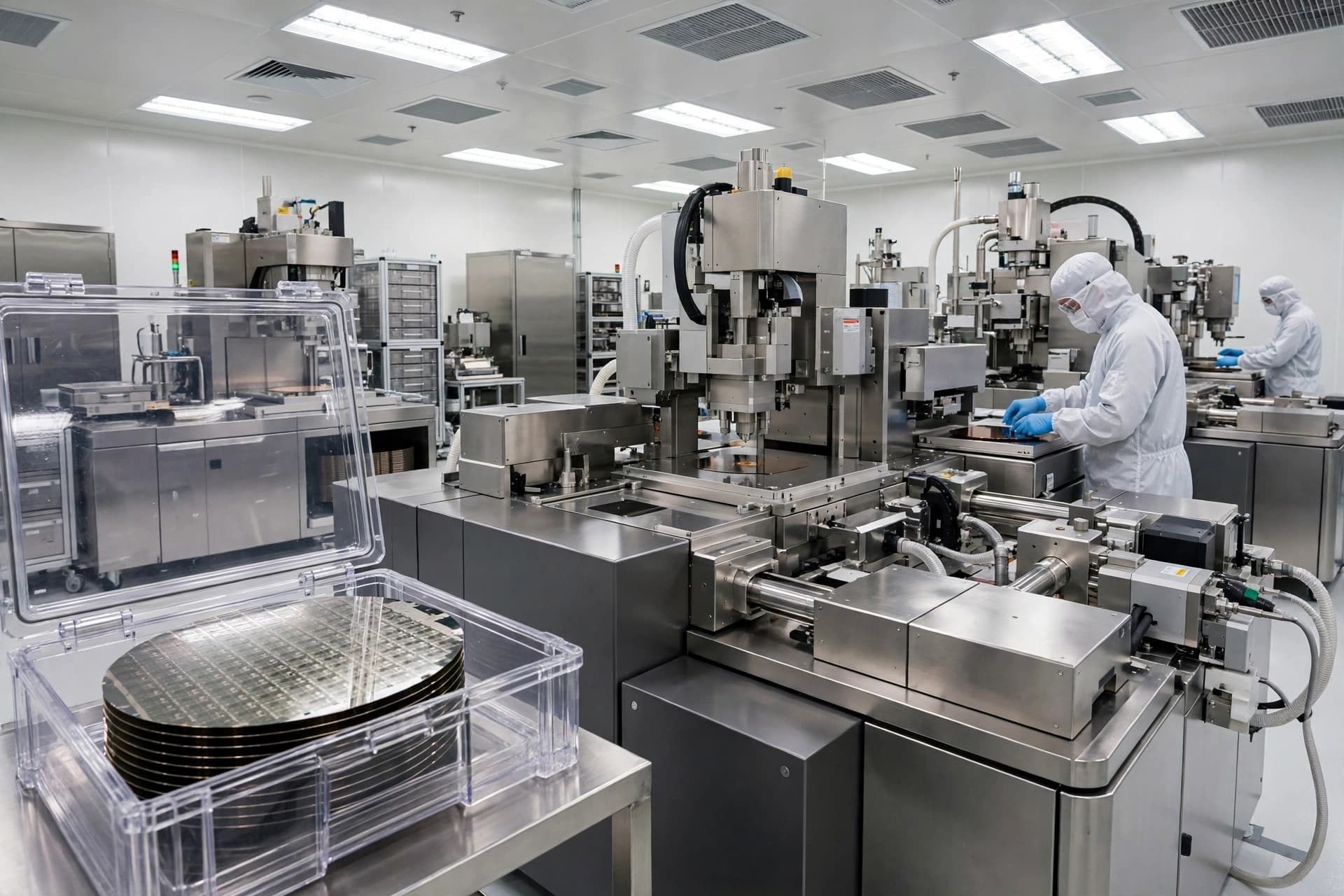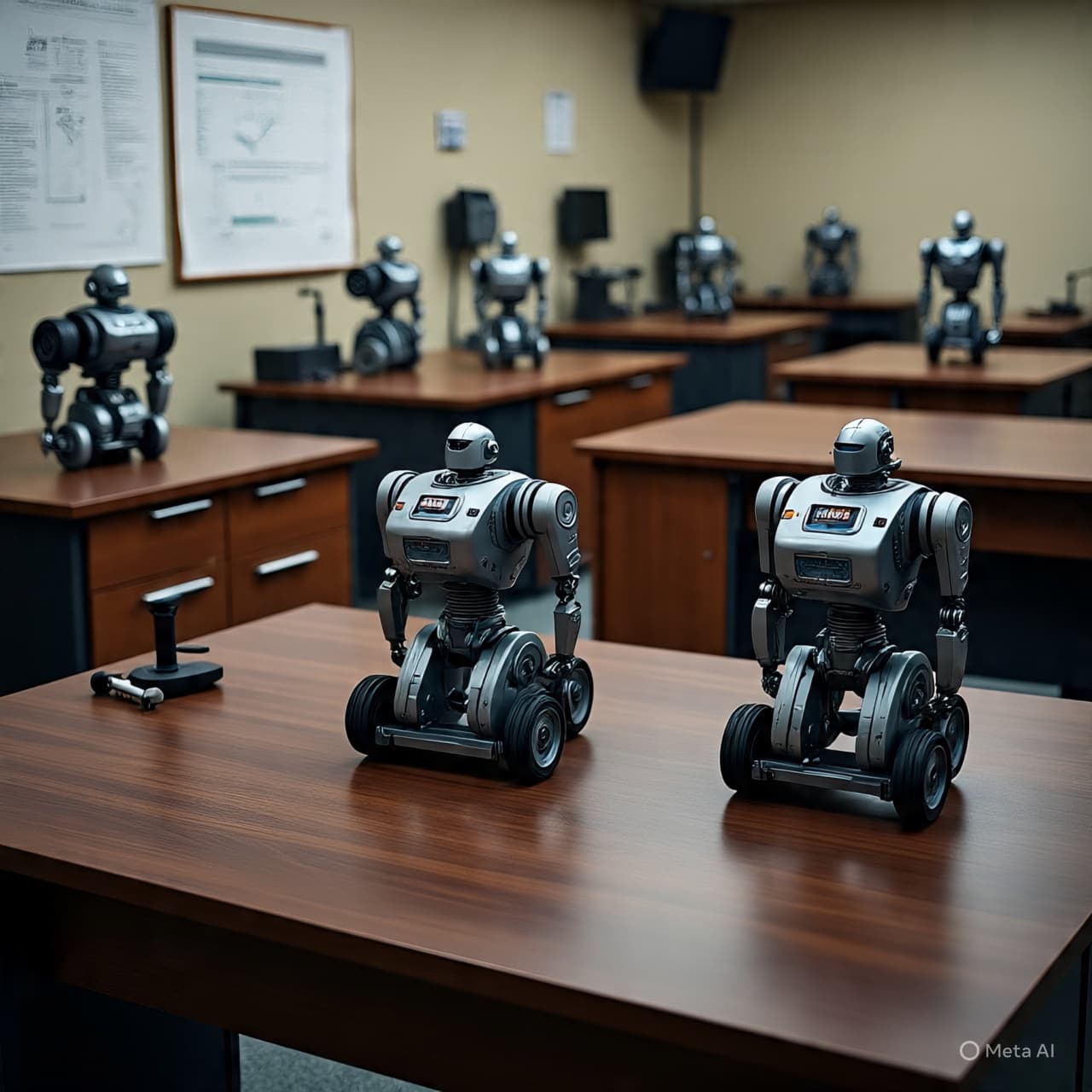
In the half-lit corridors of a robotics lab, shafts of light trace schematic drawings pinned to pale walls and cables coiled neatly across polished floors. These are the spaces where algorithms meet aluminum, where coded instructions ripple outward into mechanical motion. Progress here has always sounded like a low, steady hum — not dramatic, not loud, but constant.
This week, that hum softened.
Amazon has confirmed layoffs within its robotics unit, cutting at least 100 white-collar positions in the division responsible for designing automation systems used across its global warehouse network. The move forms part of the company’s broader restructuring efforts, which have already seen tens of thousands of corporate roles eliminated over the past year as leadership reassesses priorities and cost structures.
The robotics unit has been central to Amazon’s push toward automation in fulfillment centers — developing robotic arms, autonomous mobile platforms, and advanced storage systems aimed at increasing speed and efficiency. In recent months, certain experimental projects have reportedly been paused as the company evaluates which technologies align most closely with operational goals.
The cuts arrive at a moment when much of the technology sector is recalibrating. Investment in artificial intelligence and automation continues to accelerate, yet companies are simultaneously trimming payrolls and consolidating teams. The contrast feels almost paradoxical: machines advancing, humans stepping aside.
Inside the company, the message has been one of alignment — ensuring that teams are positioned to deliver long-term value while adapting to shifting economic conditions. Elevated borrowing costs, cautious consumer spending, and competitive pressure have all reshaped corporate decision-making across the industry.
For those leaving, the transition is personal and immediate. Robotics labs are not merely production lines of innovation; they are communities of engineers, designers, and problem-solvers who share long evenings of testing and revision. A prototype half-assembled on a bench is not simply equipment — it is collaboration embodied in steel and circuit boards.
For those who remain, the machines will continue to move. Conveyors will glide. Robotic arms will sort and stack. Fulfillment centers will pulse with the steady rhythm of global commerce. Yet in the quiet corners of development floors, the absence of colleagues may linger like a shadow in afternoon light.
Amazon has not signaled a retreat from automation. Instead, the shift appears to reflect a narrower focus — refining which innovations move forward and which pause. In the evolving architecture of modern work, efficiency and experimentation now coexist with austerity and review.
And so, in labs where mechanical joints once pivoted under fluorescent glow, a different recalibration takes place — one less visible than the turning of gears, but no less consequential.
AI Image Disclaimer Illustrations were created using AI tools and serve as conceptual representations.
Sources (Media Names Only)
Reuters Associated Press BBC Bloomberg GeekWire
Published by Banx Network. This article is part of the Banx decentralized media programme, powered by the BXE token on the XRP Ledger.