There is a certain hush in the early stir of day when the world seems to hold its breath before labor begins — a time when even the smallest whisper can seem significant against the quiet. So it feels, too, when talks begin about the unseen arteries that keep cities and fields moving: the fuel that lies tucked beneath pumps and into tanks, powering journeys both mundane and vital. In these moments, the notion of shortage becomes more than a concept; it becomes a shadow in the mind, a breath held at the edge of something anticipated.
Across distant horizons, currents of geopolitical change have stirred the global oil markets into more restless motion. Conflicts that seem far removed from everyday work and morning routines nevertheless ripple outward, raising the cost of a barrel and tightening the threads through which fuel flows. In places like Australia, governments have responded by temporarily relaxing fuel standards, allowing more supply into domestic channels to ease pressure where shortages loom. Emergency measures are being discussed and crisis teams convened in some regions to ensure that hospitals, emergency services and farms retain access to what they need. Meanwhile, farmers in agriculture heartlands have found themselves placing bulk orders for diesel amid worries about tighter supplies, and rising costs have become part of the backdrop against which tractors and harvesters wait for return.
Closer to home, leaders have taken a softer tone of reassurance, speaking of adequate reserves and monitoring as stocks remain sufficient for now. Officials in Indonesia, for example, have urged calm, noting that domestic storage levels are holding above minimum thresholds and that supply chains continue to function despite unsettling winds in the wider world. In public statements, authorities encourage restraint and patience, reminding citizens that panic buying can, in itself, create distortions that have little to do with the actual availability of fuel.
But between these gestures of assurance and policy measures lies a delicate balance. When talk of shortages begins to surface — even in hypothetical terms — it changes the way people move through their day. Vehicles idle longer at pumps, orders are placed earlier, and minds turn toward contingency rather than convenience. The very notion of scarcity can ripple outward like stones cast into still water, shaping behavior as tangibly as the rising price at the meter. And so the language used by those in charge becomes part of the landscape itself: careful words can steady expectations, while unguarded fears can magnify small uncertainties into broader anxieties.
In the interplay between official reassurance and the real economic pressures felt on farms, in cities and at household budgets, there is room for a candid conversation about what might lie ahead. To speak realistically of possibility — not panic, nor denial — is to acknowledge that fuel supply, like weather and seasons, can shift with forces beyond immediate control. It is not an invitation to alarm, but a request for clear horizon‑scanning, so that planning and preparation may accompany faith in current adequacy. In doing so, the public can hear not just the numbers of days of supply, but the cadence of reasoned response that traverses from policy tables to roadside queues.
In factual terms, global tension in key oil‑producing regions has put pressure on crude markets and heightened concerns about the reliability of supply chains. Some countries are adjusting standards and reserves to bolster domestic availability, and government agencies in various regions are reassuring that current stockpiles meet anticipated needs. Officials stress that while volatility remains, there is no immediate crisis of supply, and they urge members of the public to avoid panic buying or hoarding, which can create artificial shortages even where underlying inventories are adequate.
AI Image Disclaimer
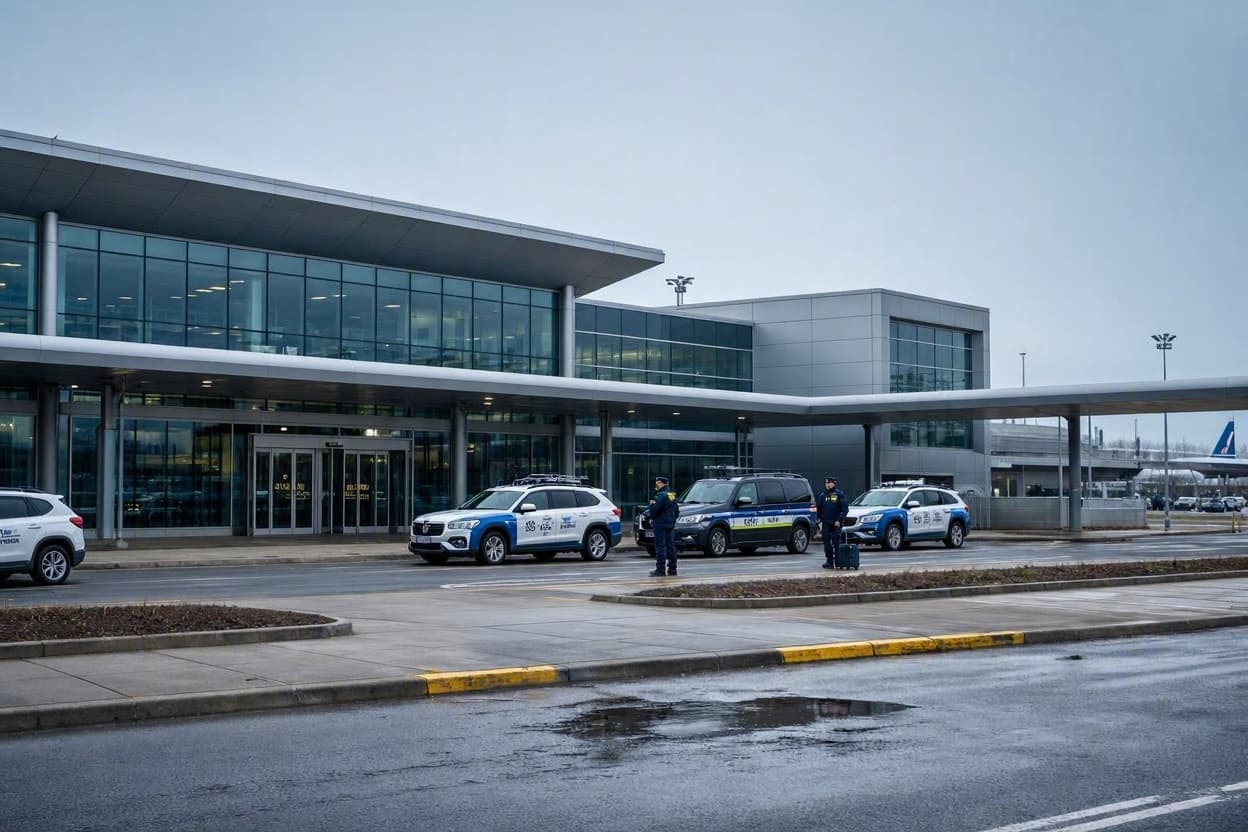
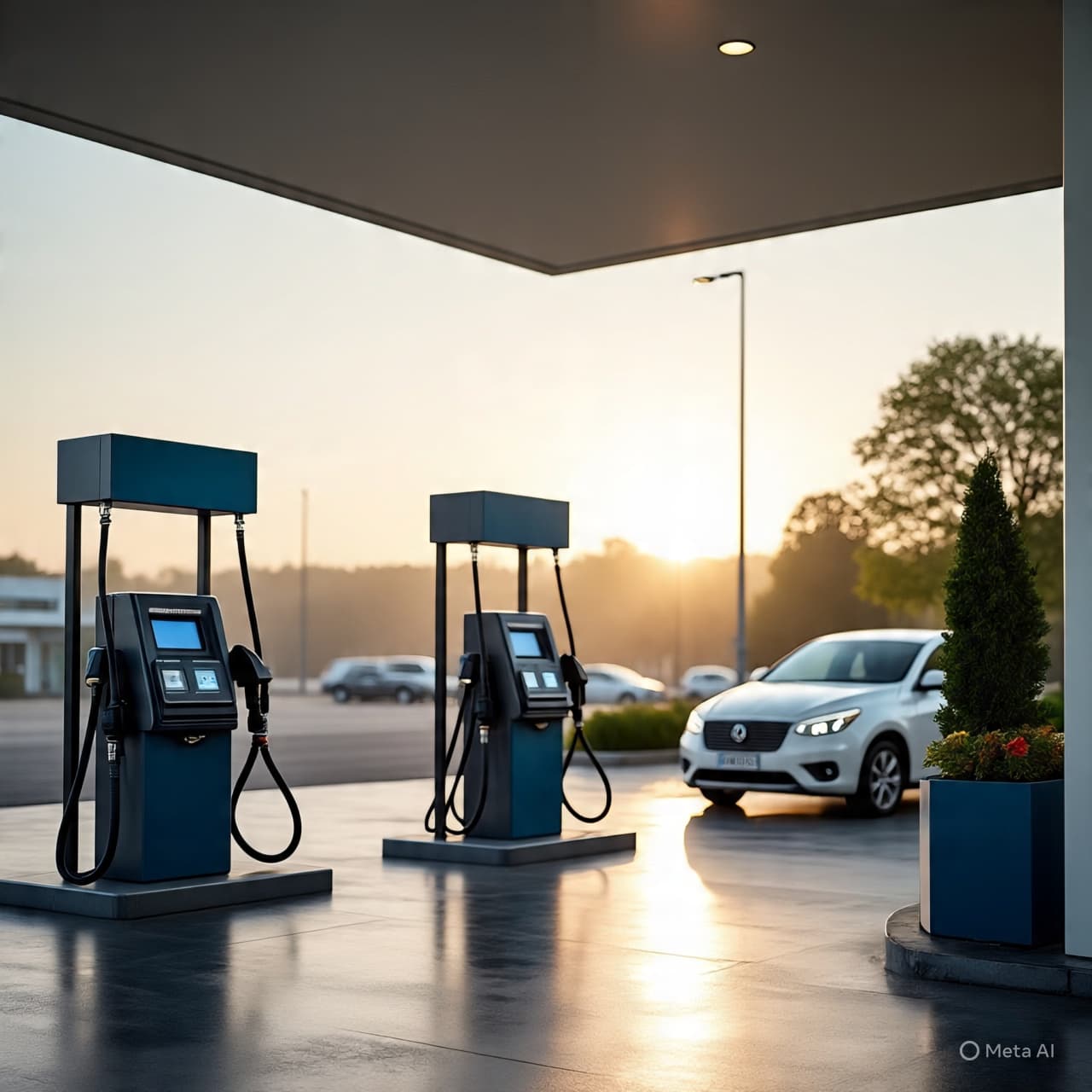
Visuals are AI‑generated and serve as conceptual representations.
Source Check
There are credible recent reports showing fuel supply concerns, government responses, and public reaction relating to global disruptions: The Guardian – on fuel supply and emergency measures amid global energy tensions. ABC News – on stockpiling and distribution stress for farmers. ANTARA News – domestic statements from Indonesian government about fuel stocks. These form the factual foundation for the editorial article below.
Published by Banx Network. This article is part of the Banx decentralized media programme, powered by the BXE token on the XRP Ledger.