
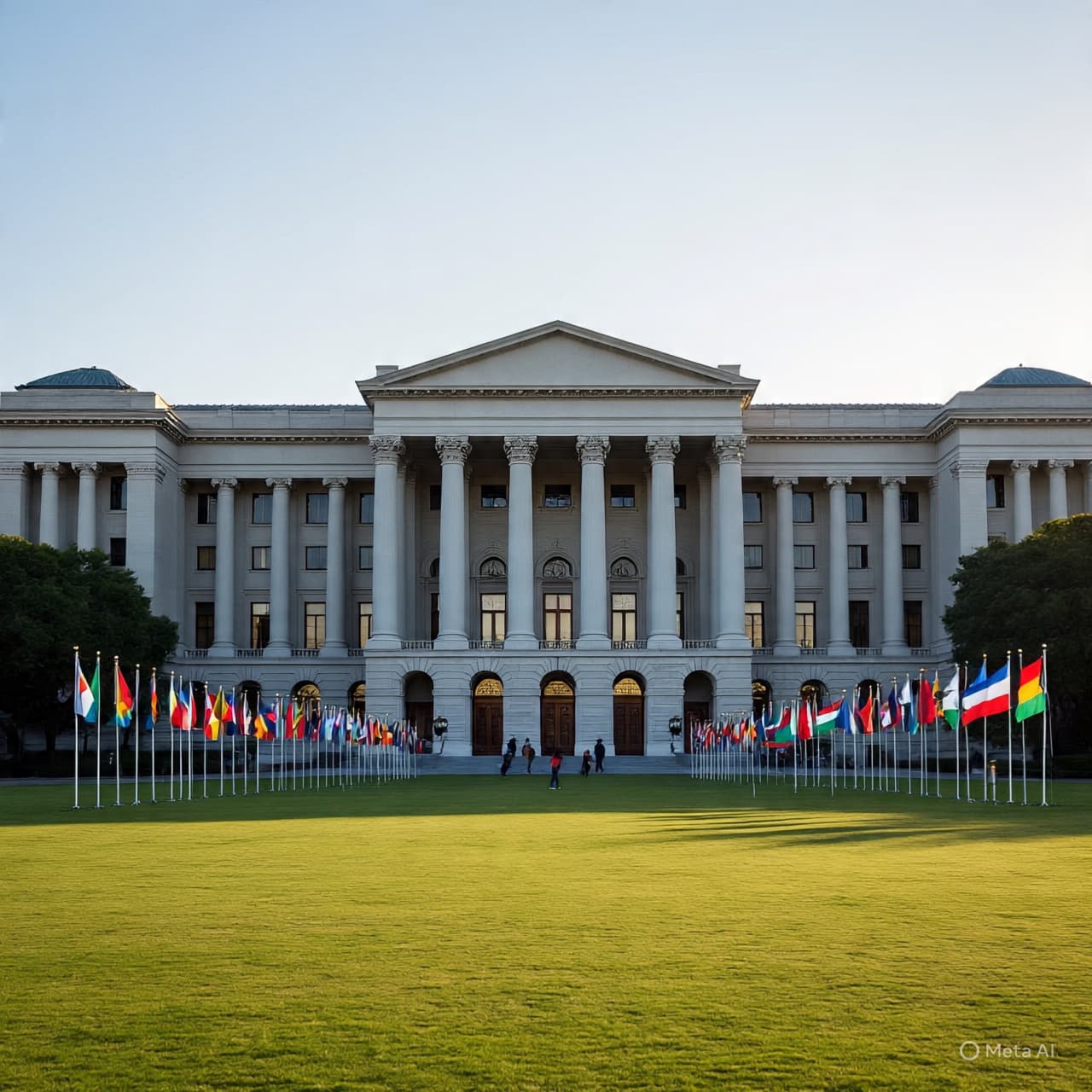
In Pretoria, the morning sun casts long shadows over the Union Buildings, illuminating the orderly gardens and broad avenues that have witnessed generations of diplomacy. Within these stately walls, ceremony and symbolism intertwine, reflecting both tradition and the ongoing work of international partnership.
This week, the newly appointed U.S. ambassador to South Africa presented credentials to the South African government. The ceremony, while formal in structure, carries subtler significance: it is a gesture of continuity, trust, and engagement, marking the ambassador’s official role as a bridge between two nations.
The presentation of credentials is a ritual as old as modern diplomacy itself, where words, gestures, and formalities convey respect and acknowledgment. Beyond the pomp, it signals readiness to engage on issues ranging from trade and investment to education, security, and cultural exchange. For the United States and South Africa, it reflects a commitment to dialogue and collaboration, ensuring that channels of communication remain open and active.
For South African officials, the arrival of a new ambassador brings opportunities to recalibrate partnerships, advance shared objectives, and reinforce international cooperation. Similarly, the ambassador enters a landscape shaped by local priorities, regional dynamics, and the broader currents of global affairs. Each meeting, each discussion, represents the quiet labor of diplomacy: listening, understanding, and negotiating paths forward.
Amid ceremonial speeches and formal photographs, there is a human dimension often overlooked. Staffers prepare meticulously, interpreters ensure clarity, and protocols are observed with care — a choreography of precision that underscores the weight of symbolic acts. In these moments, the intersection of history, governance, and interpersonal connection is palpable, reminding all participants that diplomacy is both art and responsibility.
As the day unfolds in the capital, the ambassador’s presence embodies a gentle continuity. It is less about headlines than about relationships cultivated over time, trust built through engagement, and the patient work of representing one nation to another. In this reflective space, the ceremony is not an end, but a beginning — a step in a long journey of collaboration, understanding, and shared purpose.
Published by Banx Network. This article is part of the Banx decentralized media programme, powered by the BXE token on the XRP Ledger.


.jpg&w=3840&q=75 "Same-Sex Couple Sue Slovakia Over Refusal to Register Their Marriage")