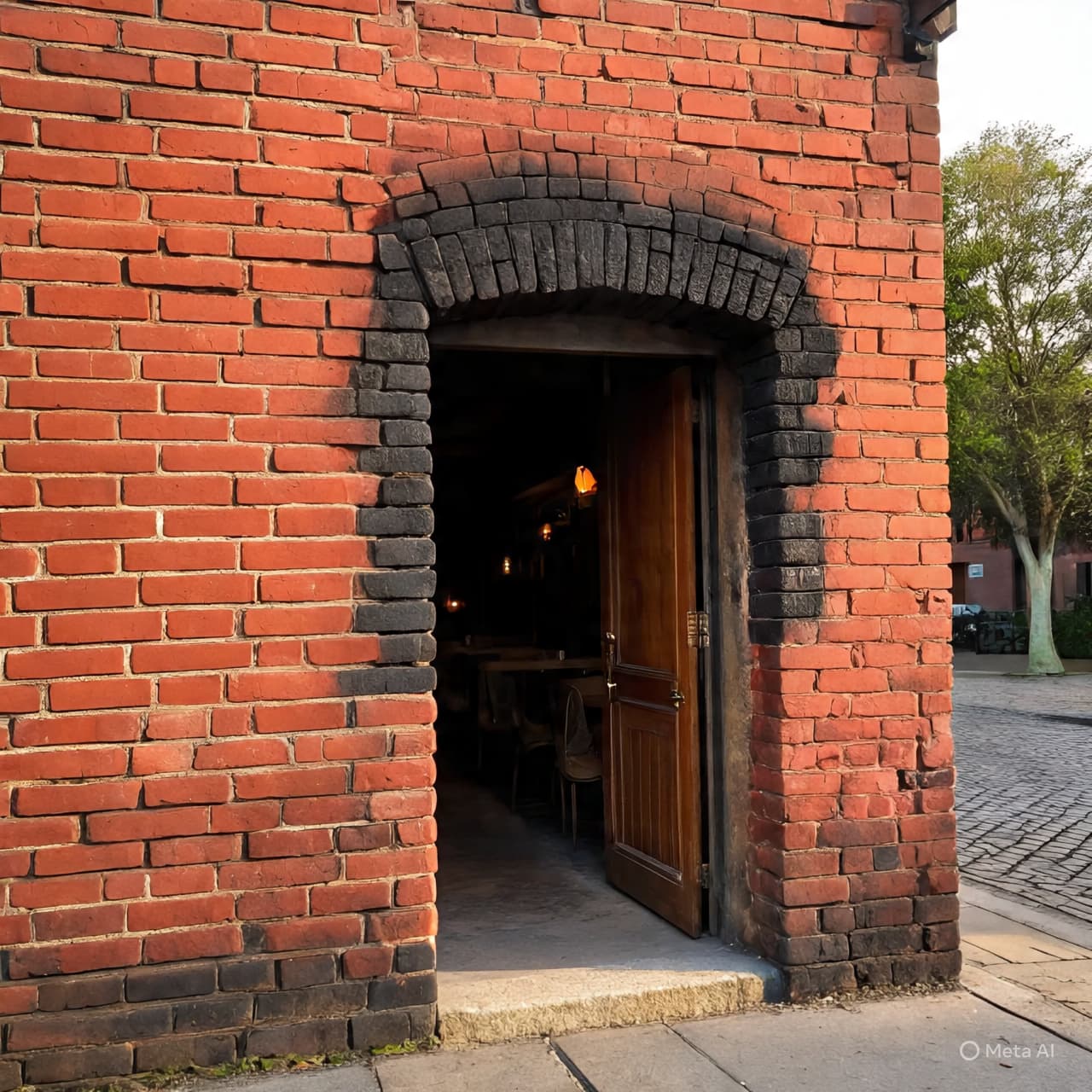
In the early hush of a Portland winter morning, when the first pale light touches the familiar outlines of buildings and streetlights still flicker against the dim sky, there came an unexpected interruption to the quiet. In the Lloyd District — an area that hums with the promise of commerce by day and sleepier motion by night — a fire rose from an unlikely place, a small camp where people without homes had lit a blaze to keep warm. The flame, intended for comfort in the cold, reached beyond its fragile harbor and found the side of a nearby restaurant.
The Red Robin on Northeast Grand Avenue, nestled among the urban grid just blocks from the Oregon Convention Center, became an unintended witness to that movement of heat and material. According to Portland Fire & Rescue, responders found the fire burning at the south wall of the building in the early hours, the glow and smoke betraying sudden motion where stillness had lingered. A cleaning crew passing by noticed the growing menace and alerted authorities, a quiet act of observation that may have prevented the blaze from advancing deeper into the structure’s interior. Firefighters opened the wall and worked to suppress the flames before extensive damage could take hold. Officials said no injuries were reported, a small mercy amid the disruption.
In a city where unsanctioned encampments have become part of the urban landscape and where the interaction between public space and human necessity is continually being negotiated, such incidents stir reflections that are both practical and profound. Fire, even when it begins with the simplest of human needs — warmth in cold weather — carries a dual nature. It provides comfort in one moment and poses danger in the next, its path determined by circumstance and proximity. The recent blaze, traced by officials to a “warming fire” at a camp, underscores that tension in a way that is both immediate and symbolic.
Businesses in the Lloyd District have witnessed change and adaptation amid the ebb and flow of city life. Restaurateurs and shopkeepers, residents passing by on their morning routes, and visitors drawn by the district’s attractions all share the same streets that at night host people seeking shelter. In this shared space, events such as a fire remind observers that the city’s physical structures and its social fabric are intertwined in subtle ways — each action, each choice of where to kindle a flame, carries consequences that travel beyond their origins.
Officials have pointed to the incident as a reminder of safety practices in outdoor and informal settings, urging caution and awareness of the risks inherent in open flames near buildings and combustibles. In the broader context, Portland has seen a pattern of fires connected with encampments in recent years, a reality that both fire authorities and community leaders have worked to address through outreach, prevention efforts, and discussions on housing and services.
As the morning unfolded and the immediate danger receded, the smell of smoke lingering faintly in the crisp air, the city resumed its rhythms. The burned spot on the restaurant’s wall served as a quiet ledger of what had occurred: a reminder of how easily motion — even that intended for survival — can transform the landscape. In straight news terms, the fire was ruled to have spread from a warming fire at a nearby homeless camp, and firefighters contained the blaze before it could cause extensive structural damage. No injuries were reported.
AI Image Disclaimer Visuals are AI-generated and serve as conceptual representations.
Sources KPTV-KPDX KOIN News Minimalist Yahoo News Associated Press
Published by Banx Network. This article is part of the Banx decentralized media programme, powered by the BXE token on the XRP Ledger.