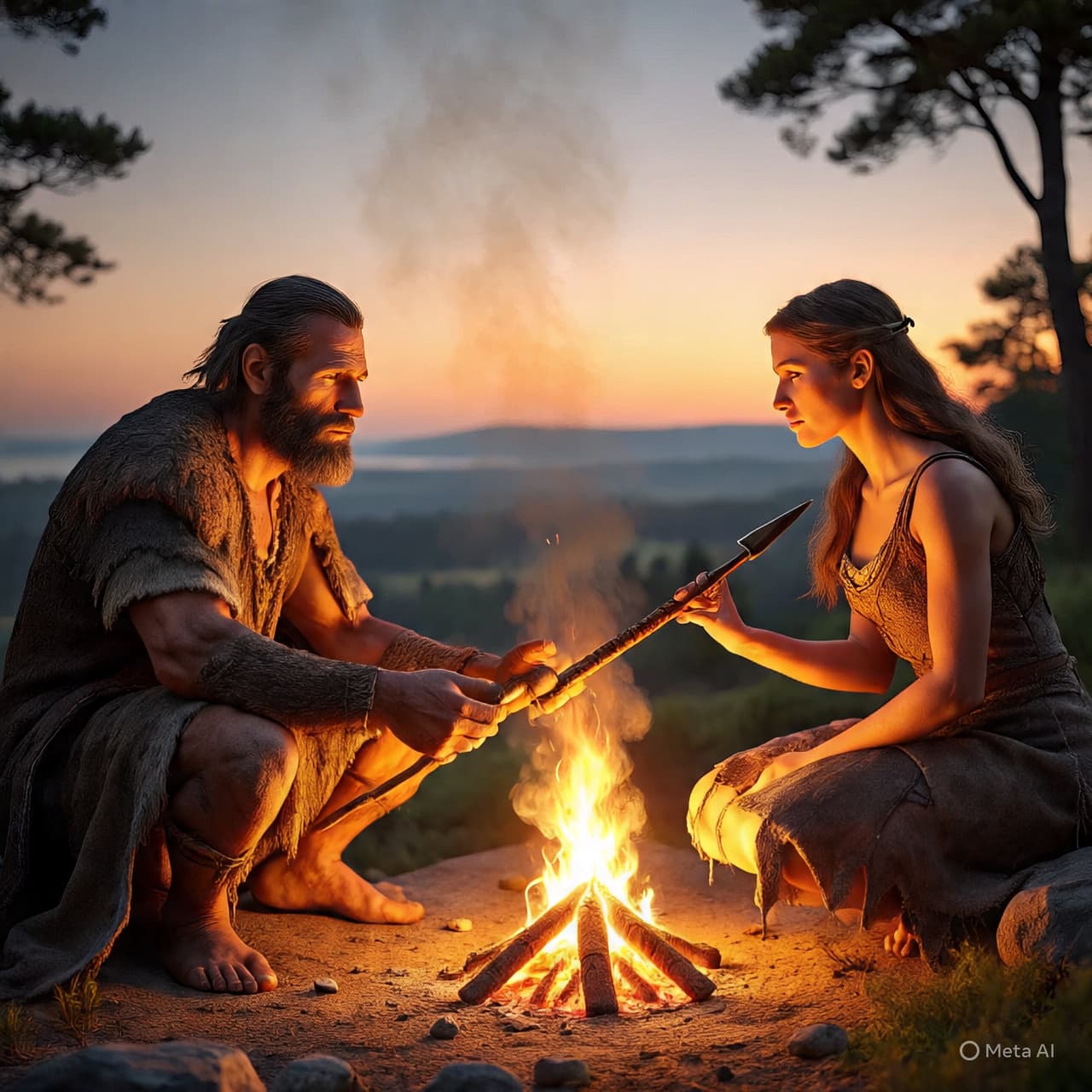
On a quiet plain in far‑off epochs, where the wind once carved grooves in steppe and woodland, two human‑like forms might have met by firelight or shifting shadows. There, where survival and curiosity intertwined, the impulses of life crossed boundaries we now trace in the silent codes of our own DNA. The movements of ancient peoples were not only the migrations of bone and tool but also of connection — intimate encounters whose echoes linger in every cell of those who came after.
Recent research into the genetic tapestry woven by Neanderthals and early modern humans has illuminated a facet of that deep past that is both elemental and surprising. Scientists have now found that when these two closely related branches of humanity encountered one another in Eurasia tens of thousands of years ago, their unions were more than occasional curiosities. Studies reveal a notable pattern in the direction of interbreeding between Neanderthal males and human females. This asymmetry in mating has left a subtle but persistent imprint in the genomes of people today who trace descent outside sub‑Saharan Africa, where remnants of Neanderthal DNA account for roughly one to four percent of their genetic heritage.
In the quiet language of chromosomes, the story of these ancient couplings unfolds. Scientists observed that large swaths of the human X chromosome — one of the two sex chromosomes — contain far less Neanderthal DNA than other parts of the genome. This absence puzzled researchers for years. Was it purely the work of natural selection purging disadvantageous traits? The emerging view suggests something more intricate: the very process of mating itself may have favored specific pairings in which Neanderthal males tended to couple with Homo sapiens females, creating genetic patterns that survive today. The relative shortage of Neanderthal genetic material on the X chromosome is consistent with this sex‑biased interbreeding, as the X chromosome was inherited through the human maternal line in most of these encounters.
The reasons for this persistent asymmetry remain shrouded in the distant past. Biological compatibility, social dynamics, demographic pressures, and even chance could all have played roles, and the sparse archaeological record offers only shadows of context to accompany the genetic clues. Yet the imprint of these ancient intimacies is unmistakable. It suggests that when Neanderthals and early humans met, their interactions were not simply fleeting overlaps of territory but extended connections that shaped the very genetic heritage of later populations. In a sense, the story of who we are — woven through strands of Neanderthal DNA — bears quiet witness to encounters of proximity, curiosity, and perhaps affinity across species lines.
What remains clear from these genetic revelations is that contact between Neanderthals and early modern humans was repeated and meaningful, not isolated and random. As early humans migrated into regions long occupied by Neanderthals, particularly in western Eurasia, opportunities for interbreeding arose repeatedly over thousands of years. While Neanderthals as a distinct population faded from the fossil record roughly 40,000 years ago, their legacy persists in the DNA of modern human populations around the globe. The majority of people with non‑African ancestry today carry this legacy as a subtle yet lasting reminder of that ancient union.
In uncovering these patterns, scientists tread the fine line between cold data and the warm suggestion of ancient lives intertwined. The findings do not provide a window into the emotions or intentions of those first couples, nor do they prescribe simple narratives of consent or culture. But they do bring into focus the profound reality that the story of human evolution is not solely a tale of survival and adaptation, but also one of unexpected interconnection and shared heritage — a tapestry woven not only by survival but by the quiet rhythms of life that carried our ancestors across landscapes and through one another’s arms.
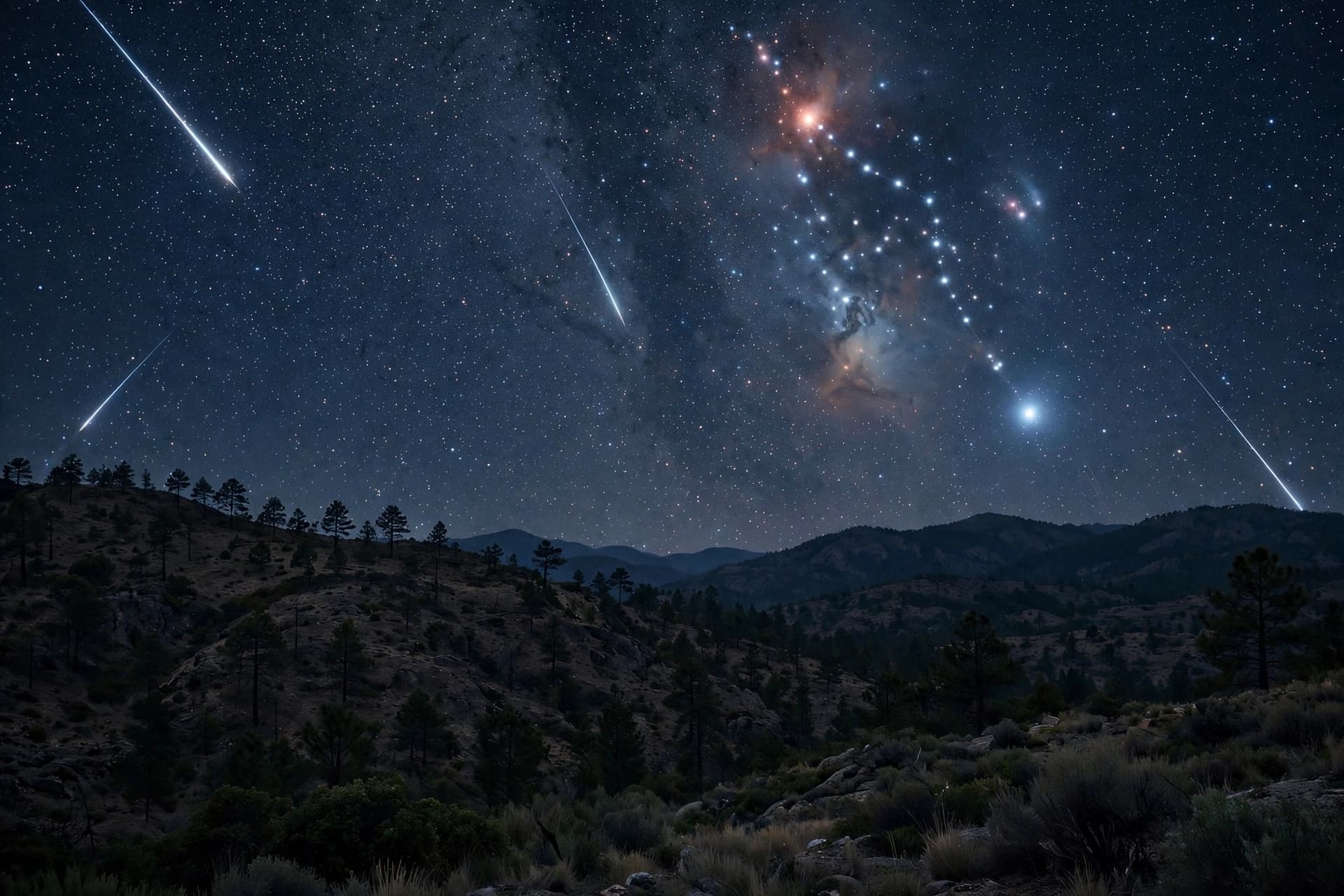
Visuals are AI‑generated and serve as conceptual representations.
Sources (Media Names Only)
Reuters Associated Press Live Science The Daily Mail ABC News
Published by Banx Network. This article is part of the Banx decentralized media programme, powered by the BXE token on the XRP Ledger.