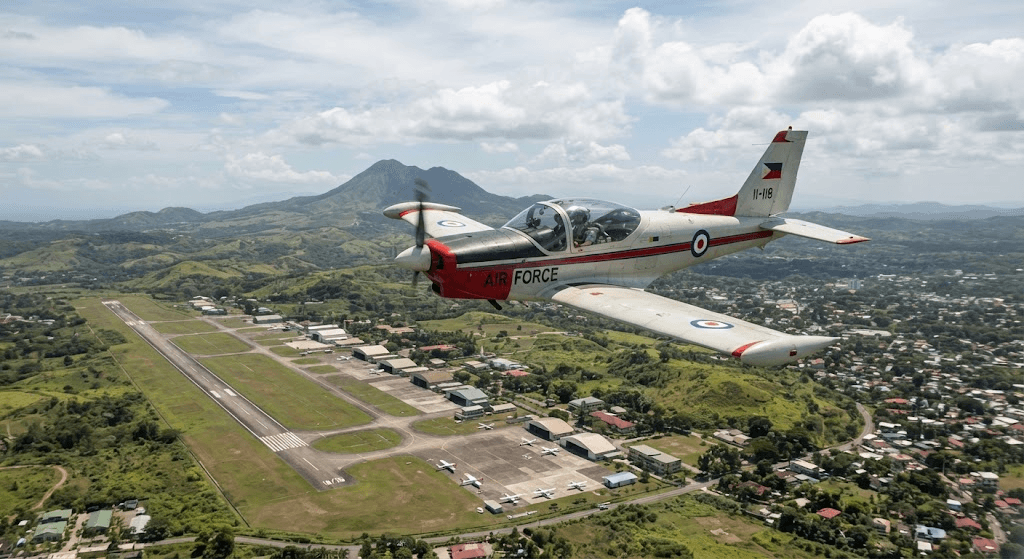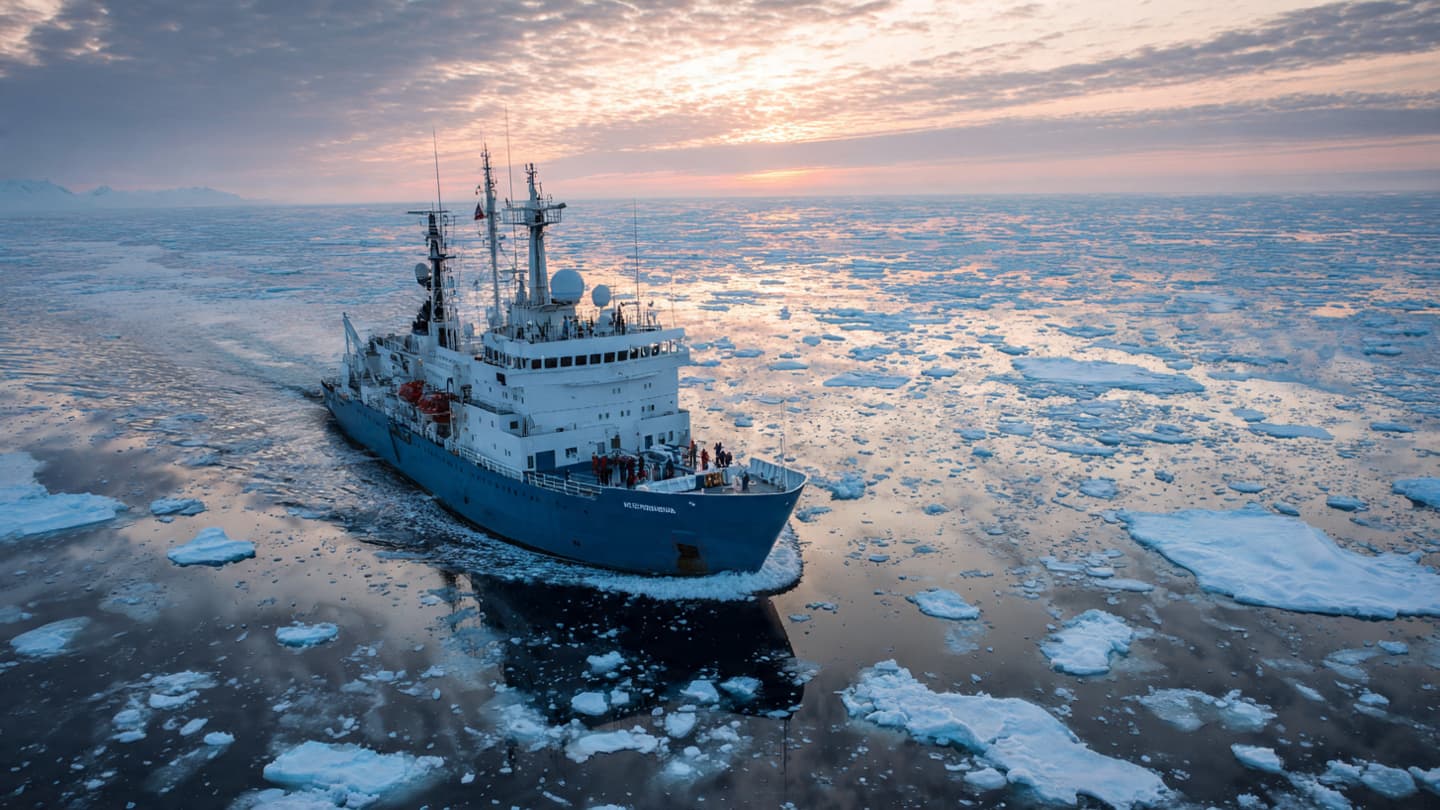
The Arctic has a way of making human ambition feel small. Ice drifts in slow silence beneath pale skies, and the horizon stretches outward with almost mathematical calm. Thousands of miles away, launch pads hum with a different kind of stillness — the brief pause before fire and metal rise toward orbit. Between these distant worlds of snow and satellites, India and Norway have begun sketching a partnership shaped less by spectacle than by careful alignment, a relationship unfolding across oceans, technology, and the changing geometry of global cooperation.
During recent talks between officials from India and Norway, the two countries signed a series of agreements reaching from Arctic research to maritime industries and space collaboration. Though separated by geography, climate, and scale, the partnership reflects a broader shift taking place quietly beneath the surface of international politics: middle powers increasingly seeking practical alliances built around science, trade, energy, and strategic resilience rather than ideology alone.
In Oslo, where the sea air carries the cool scent of northern waters, Norwegian leaders emphasized cooperation in renewable energy, green shipping, fisheries, and polar research. India, meanwhile, arrives with growing technological confidence and a widening global footprint. Its space program has drawn international attention in recent years, particularly after successful lunar and solar missions, while its expanding economy continues to attract governments looking for stable long-term partnerships beyond traditional power centers.
The Arctic itself has become an unexpected meeting ground for nations far from the polar circle. As climate change alters shipping routes and exposes new strategic realities in the far north, countries like India have increased scientific and diplomatic engagement in Arctic affairs. India maintains an Arctic research station in Norway’s Svalbard archipelago, where scientists study glaciers, atmospheric systems, and environmental change. In these remote landscapes, diplomacy often takes on a quieter form — researchers sharing data beneath frozen mountains while governments calculate the future implications of melting ice.
At the same time, the partnership reflects the changing nature of modern trade. Norway, with its expertise in maritime engineering, clean energy, and ocean technology, sees opportunities in India’s scale and rapidly developing infrastructure. India, facing rising energy demands and urban expansion, looks toward Scandinavian innovation in sustainability and shipping modernization. What emerges is less a dramatic geopolitical alliance than a layered exchange of needs, knowledge, and timing.
Outer space, too, has become part of this widening map. Discussions around satellite cooperation and space technologies illustrate how diplomacy increasingly extends beyond borders visible on Earth. Satellites guide ships through Arctic waters, monitor weather patterns, assist communications, and connect industries that once existed in separate spheres. The distance between a northern fjord and a launch facility in South Asia no longer feels quite as vast as it once did.
There is also a subtler rhythm beneath the agreements: the desire among many nations to diversify relationships in an era marked by uncertainty. Trade tensions, wars, supply chain disruptions, and shifting alliances have encouraged governments to build broader networks of cooperation. In that environment, partnerships like the one between India and Norway carry significance not because they dominate headlines, but because they represent the quieter architecture of a changing world order.
For Norway, engagement with India offers access to one of the world’s largest markets and an increasingly influential diplomatic actor. For India, ties with Nordic countries reinforce its image as a country comfortable moving simultaneously through multiple regions and strategic spaces — from the Indo-Pacific to Europe, from Arctic science forums to commercial space ventures.
As meetings concluded and delegations returned to airports and ministries, the agreements themselves may have appeared technical on paper: memorandums, research frameworks, commercial understandings. Yet behind those formal documents lies a broader story about how nations navigate the twenty-first century — not only through military alliances or ideological blocs, but through shared concerns about climate, technology, energy, and economic endurance.
Far above the Earth, satellites continue their silent passage through darkness. Far north in the Arctic, glaciers move almost imperceptibly beneath long stretches of cold light. Between those worlds, India and Norway are building a partnership shaped by distance, curiosity, and the recognition that even nations separated by oceans may find themselves facing the same horizon.
AI Image Disclaimer Visuals are AI-generated and serve as conceptual representations of the events and locations described.
Sources
Reuters The Hindu NRK Associated Press Bloomberg
Published by Banx Network. This article is part of the Banx decentralized media programme, powered by the BXE token on the XRP Ledger.