The pale light of an early Asian morning often catches the fleeting glow of signboards before the hum of commerce takes hold, as though the day itself pauses momentarily between night and the call to markets. On Thursday, that quiet interval felt charged with significance, as if the ebb and flow of numbers on screens were taking their cue from unseen currents — not just of economy, but of geopolitics.
Across floors in Seoul and Tokyo, traders gathered with guarded expectation. Orders were placed, brief conversations exchanged, and then — a turn. South Korea’s benchmark KOSPI surged by more than ten percent, rebounding sharply after days of steep declines that had followed heightened concern over the Iran conflict and its potential economic reverberations. The scale of the rise carried the character of relief as much as recovery, as investors moved back into positions that only days earlier had seemed uncertain.
The movement was not confined to a single exchange. Japan’s Nikkei 225 advanced solidly, with industrial and technology shares helping to lift sentiment. Other regional markets edged higher as well, taking cues from stronger overnight performances on Wall Street and signs that selling pressure had eased. The rebound unfolded against a backdrop of elevated oil prices, which had climbed earlier in the week amid fears of broader disruption in the Middle East.
Energy markets remain sensitive to developments tied to Iran, particularly given the strategic importance of regional shipping routes. Fluctuations in crude prices have fed through to equity markets, shaping investor expectations about inflation, corporate costs, and central bank responses. Even as oil held near recent highs, some stabilization in trading appeared to temper immediate anxiety.
Market swings of this magnitude often reflect a mix of technical factors and shifting sentiment. After pronounced losses, bargain buying can gather force quickly, especially when global investors perceive that worst-case scenarios may not be imminent. In Seoul, large-cap shares led the charge, while in Tokyo exporters and chipmakers found renewed support.
Still, beneath the rebound lay an awareness of fragility. Financial markets move in dialogue with events far beyond trading floors, and geopolitical developments can alter direction swiftly. The rhythm of the session — sharp ascent after days of descent — underscored how quickly confidence can contract and then cautiously expand.
In the latest trading sessions, Asian equities rebounded strongly, led by a surge of more than 10 percent in South Korea’s KOSPI. Japan’s Nikkei 225 and other regional benchmarks also rose, supported by gains in U.S. markets. Investors continue to monitor developments surrounding the Iran conflict and energy prices.
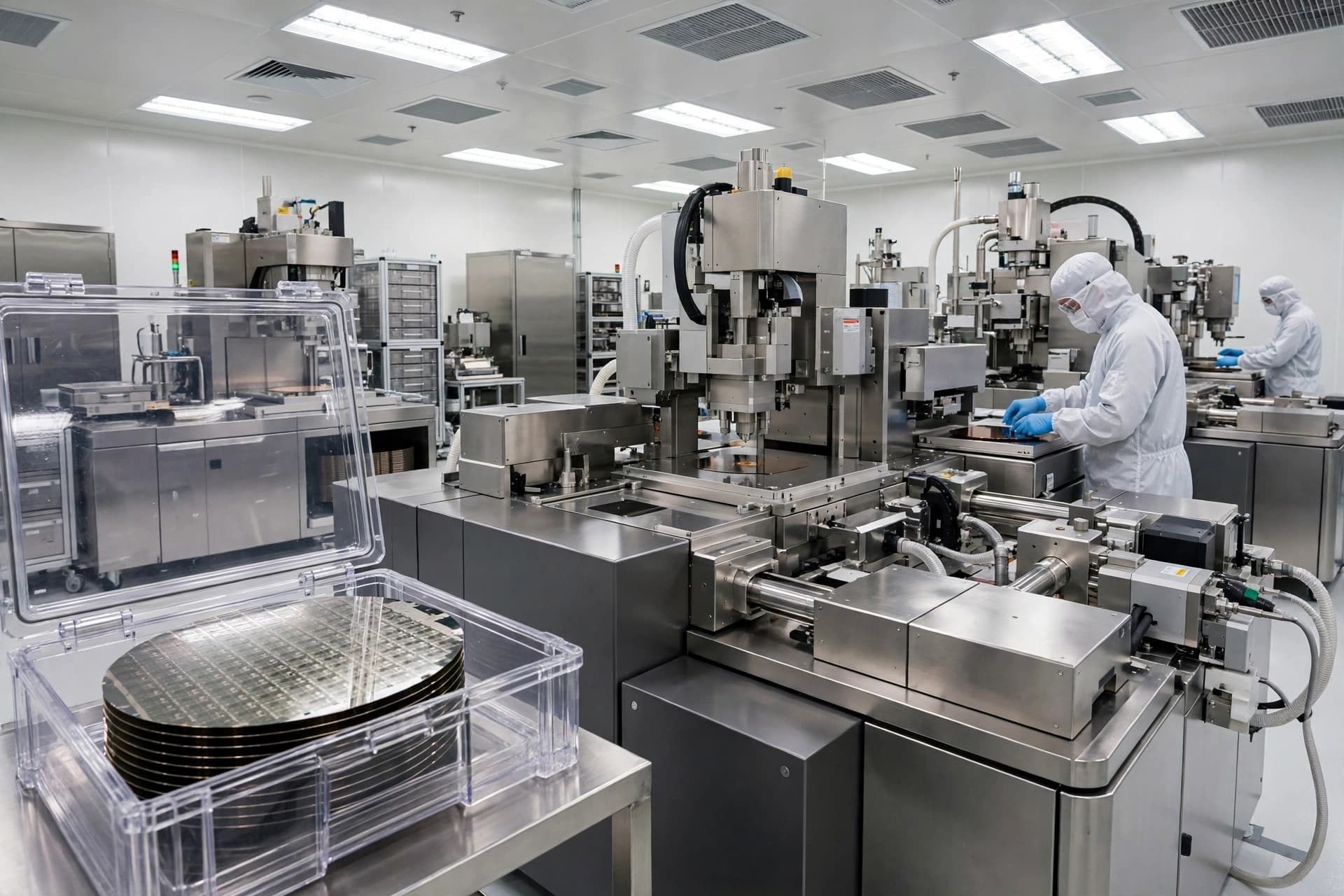
AI Image Disclaimer Illustrations were created using AI tools and are not real photographs. Sources (Media Names Only) Reuters Associated Press Bloomberg The Guardian Financial Times
Published by Banx Network. This article is part of the Banx decentralized media programme, powered by the BXE token on the XRP Ledger.

.jpg&w=3840&q=75 "India Says First Phase of U.S. Trade Deal Is Nearly Done, Seeks Edge Over Rivals")