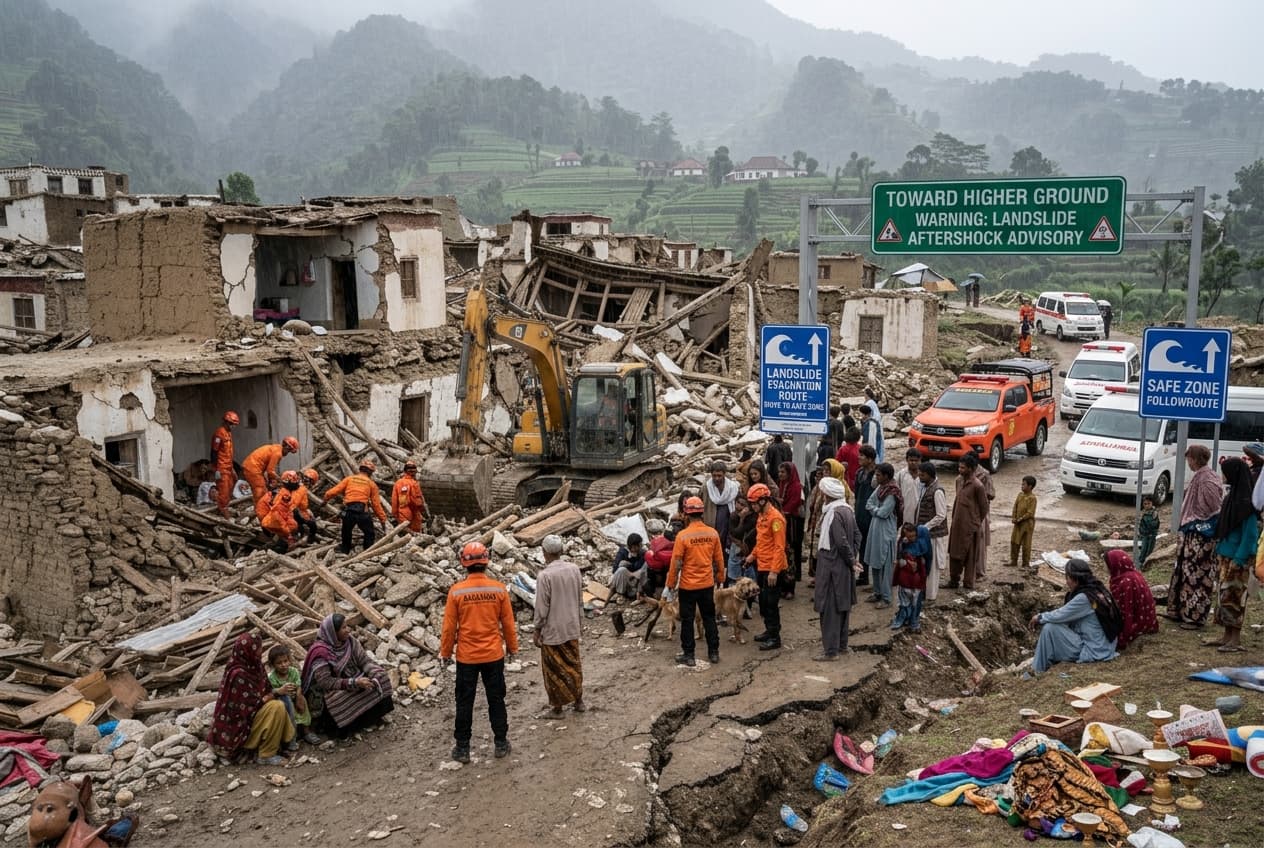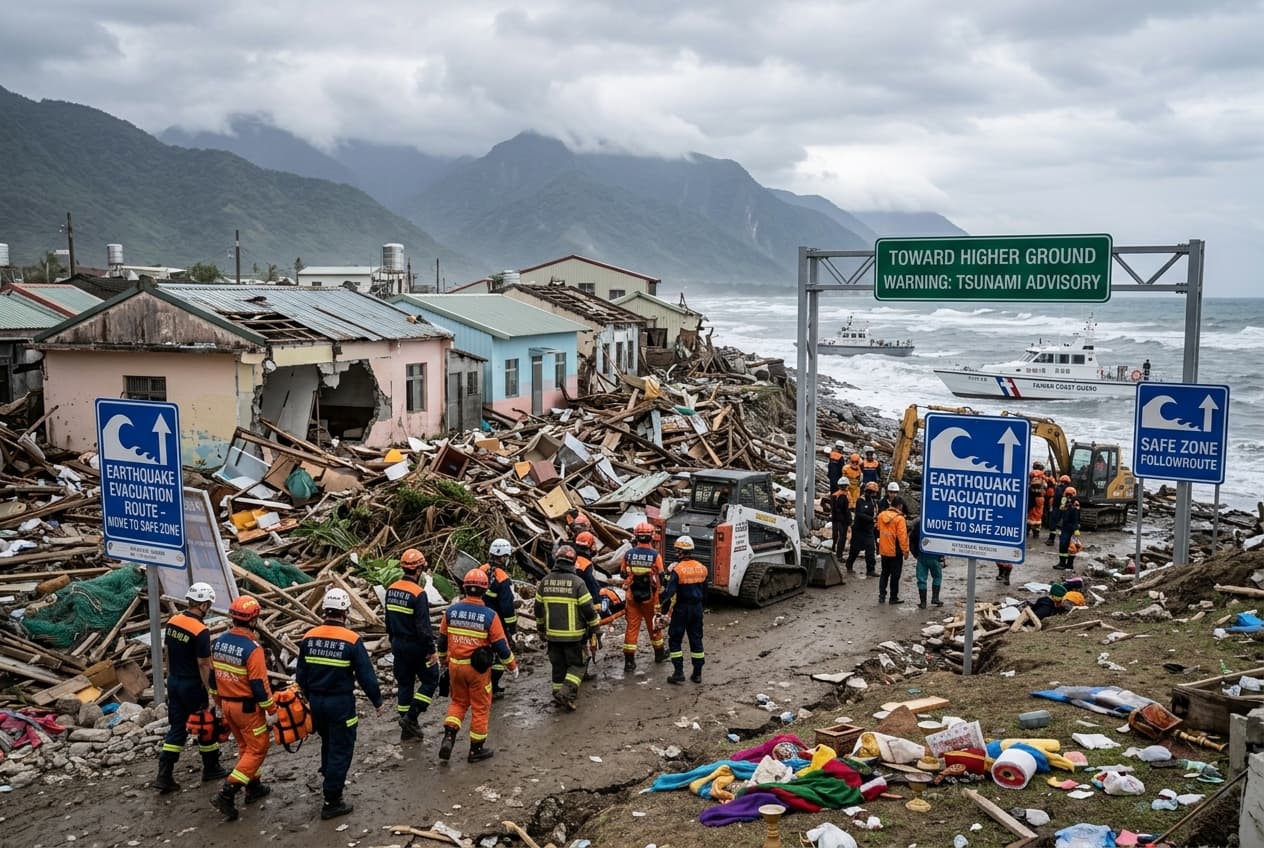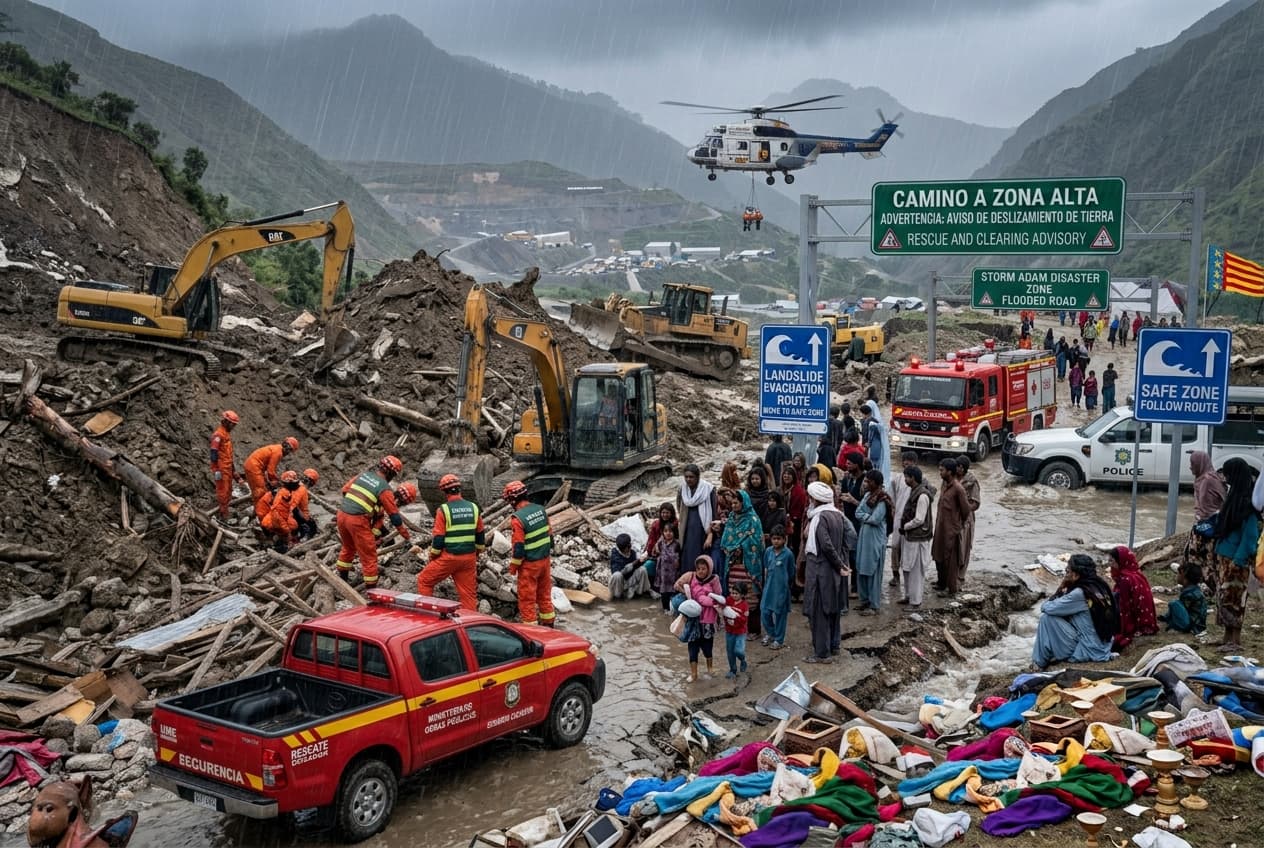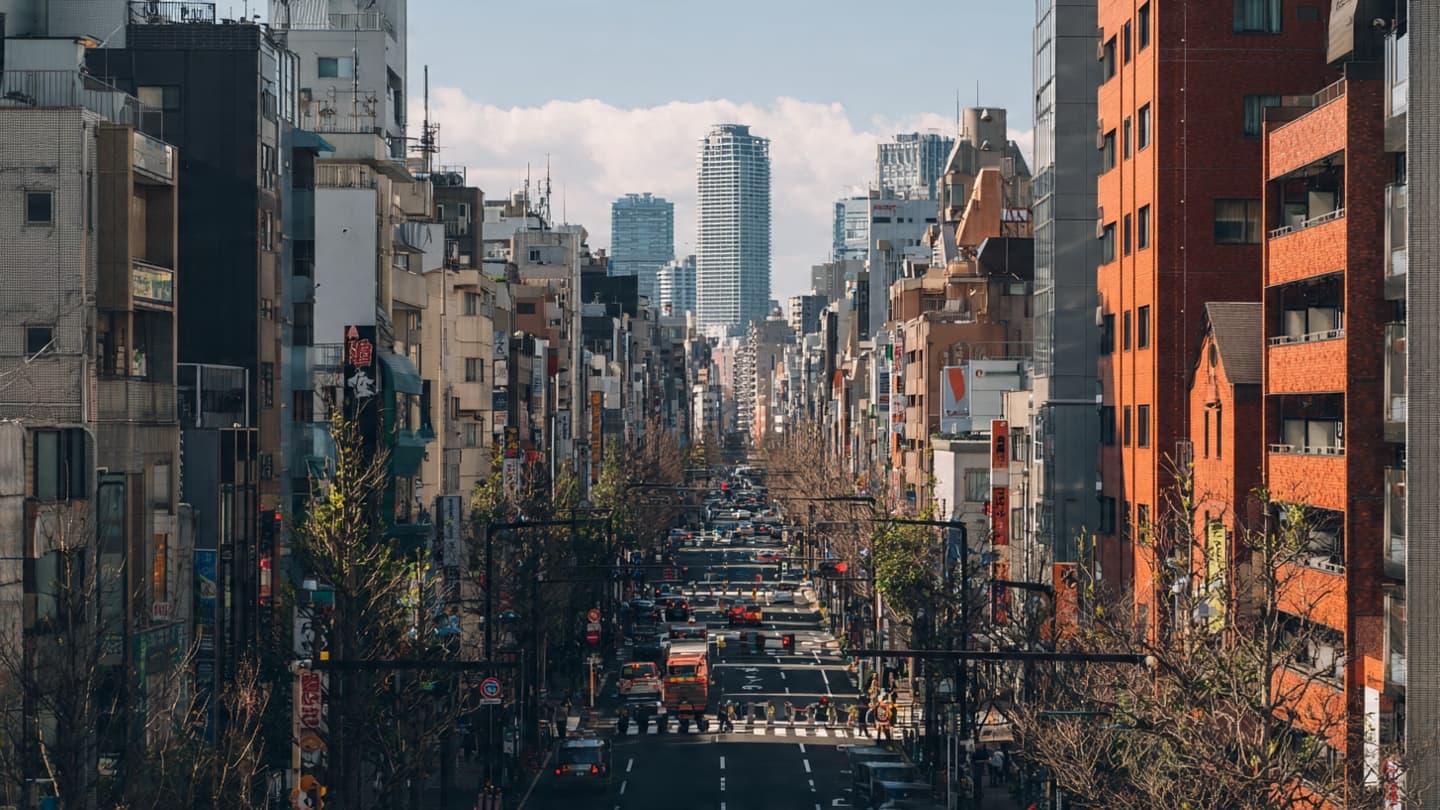
An ordinary morning can change in seconds. A glass trembles, a building begins to sway, and the familiar geometry of a room briefly loses its certainty. On August 23, that moment unfolded across eastern Japan when a magnitude 5.9 earthquake struck the region, sending a strong jolt through Tokyo and surrounding prefectures.
The earthquake was felt strongly in Tokyo and nearby areas, according to The Straits Times, while reports indicated injuries and some infrastructure damage. Authorities began assessing the situation as residents waited for further information about possible aftershocks.
Japan's geography makes such moments part of the country's lived experience. The nation sits along the Pacific Ring of Fire, where several tectonic plates meet and seismic activity is frequent. Buildings, transport networks and emergency systems are consequently designed with the possibility of sudden movement in mind.
Even with preparation, an earthquake remains difficult to predict in the immediate sense. The first movement arrives without the visual warning associated with a storm. There may be no darkening sky, no approaching front and no obvious change in the landscape before the ground itself begins to move.
The latest earthquake caused no tsunami threat, according to reports, and no abnormalities were reported at nearby nuclear power plants, including Fukushima and Tokai No. 2. Those details became important parts of the early assessment as authorities worked to determine the extent of the event.
The experience is different depending on where people are when the shaking begins. In a high-rise building, movement can feel prolonged as structures respond to the earthquake. On trains or roads, even a brief interruption can affect thousands of journeys. At home, objects falling from shelves may become the most immediate concern.
Japan's disaster-response system is built around this uncertainty. Information is gathered rapidly from monitoring stations, local authorities and emergency services, while residents are encouraged to remain alert for aftershocks. The process is partly technical and partly communal, relying on systems developed over decades of experience.
For Tokyo and the surrounding region, the event also carries a psychological familiarity. Many residents have experienced smaller tremors, and emergency drills are common in schools and workplaces. Yet familiarity does not make the physical sensation of the ground moving beneath a city any less striking.
Authorities were continuing damage assessments after the August 23 earthquake, while the Japan Meteorological Agency warned that aftershocks could occur over the following week. The immediate focus remained on injuries, infrastructure and public safety as information continued to develop.
By the end of the initial response, the earthquake had become another entry in Japan's long record of seismic events. For those who felt it, however, it was not a number on a geological chart but a sudden interruption to an ordinary day. The ground moved, the buildings answered, and eastern Japan began the familiar process of checking what remained steady.
SEO-friendly Slug japan-5-9-earthquake-eastern-japan-tokyo-august-23-2026
Hashtags #Japan #Earthquake #Tokyo #Kanto #NaturalDisaster #WorldNews #Asia
Sources The Straits Times
Published by Banx Network. This article is part of the Banx decentralized media programme, powered by the BXE token on the XRP Ledger.