At dusk along the Persian Gulf, the sea often appears deceptively calm. Cargo ships drift slowly through narrow shipping lanes while oil terminals glow against the desert night, their lights reflecting across dark water like distant constellations. Yet beneath that stillness lies one of the world’s most fragile geopolitical corridors, where memory itself has become part of diplomacy.
In Tehran, conversations about a possible agreement to end the current confrontation with the United States are unfolding beneath the weight of deep historical suspicion. Iranian officials, analysts, and political insiders have signaled that while pathways toward de-escalation may exist, distrust toward Washington remains profound — shaped not only by recent hostilities, but by decades of sanctions, broken negotiations, assassinations, military pressure, and failed understandings.
The language emerging from both capitals reflects this uneasy reality. American officials continue presenting diplomatic engagement as a route away from broader regional conflict, while Iranian leaders speak cautiously, balancing the possibility of compromise against fears that any agreement could once again unravel under shifting political winds in Washington.
In Iran, skepticism toward the United States is not confined to government circles alone. It has accumulated through generations, reinforced by moments that remain deeply embedded in national political consciousness: the 1953 coup against Prime Minister Mohammad Mosaddegh, years of sanctions that strained the economy, the collapse of the nuclear agreement after the U.S. withdrawal in 2018, and repeated episodes of regional escalation.
For many Iranians, diplomacy with Washington resembles a bridge repeatedly built and dismantled before either side fully crosses it.
Still, war carries its own unbearable costs. Recent tensions have shaken markets, disrupted shipping concerns near the Strait of Hormuz, and intensified fears across the broader Middle East that miscalculation could spiral into wider regional conflict. Even limited exchanges of force send tremors through energy markets and diplomatic alliances stretching from Europe to Asia.
Inside Tehran, the debate surrounding any potential agreement appears layered and cautious. Pragmatic voices emphasize economic relief, regional stability, and the exhaustion that prolonged confrontation imposes upon ordinary civilians already navigating inflation and international isolation. Hardline factions, meanwhile, warn against concessions they believe could expose Iran to future pressure without durable guarantees.
The atmosphere is equally complex in Washington, where policymakers must navigate domestic political divisions, regional alliances, and strategic concerns surrounding Iran’s nuclear ambitions and military influence across the Middle East. Public declarations of optimism often collide with quieter acknowledgments that trust between the two governments remains exceptionally thin.
And yet diplomacy persists precisely because distrust exists. Negotiations are rarely built upon friendship; more often, they emerge from mutual recognition that instability carries risks neither side fully controls. In the Gulf region, every military calculation now unfolds alongside economic consequences affecting shipping routes, energy prices, and global trade networks.
Beyond official statements, ordinary life continues beneath the strain of uncertainty. In Tehran, traffic moves beneath mountain haze while merchants follow currency fluctuations with anxious attention. Along Gulf coastlines, fishermen and dock workers continue routines shaped by tides rather than geopolitics, even as international headlines speak of escalation and ceasefire proposals.
The emotional geography of this conflict extends far beyond battlefields or negotiating rooms. It lives in accumulated memory — in promises once abandoned, agreements once celebrated and later discarded, and the persistent belief on both sides that strategic caution must outweigh optimism.
That is why even the possibility of an agreement arrives wrapped in hesitation. Diplomats may draft frameworks and ceasefire language, but suspicion itself cannot be negotiated away overnight. It lingers quietly inside institutions, speeches, and public imagination.
As night settles over the Strait of Hormuz, tankers continue their slow passage between coastlines watched closely by navies, satellites, and governments around the world. Somewhere in Tehran and Washington, negotiators continue measuring risks against opportunity, weighing whether exhaustion might finally overcome hostility.
And between those capitals — separated by oceans, ideology, and decades of fractured diplomacy — the possibility of peace remains suspended in the difficult space where memory and necessity meet.
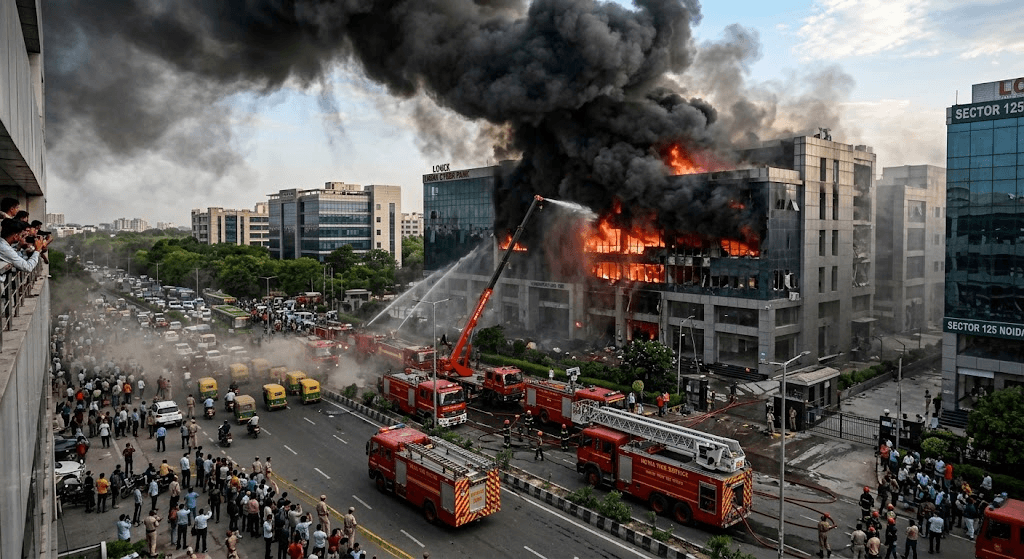
AI Image Disclaimer: Illustrative visuals for this article were generated using AI technology and do not depict real events or photographs.
Sources:
Reuters Associated Press Al Jazeera Financial Times BBC News
Published by Banx Network. This article is part of the Banx decentralized media programme, powered by the BXE token on the XRP Ledger.


.jpg&w=3840&q=75 "Intelligence Agencies Suspect Russia Is Developing Anti-Satellite Weapon to Target Starlink")