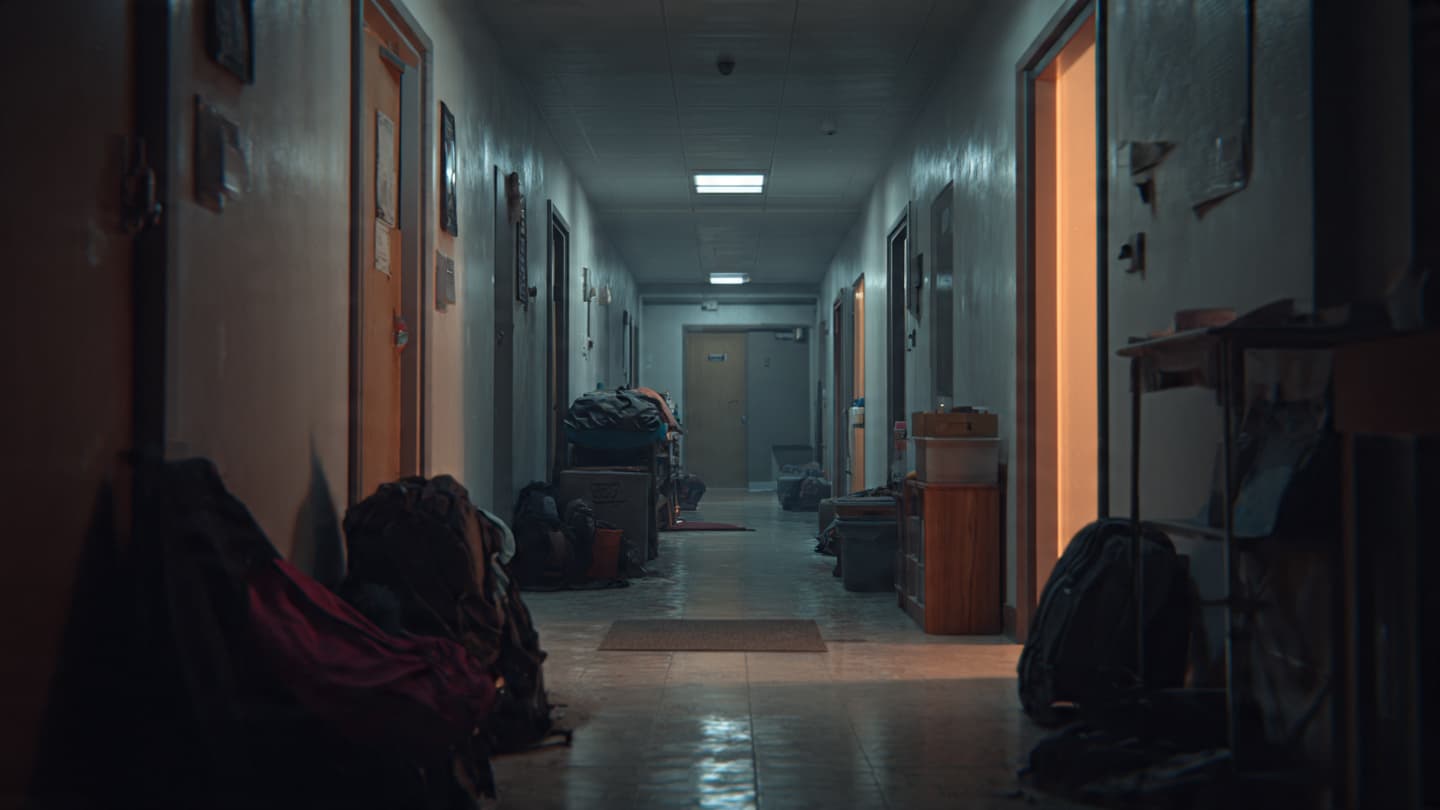
There is a particular stillness that settles over student dormitories at night. Behind narrow windows, lamps burn softly above unfinished notes and half-open books. Hallways echo with small routines — footsteps returning from late classes, kettles humming in shared kitchens, muted conversations drifting through thin walls. These spaces are built for temporary lives and future plans, for the uncertain optimism that often belongs to youth.
Yet in wartime, even the most ordinary buildings begin to carry heavier meanings.
This week, Vladimir Putin vowed retaliation after accusing Ukraine of striking a student dormitory inside Russian territory, adding another sharp edge to a conflict already marked by widening attacks and deepening hostility. Russian authorities claimed the strike targeted civilian infrastructure connected to students and residents, while Ukrainian officials did not immediately confirm the allegation.
The accusation emerged amid a broader phase of the war in which cross-border drone and missile strikes have become increasingly common. What began years earlier along front lines and contested territories has gradually expanded outward, touching transportation systems, energy facilities, military sites, and residential neighborhoods far from traditional battlefields. Geography itself now feels less stable, as though the boundaries between civilian and military space have slowly eroded.
In Russia, official reactions carried a tone of both anger and inevitability. Vladimir Putin described the reported strike as an attack demanding response, reinforcing Moscow’s long-standing narrative that Ukraine’s operations increasingly threaten civilian areas within Russia. Such statements have become part of the recurring cadence of the war: accusation followed by warning, warning followed by retaliation, each moment folding into the next with weary familiarity.
For ordinary people, however, the emotional reality of these events often unfolds far from political speeches. It emerges in interrupted sleep, hurried phone calls, and the uneasy ritual of checking messages after explosions are reported nearby. In university towns and regional cities alike, students continue attending lectures and exams while adapting to a world where air defense systems, emergency alerts, and conflict briefings have entered daily consciousness.
The dormitory itself carries symbolic weight. It is a place associated with transition — a temporary shelter between adolescence and adulthood, between dependence and independence. When such spaces appear in wartime headlines, the contrast feels especially stark. War reaches not only strategic targets, but the quieter architecture of ordinary life.
Across both Russia and Ukraine, entire generations are now experiencing adulthood through the atmosphere of prolonged conflict. Young people navigate studies, careers, and relationships while surrounded by uncertainty that stretches far beyond national borders. Train stations become evacuation routes, classrooms become shelters, and familiar streets are mapped according to risk rather than routine.
International observers continue expressing concern over the growing range and frequency of strikes inside Russian territory, as well as the likelihood of further escalation. Diplomatic progress remains limited, while military developments increasingly shape political rhetoric on all sides. At the same time, information surrounding specific incidents often remains difficult to independently verify amid competing wartime narratives.
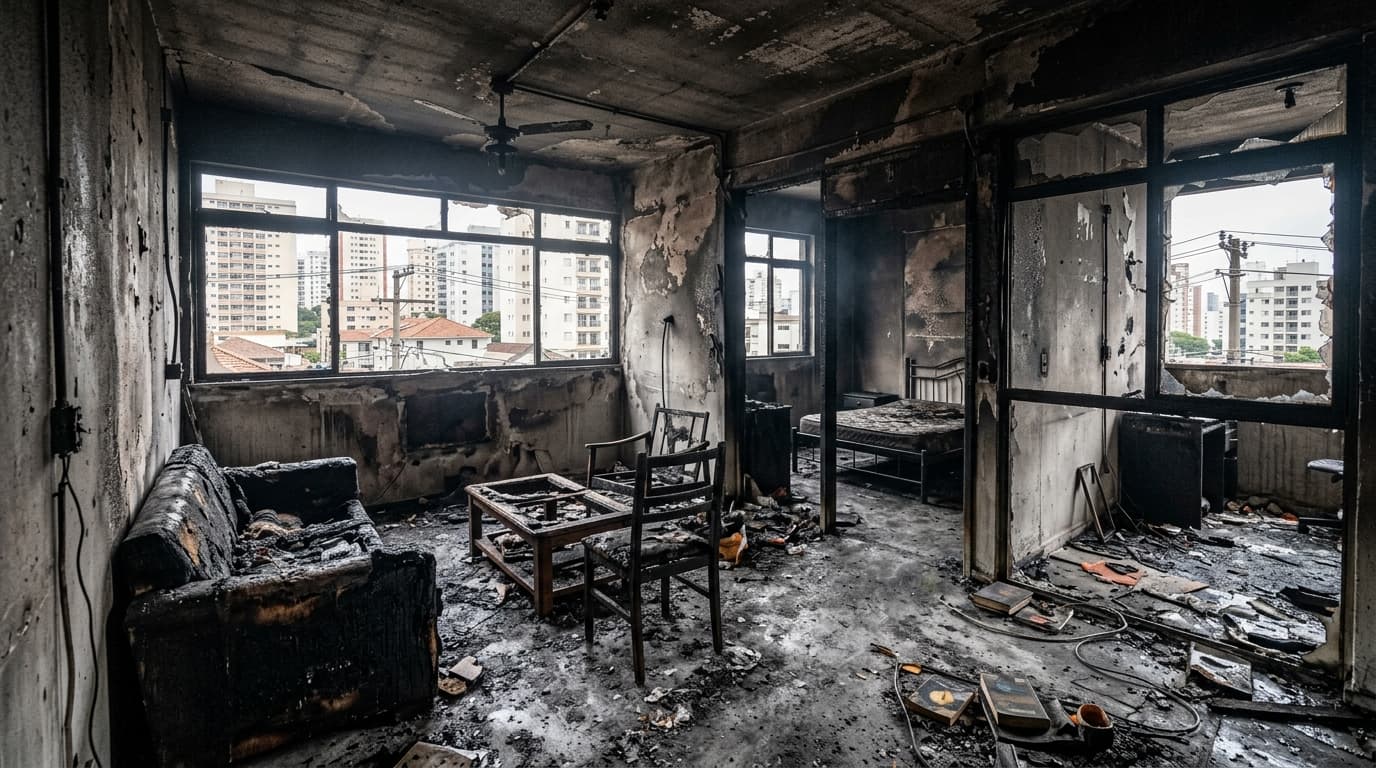
Still, beyond official claims and strategic calculations lies the quieter texture of human interruption. A damaged dormitory window, an abandoned desk lamp, a hallway left suddenly empty — these are the smaller images through which war often becomes real to distant audiences.
By the close of the day, Russian officials maintained that Ukraine was responsible for the strike and reiterated promises of retaliation. The incident added further tension to an already volatile conflict that continues reshaping life across the region. And somewhere, behind the language of governments and military briefings, students once again prepared for another uncertain night beneath winter skies.
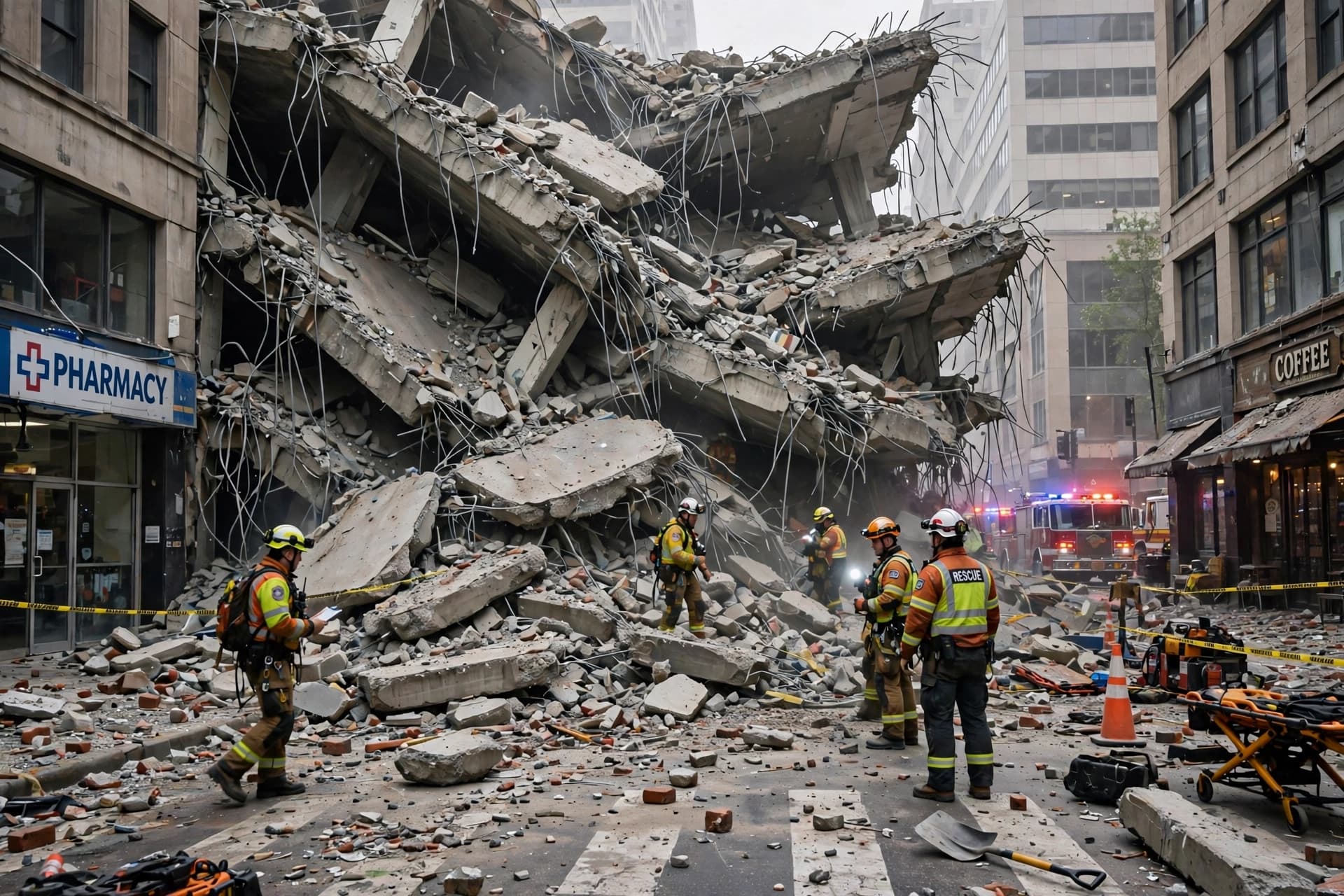
AI Image Disclaimer These illustrations were generated using AI technology and are intended as visual representations rather than authentic photographs.
Sources
Reuters Associated Press BBC News Al Jazeera The Moscow Times
Published by Banx Network. This article is part of the Banx decentralized media programme, powered by the BXE token on the XRP Ledger.