
Key Highlights
- Severe Weather:Antarctic research stations are facing intensified polar conditions.
- Monitoring Systems:Emergency weather monitoring systems have been expanded.
- Climate Concerns:Researchers warn of increasing volatility due to climate change.
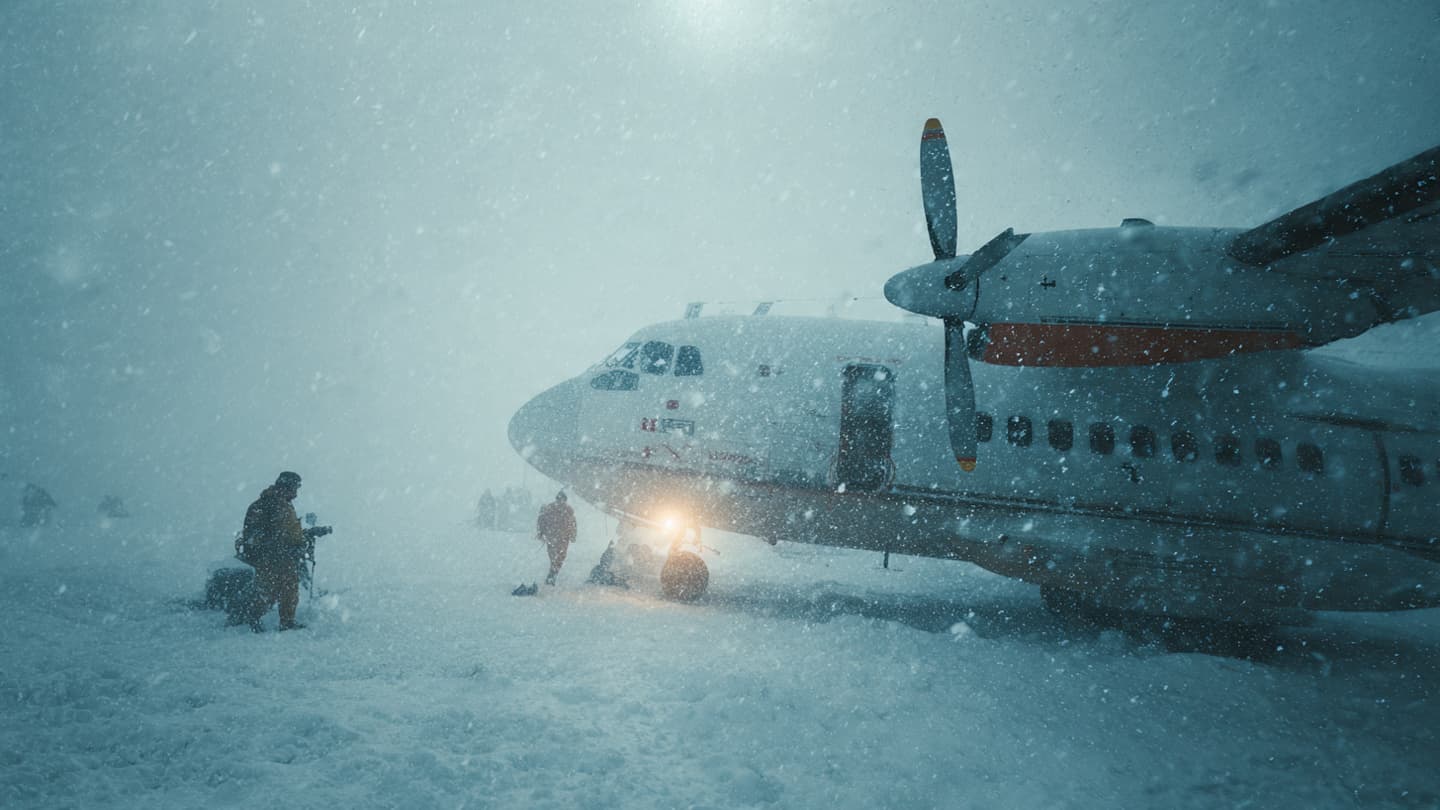
Severe weather conditions have intensified across Antarctica, impacting research stations and prompting officials to expand emergency monitoring systems. Meteorological teams reported rapidly shifting wind corridors and dangerous visibility reductions affecting transportation routes near isolated research facilities. As conditions deteriorated, logistics operations moved quickly to increase weather surveillance, reflecting growing concern over the unpredictability of recent polar weather behavior.
Aircraft crews operating near remote runways faced significant challenges as snow drifted unpredictably across landing paths. Communication systems struggled to keep pace with worsening atmospheric pressure, leading to postponed transport schedules. Field teams received updated safety guidance tied to movement across exposed ice sectors, underscoring the urgency of the situation.
Antarctica, often described as a realm beyond ordinary comprehension, presents unique dangers. Storms do not announce themselves through crowded evacuations; instead, they unfold through frozen machinery and collapsing visibility. Scientists stationed in the region reported that even routine outdoor operations became increasingly difficult as temperatures dropped sharply amid sustained storm activity.
The severe weather also highlights broader concerns regarding climate instability in polar regions. Researchers have warned that changing atmospheric patterns and warming ocean systems may contribute to increasingly volatile conditions near Antarctica. In a landscape built upon balance, even subtle environmental shifts can have significant consequences for glaciers, ice shelves, and fragile ecosystems.
Inside the research stations, routines continued despite the tension outside. Crews monitored satellite data for long hours, reviewing emergency reserves and backup systems repeatedly. The hum of generators beneath the frozen ground mixed with radio communications carrying weather updates between isolated facilities scattered across immense distances of ice and darkness.
Preparation in Antarctica becomes a quiet discipline rather than an act of alarm. Survival depends on patience, procedure, and attention to details that might disappear elsewhere. A change in wind direction, a delayed supply route, or a damaged communications line can quickly transform isolation into vulnerability.
International monitoring agencies are assessing the broader implications of the severe weather conditions while scientific teams coordinate updated forecasts and transportation advisories. Several research operations have adjusted schedules while awaiting safer environmental conditions for field activity and cargo movement across exposed regions.
Authorities confirmed that emergency weather monitoring systems will remain active as extreme polar conditions continue to affect portions of Antarctica. Additional operational updates are expected as meteorological teams evaluate ongoing atmospheric developments over the coming days.
Published by Banx Network. This article is part of the Banx decentralized media programme, powered by the BXE token on the XRP Ledger.



