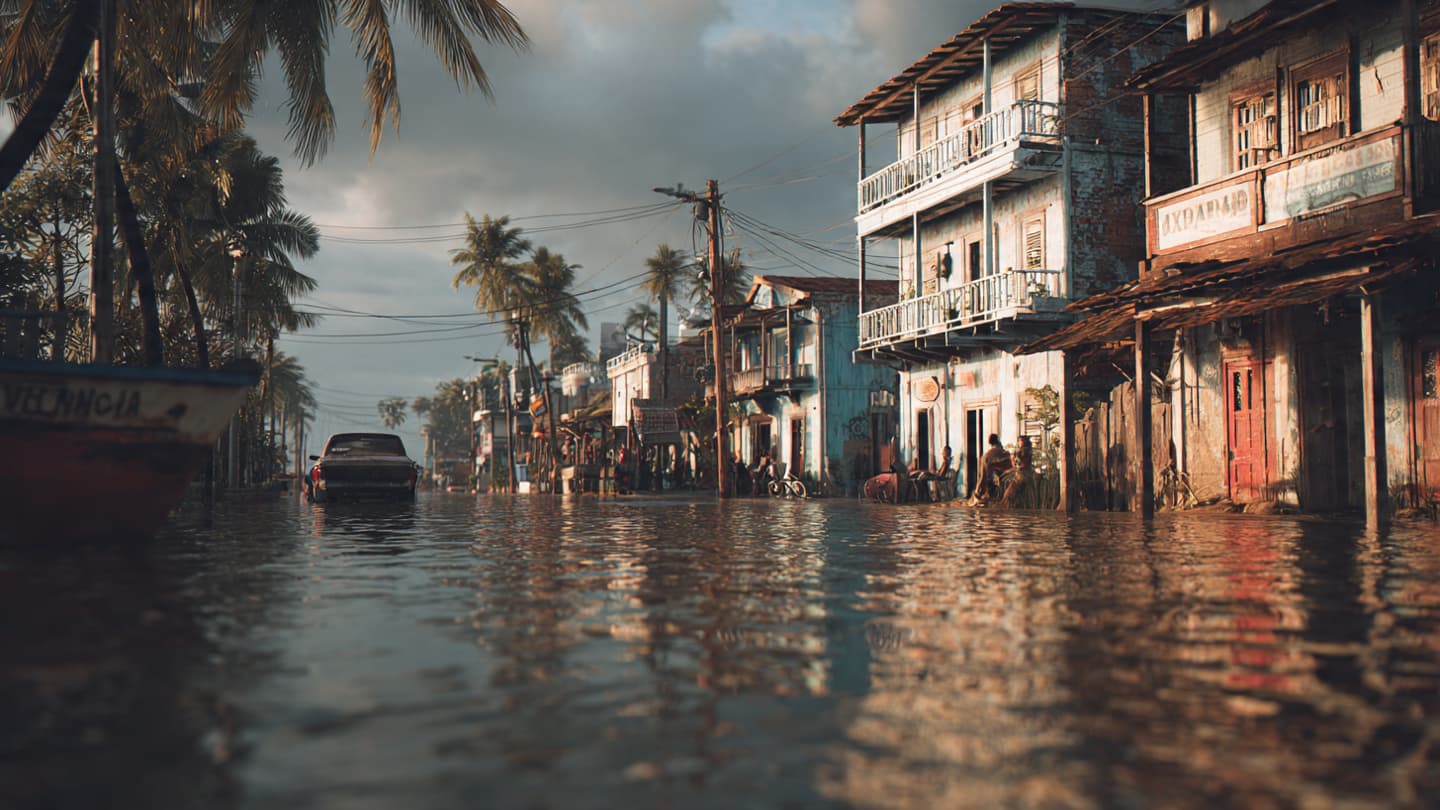
Rain moved across Colombia’s Caribbean coastline in dense gray sheets, swallowing roads, palm trees, and entire neighborhoods beneath water that seemed to rise without pause. Along coastal towns where music and sea air usually filled the evenings, silence settled instead around flooded streets and darkened storefronts. The storm arrived with the heavy certainty of something long feared yet impossible to fully prepare for.
Tropical storm systems triggered severe flooding across portions of Colombia’s Caribbean coast this week, displacing residents and disrupting transportation networks throughout multiple coastal communities. Authorities reported widespread inundation after intense rainfall combined with swollen rivers and poor drainage conditions across low-lying urban and rural areas.
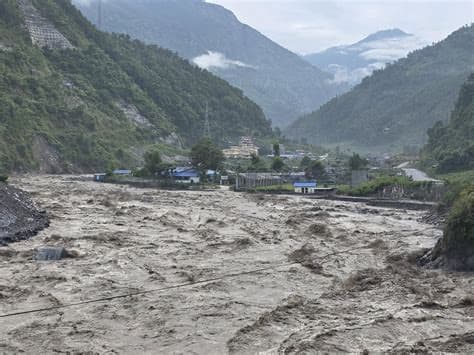
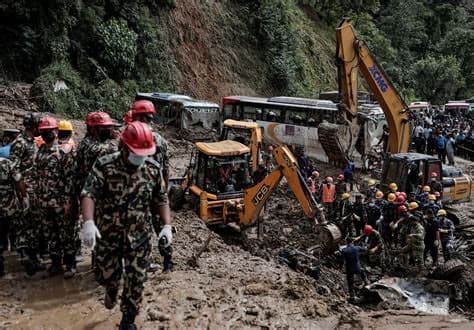
Emergency response teams were deployed to assist families trapped by rising floodwaters while local officials coordinated evacuations from neighborhoods facing dangerous overflow conditions. Several roads became impassable after muddy currents swept across transportation corridors linking coastal districts. In some areas, schools and municipal buildings were temporarily converted into emergency shelters for displaced residents.
Witnesses described floodwaters entering homes rapidly during overnight rainfall, leaving furniture, appliances, and personal belongings submerged beneath thick brown water. Along portions of the coastline, storm-driven waves intensified coastal erosion and increased pressure on already vulnerable infrastructure. Utility outages were also reported across several districts as emergency crews struggled to restore damaged services during continuing rainfall.
The flooding once again highlighted the fragile relationship between Caribbean weather systems and coastal communities across northern Colombia. Environmental agencies have repeatedly warned that climate instability may contribute to stronger rainfall events capable of overwhelming drainage systems and river management infrastructure. In densely populated lowland areas, even short periods of concentrated rainfall can escalate quickly into humanitarian emergencies.
Still, amid the destruction, moments of quiet resilience appeared throughout affected neighborhoods. Residents formed lines to carry supplies through flooded streets while rescue crews navigated narrow waterways using inflatable boats and emergency vehicles. Families waited together inside temporary shelters listening to rain continue against metal roofs late into the night.
Meteorologists monitoring the storms warned that additional rainfall bands could prolong flood risks across parts of the Caribbean coast over coming days. Authorities urged residents living near rivers and unstable hillsides to remain alert for possible landslides and sudden water surges linked to saturated ground conditions.
Regional disaster agencies also raised concerns over the long-term recovery burden facing coastal communities repeatedly struck by severe flooding. Damage to roads, fishing infrastructure, and local businesses may require extended rebuilding efforts in areas already coping with economic strain tied to previous weather-related disasters.
By late evening, emergency operations remained active across multiple Colombian coastal districts as authorities continued assessing flood damage and displacement figures. Weather monitoring agencies stated that unstable storm conditions could persist throughout portions of the region in the days ahead.
Published by Banx Network. This article is part of the Banx decentralized media programme, powered by the BXE token on the XRP Ledger.