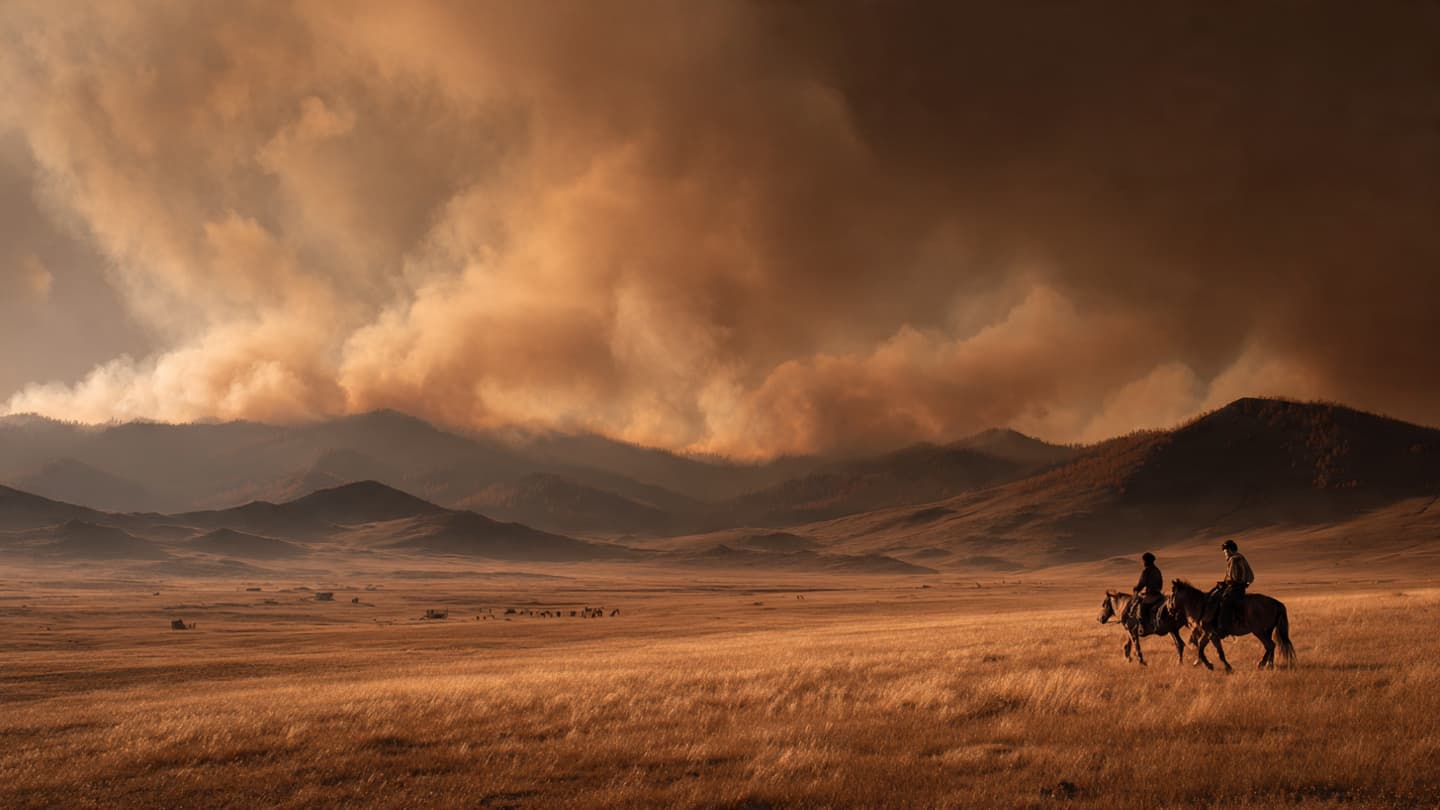
The grasslands stretched endlessly beneath Mongolia’s pale sky, quiet and open in a way that made even distant smoke visible for miles. Across the steppe, the wind carried the scent of dry earth mixed with rain from storms forming beyond the horizon. In recent years, the country’s seasons have grown increasingly unpredictable, shifting suddenly between drought, wildfire, floodwater, and bitter cold, leaving communities suspended between extremes.
Mongolia expanded its wildfire and flood preparedness systems this week following growing concerns over rising disaster risks linked to climate instability and severe environmental conditions. Government agencies announced updated emergency coordination measures aimed at improving response capacity across vulnerable rural and urban regions increasingly affected by seasonal disasters.
Officials stated that preparedness efforts include strengthened wildfire monitoring, expanded evacuation planning, and upgraded flood response systems designed to support communities exposed to rapid environmental shifts. Emergency management teams also reviewed infrastructure resilience and communication networks following a series of recent weather-related incidents affecting transportation corridors and agricultural areas.
Wildfires have become an increasing concern across Mongolia’s dry grasslands and forest regions, where strong winds and prolonged drought conditions can allow flames to spread rapidly across vast distances. Authorities warned that warmer temperatures and reduced soil moisture continue heightening fire risks in several provinces, threatening livestock, homes, and natural ecosystems central to rural livelihoods.
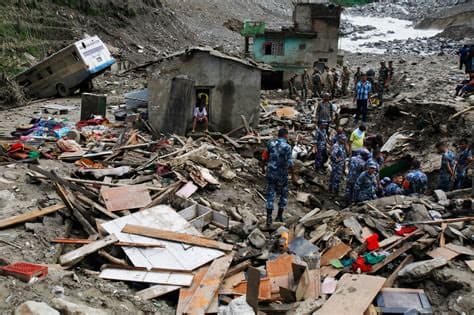
At the same time, intense seasonal rainfall and rapid snowmelt have contributed to growing flood dangers in parts of the country. Urban districts and remote settlements alike have experienced infrastructure strain as rivers overflow and drainage systems struggle beneath sudden surges of water. Environmental experts noted that Mongolia’s changing climate patterns now produce sharper swings between dry and wet extremes, complicating long-term disaster planning.
Residents in affected areas described preparations unfolding through practical routines shaped by experience. Fire crews inspected equipment while local authorities coordinated emergency drills and reviewed shelter procedures. Along riverbanks vulnerable to seasonal flooding, workers reinforced barriers and monitored water levels beneath skies alternating between dust-filled heat and heavy storm clouds.
The country’s expanding preparedness systems also reflected concern over the economic consequences of recurring natural disasters. Livestock losses, damaged infrastructure, and disrupted transportation routes continue placing pressure upon rural communities heavily dependent upon agriculture and seasonal mobility across vast landscapes. Disaster recovery in remote areas often becomes especially difficult due to distance and limited logistical access.
Despite those challenges, daily life moved steadily across the steppe. Herds crossed open grasslands while trains rolled slowly through remote corridors beneath distant mountains. Yet beneath the familiar rhythms remained a growing awareness that Mongolia’s environment is becoming harder to predict, with each season carrying new uncertainty tied to weather extremes.
Authorities confirmed that emergency preparedness operations and environmental monitoring programs will continue expanding throughout high-risk regions. Additional wildfire and flood prevention measures are expected ahead of peak seasonal conditions later this year.
Published by Banx Network. This article is part of the Banx decentralized media programme, powered by the BXE token on the XRP Ledger.