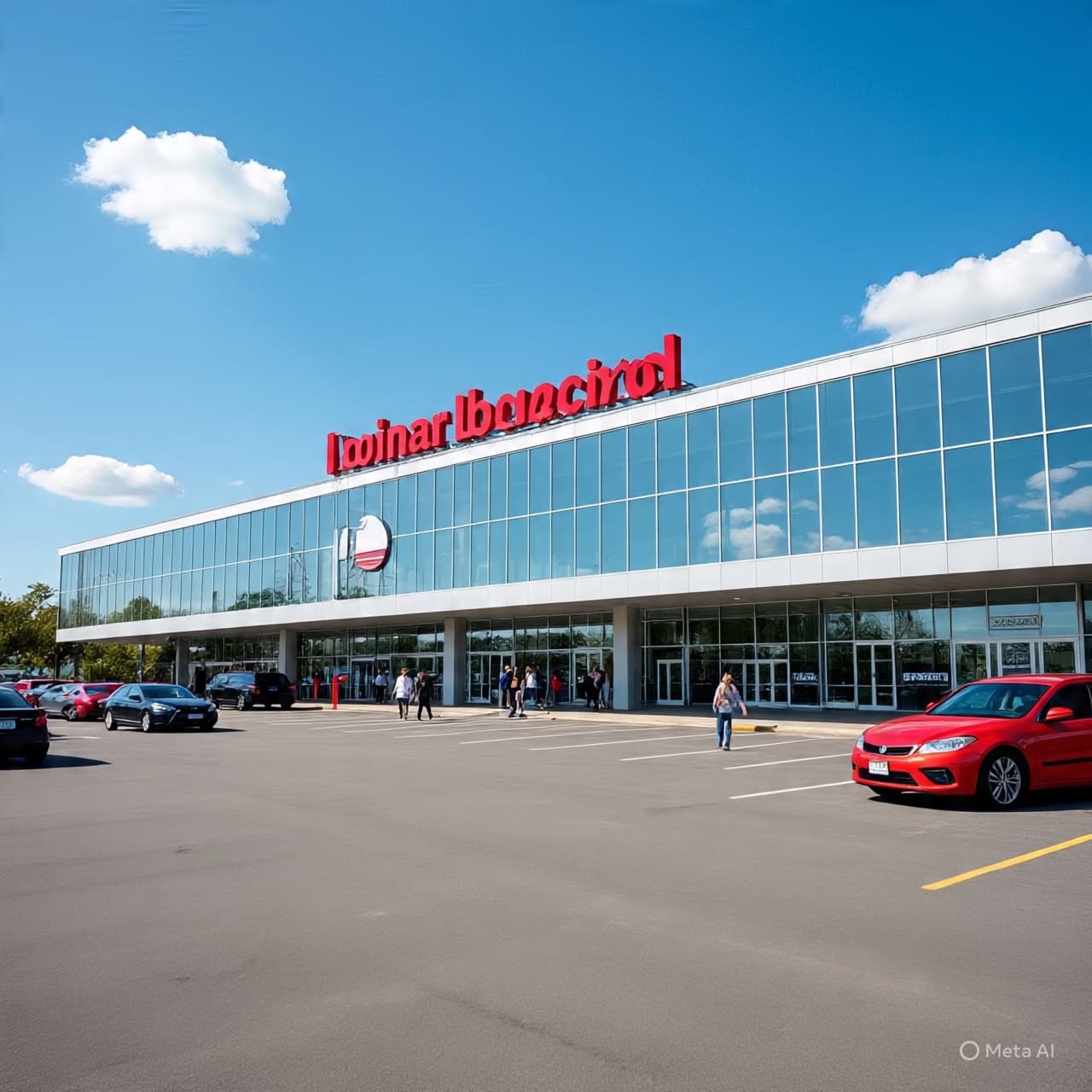
At the edge of town, beneath broad red lettering and a sweep of automatic doors, the rhythm of retail hums on. Carts click against pavement. Fluorescent light spills across polished floors. Shelves hold the small urgencies of daily life — detergent and school supplies, lamps and linens — arranged in rows that feel both ordinary and essential.
It is here, in these vast indoor landscapes, that Target now turns its attention. The company has announced plans to spend billions of dollars in the coming years to refresh hundreds of stores, open new locations, and strengthen its supply chain. Alongside the construction dust and fresh coats of paint, it intends to hire thousands of additional workers, expanding staffing across stores and distribution centers.
The investment signals a belief in the continued importance of physical retail at a time when shopping habits remain divided between screens and storefronts. Executives have described a strategy focused on modernizing layouts, improving product displays, and upgrading back-end logistics to better manage inventory and speed delivery. Some locations will see expanded grocery sections; others will undergo redesigns intended to make navigation easier and checkout lines shorter.
In recent quarters, Target has faced a shifting retail landscape marked by cautious consumer spending, heightened competition, and pressure on discretionary purchases. Like many national chains, it has adjusted inventory levels and pricing strategies to respond to inflation and changing demand. The new spending plan suggests a longer horizon — one that looks beyond immediate headwinds toward structural renewal.
Hiring more workers forms a central part of that approach. Additional store employees and supply chain staff are expected to support extended services, manage replenishment more efficiently, and maintain the in-store experience the company sees as central to its brand. Distribution networks are also slated for upgrades, aimed at smoothing the path from warehouse to checkout counter.
The scale of the investment runs into the billions over multiple years, reflecting one of the larger capital commitments in the company’s recent history. Target operates nearly 2,000 stores across the United States, and the refresh program is expected to touch a significant portion of that footprint, alongside dozens of new openings.
Retail, for all its familiarity, is rarely static. Aisles are rearranged. Fixtures are replaced. Staff shifts change with the seasons. What appears steady from the outside often conceals constant adjustment within. In announcing its plan, Target framed the effort as a reaffirmation of its stores as community hubs — places not only of transaction, but of routine and return.
The company’s multibillion-dollar investment will unfold over the next several years, funding store remodels, new openings, supply chain improvements, and expanded hiring. Executives say the initiative is designed to position Target for long-term growth in a competitive retail environment.
AI Image Disclaimer Illustrations were created using AI tools and are not real photographs.
Sources (Media Names Only) Reuters Bloomberg CNBC The Wall Street Journal Associated Press
Published by Banx Network. This article is part of the Banx decentralized media programme, powered by the BXE token on the XRP Ledger.