
Key Highlights
- China outlines ambitious green energy targets in its latest five-year plan.
- Solar and wind power are becoming central to the country's energy framework.
- The transition includes a focus on efficiency, storage, and global market influence.
China's energy landscape is undergoing a significant transformation as the nation embraces a more sustainable future. In its latest five-year plan, the Chinese government has set forth ambitious targets aimed at expanding renewable energy sources, particularly solar and wind power. This shift marks a pivotal moment in the country’s approach to energy generation, moving away from its historical reliance on coal towards a more diversified and environmentally friendly energy portfolio.
The new plan emphasizes not only the capacity for renewable energy generation but also the integration of these sources into the existing energy framework. Solar and wind power, once considered supplementary, are now positioned at the forefront of China's energy strategy. This change reflects a broader recognition of the need to balance economic growth with environmental sustainability, especially as China grapples with its status as the world's largest energy consumer and greenhouse gas emitter.
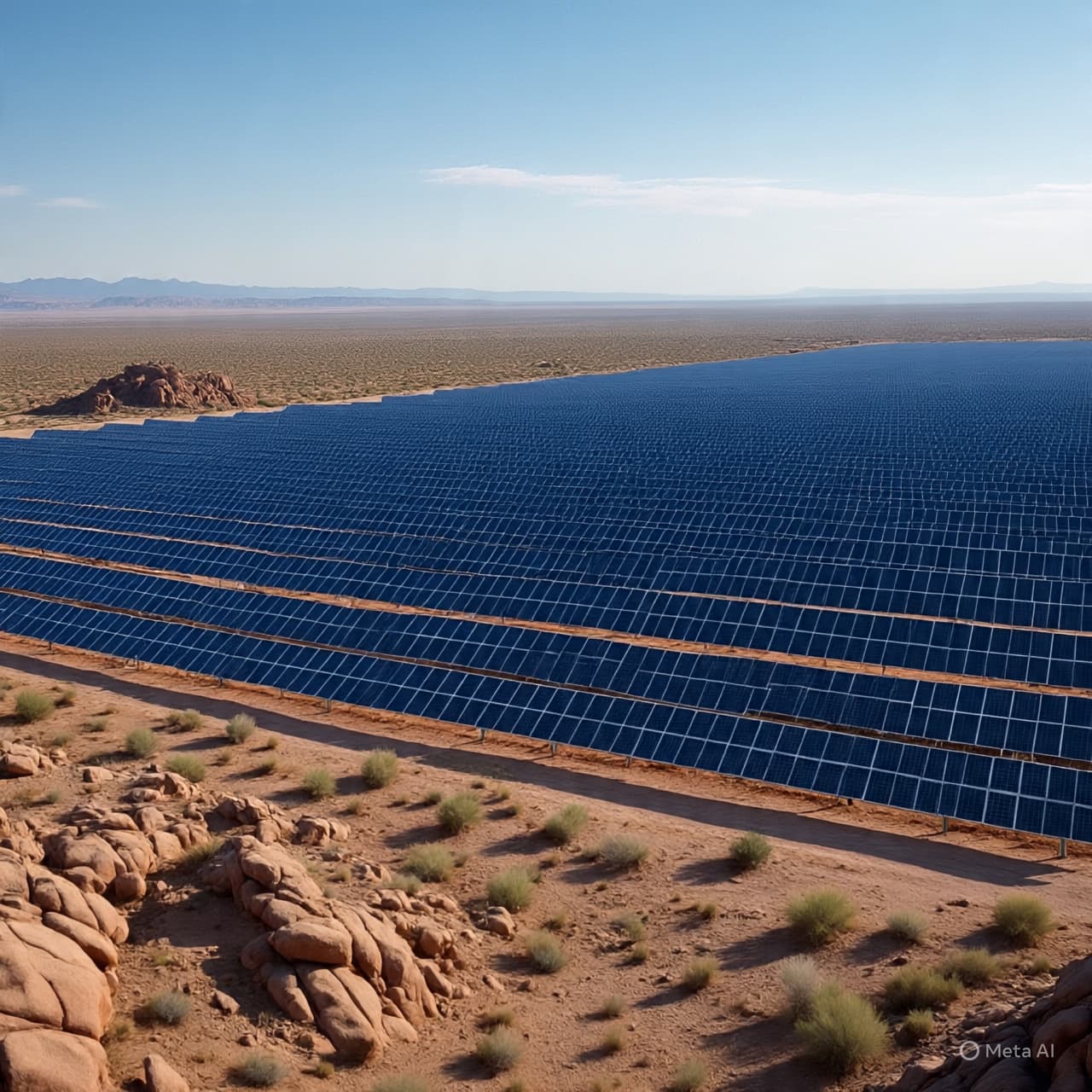
Large-scale renewable energy projects are proliferating across China, particularly in regions with abundant sunlight and wind. Vast desert areas are being repurposed for solar farms, while offshore and inland wind installations are expanding their reach. These developments are supported by advancements in grid technology, which are making the energy infrastructure more flexible and capable of accommodating the intermittent nature of renewable sources.
However, the transition to greener energy is not an abrupt departure from the past. Coal remains a significant component of China's energy mix, and the government is taking a measured approach to ensure stability during this transition. Existing coal infrastructure will continue to operate alongside new renewable projects, allowing for a gradual shift rather than a sudden overhaul.
In addition to generation capacity, the focus is also shifting towards improving energy efficiency and storage solutions. Innovations in battery technology and grid management are becoming increasingly vital as they address the challenges posed by renewable energy's variability. The ability to store excess energy and distribute it effectively is crucial for maximizing the benefits of solar and wind power.
China's influence extends beyond its borders, as it is one of the largest investors in renewable technology globally. The direction of its energy policies has significant implications for international markets, shaping supply chains and pricing structures. As other countries look to transition to greener energy, China's approach may serve as both a model and a point of competition.
Despite the ambitious goals outlined in the five-year plan, challenges remain. The pace of change, ongoing reliance on fossil fuels, and the complexities of implementing new technologies are all factors that will influence the success of these initiatives. The journey towards a greener future is ongoing, and while ambition is a critical component, it must be matched by tangible progress.
As the sun sets over China's bustling cities, the sources of energy that illuminate them are beginning to evolve. This gradual transformation signifies a new chapter in China's energy narrative, one that is increasingly defined by sustainability and innovation. The future of energy in China is being shaped not just by policy documents, but by the quiet expansion of renewable resources that promise to redefine the landscape of energy consumption in the years to come.
Published by Banx Network. This article is part of the Banx decentralized media programme, powered by the BXE token on the XRP Ledger.



