In the quiet stretch before dawn, when light hesitates at the edge of the horizon, the world can feel briefly suspended. News travels differently at such hours — softer in tone, yet heavier in meaning. Screens illuminate darkened rooms; conversations pause mid-sentence; the ordinary rhythm of life slows to absorb what has been said.
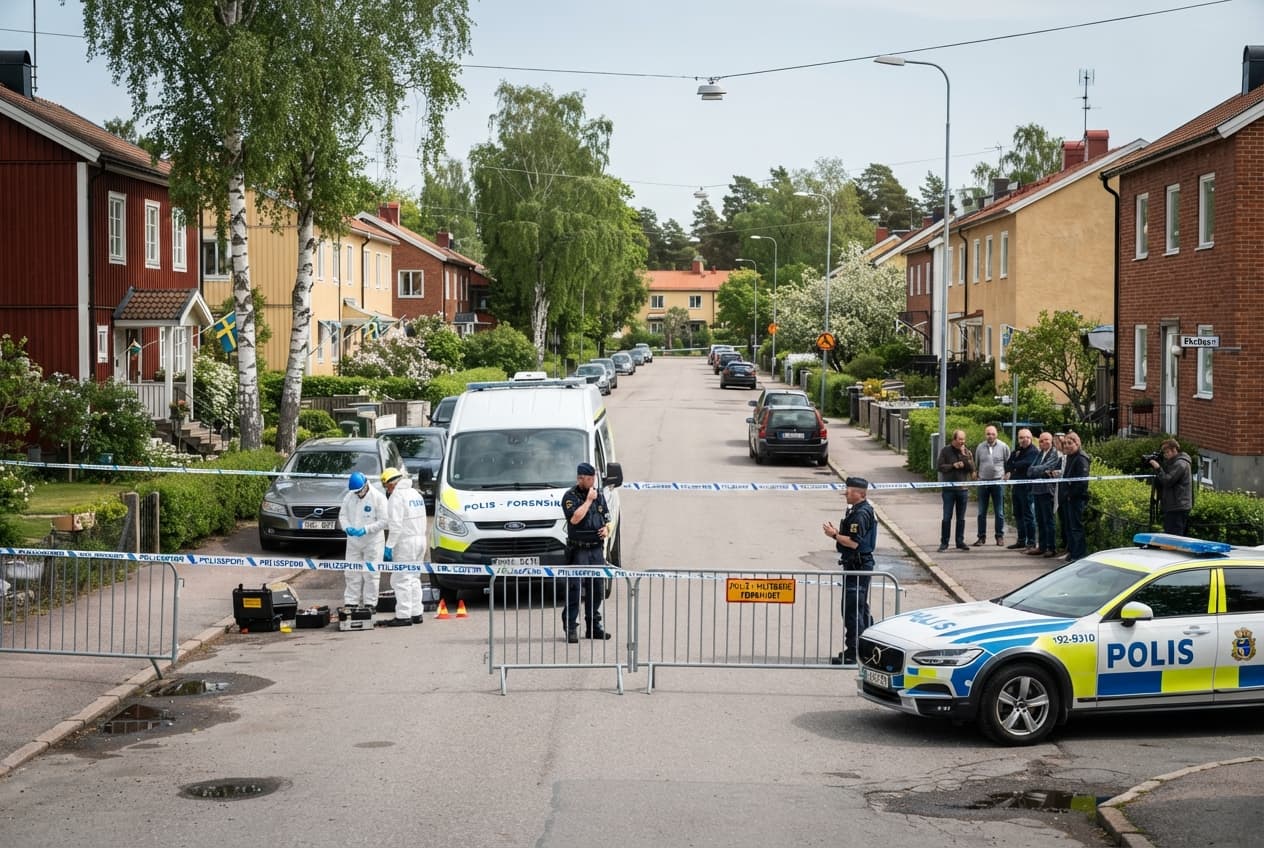
This week, the pause came with confirmation that American service members were killed in a drone attack amid escalating hostilities in the Middle East. The announcement moved swiftly from military briefings to households across the country, carrying with it the familiar and solemn cadence reserved for loss in uniform.
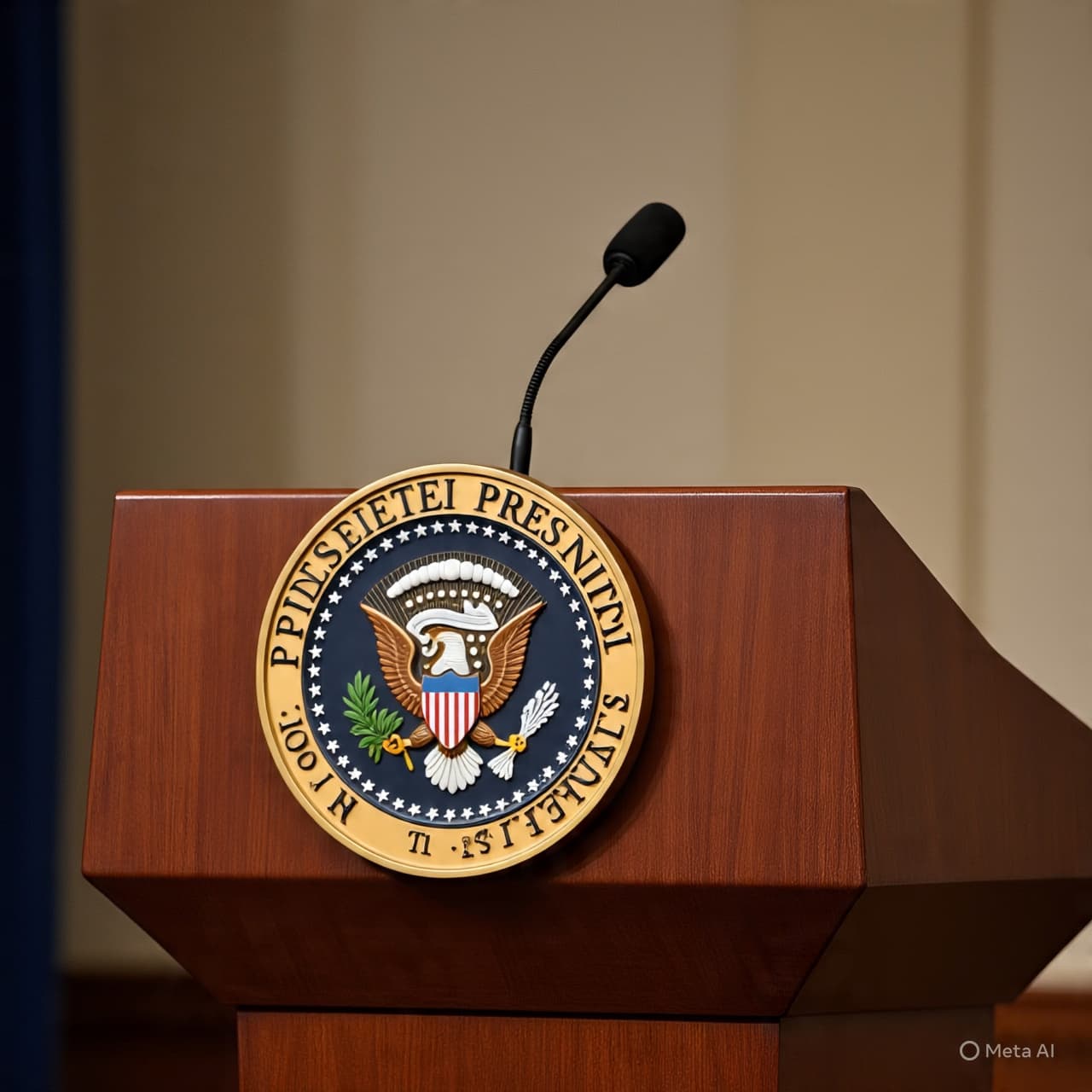
Speaking from Washington, President Donald Trump acknowledged the deaths and stated that the United States would respond. His remarks were measured but firm, framed as both tribute and warning. He described the fallen as patriots and indicated that retaliation would follow, signaling that the current military engagement would not pause in the face of casualties.
The drone attack, attributed by U.S. officials to forces aligned with Iran, marks a significant escalation in an already widening confrontation. In recent days, exchanges of strikes and counterstrikes have drawn regional actors into closer proximity, tightening an arc of tension that stretches across bases, airspace, and contested waters. Military officials confirmed multiple fatalities and injuries among U.S. personnel, though operational details remain limited.
For many Americans, the words “retaliation” and “drone attack” arrive layered with distance and immediacy at once. They describe events unfolding thousands of miles away, yet they reach directly into living rooms and onto front pages. The geometry of modern conflict — where unmanned aircraft traverse borders and responses are calibrated in hours rather than weeks — compresses geography into a narrow band of consequence.
In the broader region, embassies monitor security conditions and allied governments assess next steps. Markets fluctuate, airspace advisories shift, and commanders review strategic options. The language of official statements remains deliberate, emphasizing both resolve and proportionality.
History offers many moments when loss has altered the tempo of events. The passing of service members in hostile action often becomes a hinge point — a moment that compels reaffirmation of objectives and recalibration of force. Yet even within this gravity, there is an undertone of restraint, a recognition that each decision carries its own arc of consequence.
In direct terms, U.S. officials confirmed that American service members were killed in a drone attack amid ongoing hostilities in the Middle East. President Trump stated that the United States will retaliate in response to the deaths. Military operations in the region continue, and further developments remain possible as the situation evolves.
AI Image Disclaimer
Illustrations were created using AI tools and are not real photographs.
Sources (Media Names Only)
Associated Press Reuters The New York Times CNN BBC News
Published by Banx Network. This article is part of the Banx decentralized media programme, powered by the BXE token on the XRP Ledger.