
Key Highlights
- Jimmy Lai sentenced to 20 years in prison, impacting Hong Kong's media landscape.
- The ruling reflects the tightening grip of the national security law.
- Lai's case symbolizes the broader struggle for freedom of expression in Hong Kong.
In a significant legal development, pro-democracy media tycoon Jimmy Lai has been sentenced to 20 years in prison, a ruling that reverberates across Hong Kong's political and social landscape. The sentence, delivered in a courtroom near Victoria Harbour, underscores the ongoing transformation of the city’s public discourse, which has been increasingly stifled under the national security law enacted in 2020. This law has fundamentally altered the parameters of free speech and assembly, leading to a chilling effect on dissent.
Lai, who fled mainland China as a child, built a formidable media empire that became synonymous with bold journalism and outspoken criticism of the government. His newspapers, once a staple of daily life in Hong Kong, provided a platform for voices that challenged the status quo. However, the introduction of the national security law has redefined the landscape, with authorities framing Lai's journalistic endeavors as threats to state security. The court's decision to impose a lengthy prison sentence reflects a broader crackdown on dissenting voices in the city.
The trial, which unfolded over several months, was closely monitored by international observers who expressed concern over the implications for freedom of the press in Hong Kong. While the verdict was anticipated by many, the emotional weight of the sentence cannot be understated. Twenty years is not merely a punitive measure; it represents a significant loss of time for Lai, his family, and the city that has come to rely on his fearless reporting.
Outside the courtroom, the atmosphere was subdued. The absence of large crowds or vocal protests highlights the growing apprehension among citizens regarding public gatherings, a sentiment that has taken root since the implementation of the national security law. Local officials defended the ruling as a necessary enforcement of the law, while critics argue it signifies a further erosion of the freedoms that once defined Hong Kong.
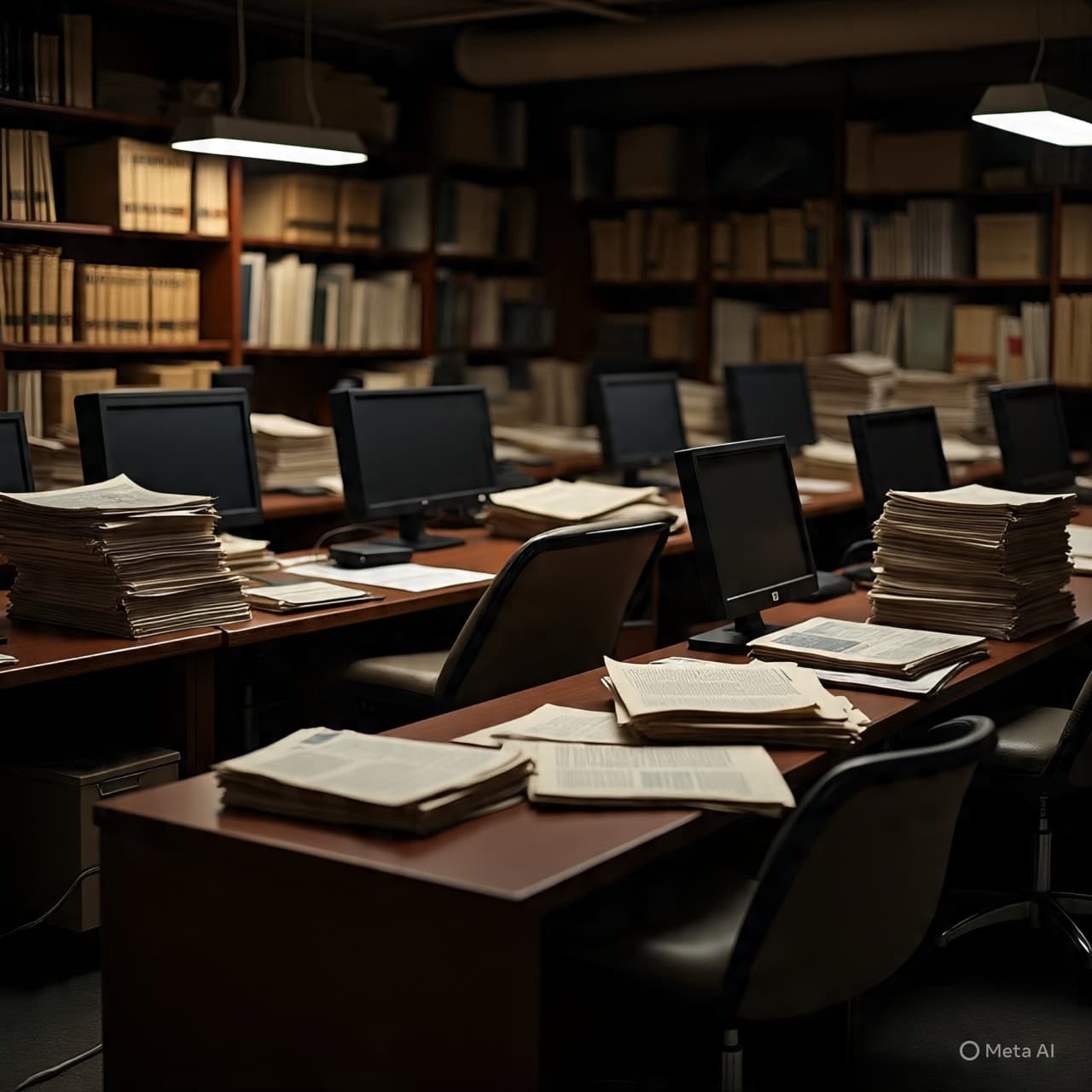
As the sun sets over the harbor, the neon lights of Nathan Road flicker to life, casting a glow on a city that continues to pulse with energy yet feels the weight of its changing reality. The jailing of Jimmy Lai does not signify the end of Hong Kong's story; rather, it marks a pivotal moment in a narrative that is increasingly characterized by silence and restraint. Newsrooms that once buzzed with activity now operate under the shadow of caution, as journalists navigate the delicate balance between reporting the truth and adhering to the new legal constraints.
In the coming years, the impact of Lai's sentence will likely resonate beyond the courtroom. As the city grapples with its identity in the face of tightening restrictions, the struggle for freedom of expression remains a critical issue. The legacy of Jimmy Lai, a figure emblematic of Hong Kong's vibrant media landscape, will continue to influence the discourse surrounding democracy and human rights in the region. As time marches on, the echoes of his voice will linger, reminding the world of the ongoing fight for a more open and free society.
Published by Banx Network. This article is part of the Banx decentralized media programme, powered by the BXE token on the XRP Ledger.



