There are nights in the Middle East when the air holds its breath. The desert, vast and patient, listens to the hum of distant engines and the low murmur of radar screens. Runways glow beneath artificial light, and ships rest in warm waters, their silhouettes steady against the horizon. It is a region accustomed to tension, where calm and volatility exist side by side like twin currents beneath the same sea.
Imagine, then, a sudden claim: that Iran has struck fourteen U.S. military bases across the region. Not one installation, not a symbolic target, but a broad arc stretching across countries and coastlines. The statement alone would send tremors through diplomatic corridors and trading floors alike.
In such a scenario, the geography matters. U.S. military installations are scattered across the Middle East — in Qatar, Bahrain, Kuwait, Iraq, Jordan, the United Arab Emirates, and beyond. They form a lattice of logistics hubs, airfields, naval ports, and command centers. Some are vast and heavily fortified; others operate with a lighter footprint. Together, they represent both presence and deterrence.
If multiple bases were struck simultaneously, even with limited physical damage, the symbolism would eclipse the immediate tactical outcome. A coordinated attack on that scale would suggest escalation beyond proxy skirmishes or isolated missile launches. It would indicate intent to confront not just policy, but posture.
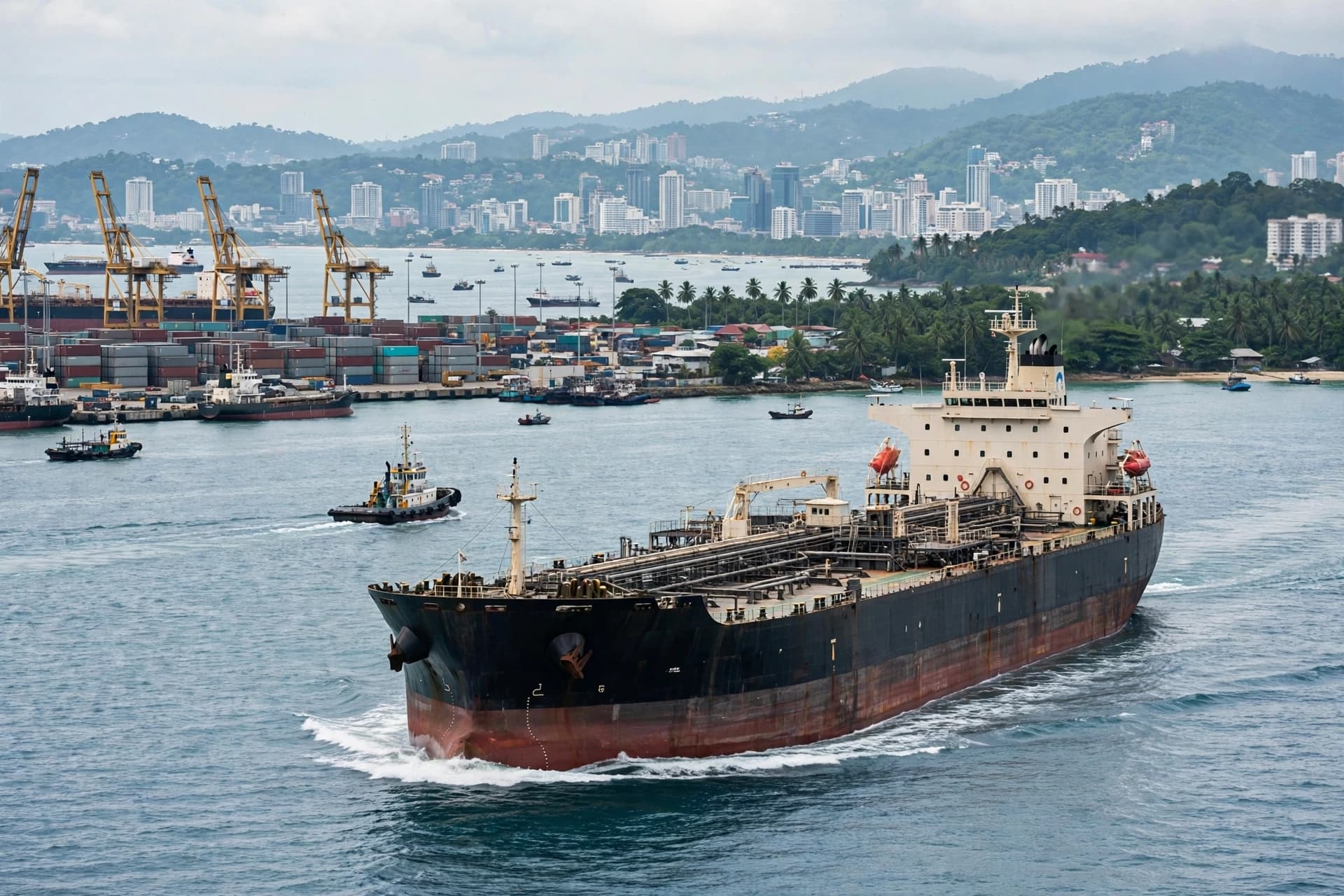
Oil markets would likely respond first. The Strait of Hormuz, that narrow maritime corridor through which a significant share of global oil passes, would loom large in traders’ calculations. Insurance rates for tankers could rise overnight. Brent crude might surge sharply, reflecting not confirmed supply loss but anticipated risk. Energy companies’ shares could climb in tandem, buoyed by higher price expectations.
Equity markets more broadly might open lower, reacting to uncertainty rather than arithmetic. Investors tend to seek shelter in U.S. Treasurys, gold, and the dollar during sudden geopolitical shocks. Defense contractors could see gains, while airlines and industries sensitive to fuel costs might falter. The first hours would likely be marked by volatility rather than clarity.
Yet the deeper impact would hinge on response. Would such strikes prompt immediate retaliation? Would diplomatic channels engage to prevent further escalation? History suggests that markets often overshoot in the first wave of crisis and recalibrate once the scope becomes clearer. A contained exchange might produce a sharp but temporary spike in oil and a brief equity selloff. A widening conflict, by contrast, could sustain higher energy prices and prolonged market instability.
Within the region itself, governments hosting U.S. bases would face delicate decisions. Public messaging, security posture, and alliance commitments would all come under scrutiny. The internal dynamics inside Iran would also shape the trajectory: leadership statements, military posture, and regional alliances would influence whether the event marked a peak or the beginning of a broader arc.
For ordinary citizens far from the desert, the effects would arrive more subtly. Gasoline prices might inch upward. Headlines would fill morning screens. Pension funds would absorb swings measured in basis points and percentages. The distance between a runway in the Gulf and a retirement account in Ohio would feel smaller than maps imply.
This scenario remains hypothetical. If Iran were to strike fourteen U.S. military bases in the region, oil prices would likely rise sharply on fears of supply disruption, global stock markets could experience short-term declines, and safe-haven assets might strengthen. The scale and duration of economic impact would depend on whether energy infrastructure is damaged and whether hostilities escalate or stabilize through diplomatic engagement.
In moments like these, uncertainty travels faster than confirmation. Markets react to risk as much as reality. And beneath the desert sky, the balance between force and restraint would determine whether the shock lingers or fades.
AI Image Disclaimer
Illustrations were created using AI tools and are not real photographs.
Source Check
Reuters Associated Press The New York Times The Wall Street Journal Financial Times
Published by Banx Network. This article is part of the Banx decentralized media programme, powered by the BXE token on the XRP Ledger.