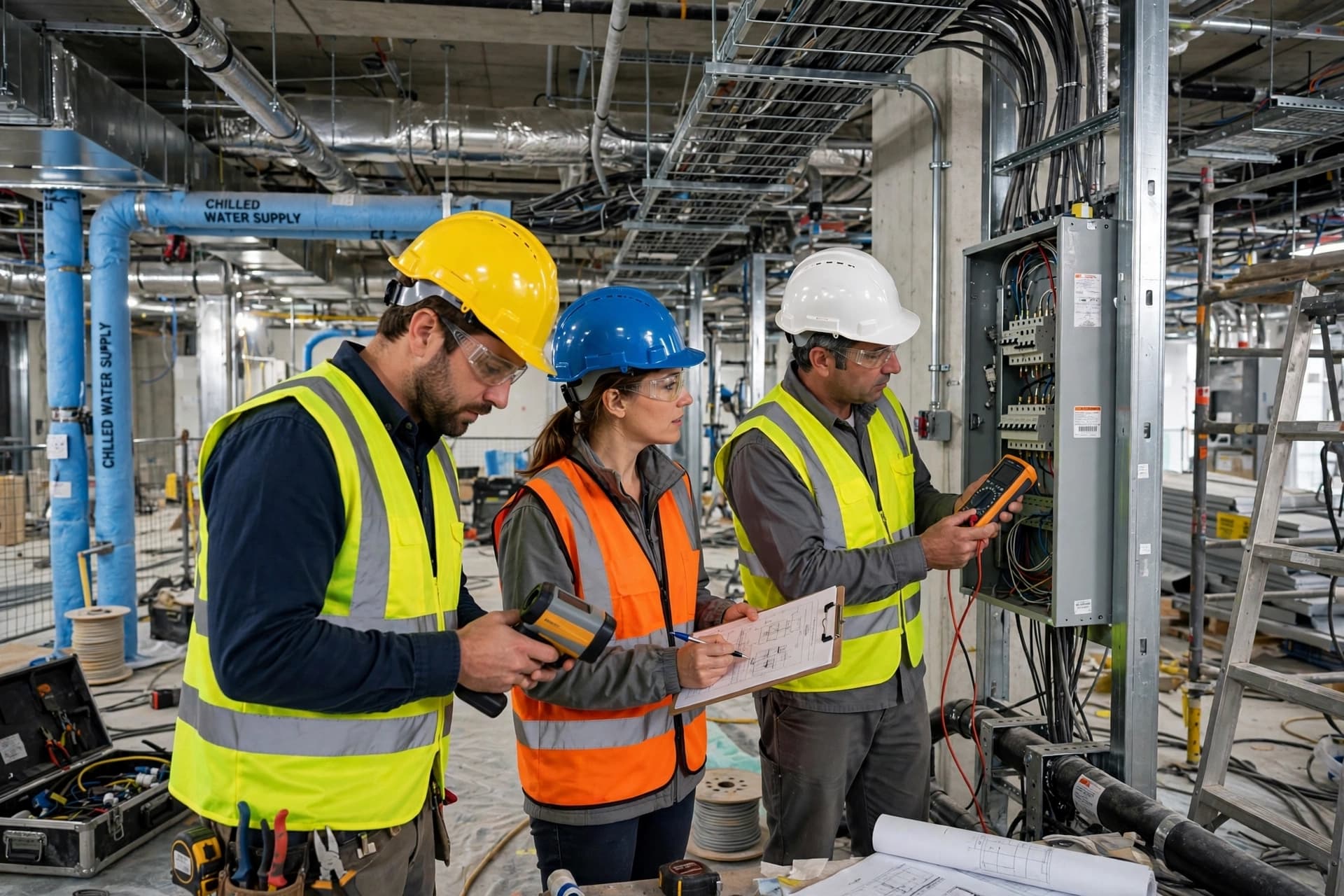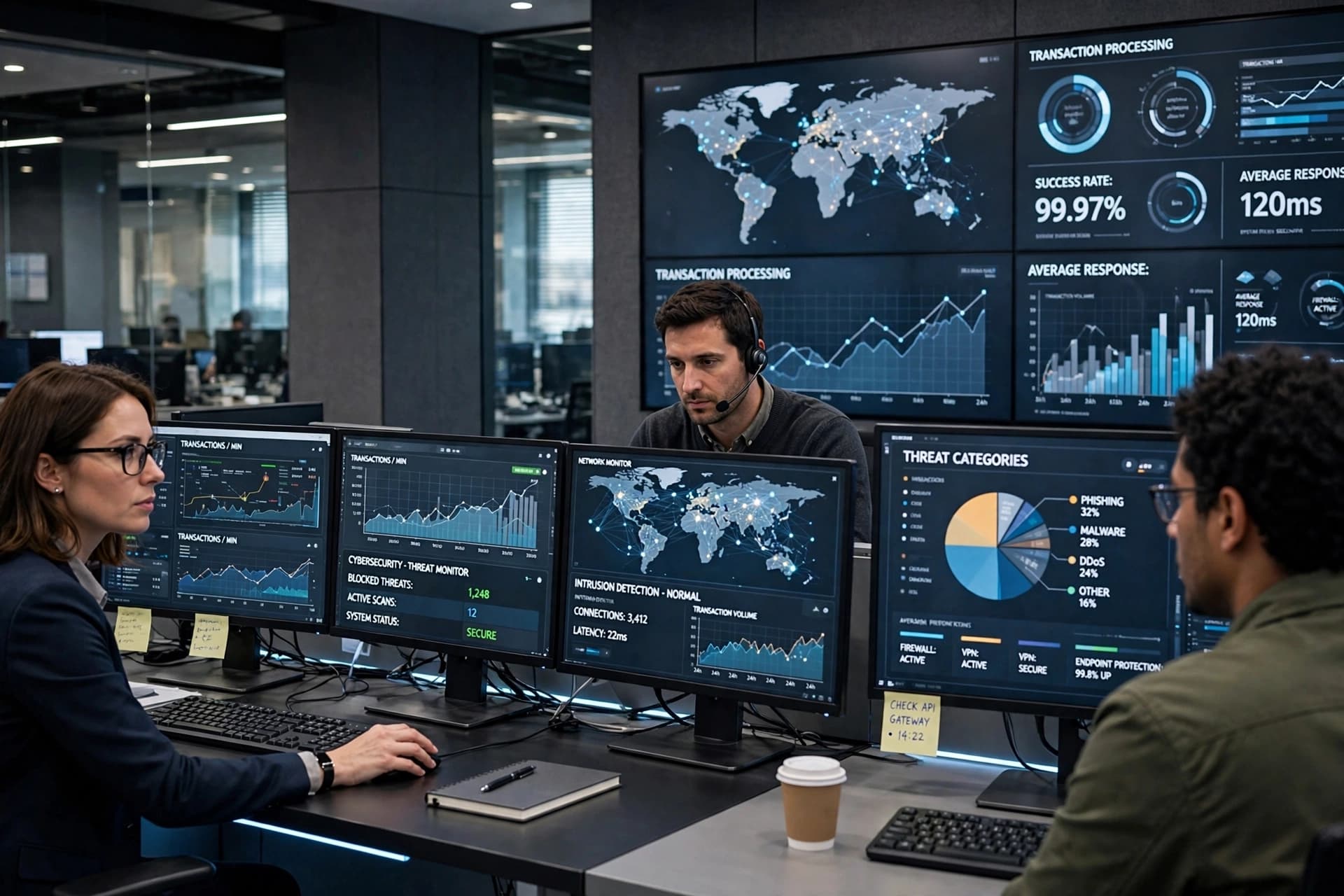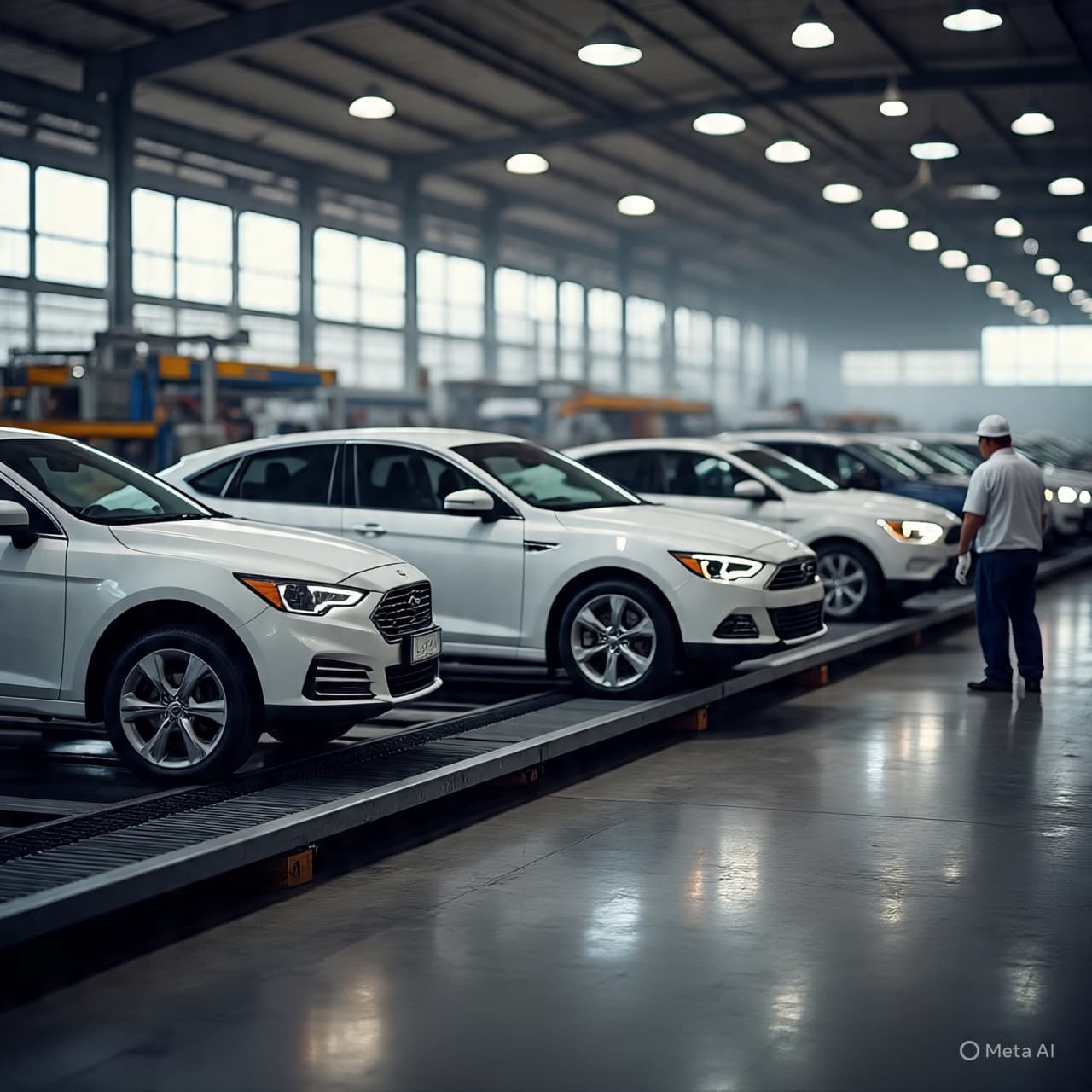
Morning sunlight drapes over the factories of Detroit, illuminating the long rows of machinery where steel and ambition meet. Here, the rhythm of engines, the quiet hum of robotics, and the careful choreography of assembly lines mark the passage of another day in automotive life. Yet beneath the steady motion, there is always the quiet undercurrent of risk: trade policies, tariffs, and global markets that can tip the scales with sudden force.
For Ford Motor Company, recent months brought exactly such a tremor. A surprise tariff, tallied at $900 million, landed like a weight upon its quarterly performance. Yet, as the quarter unfolded, a story of resilience emerged. Profits, once threatened by this unforeseen cost, rebounded, carried forward by steady sales and strategic planning. The numbers tell one story, but the atmosphere within the company reflects the delicate balancing act of modern industry: navigating the currents of policy while keeping factories, workers, and investors aligned toward motion.
This rebound is more than financial arithmetic; it is a reflection of adaptation. The company’s ability to absorb unexpected costs, adjust its operational strategies, and maintain momentum in a shifting economic landscape demonstrates the quiet endurance of a century-old enterprise. Suppliers, dealerships, and engineers all participate in a coordinated dance, responding to tariffs, market demand, and the global supply chain with precision that often goes unnoticed by the broader world.
As Ford faces the horizon of trade uncertainties, its experience mirrors that of many industrial giants: profits ebb and flow, tariffs rise and fall, and yet the work continues. Each assembly line carries not just steel and glass, but the weight of planning, risk assessment, and the subtle human ingenuity required to keep a company moving forward when the unexpected arrives at the door.
In straight news terms, Ford reported a profit rebound following a $900 million surprise tariff. The company’s earnings exceeded expectations despite the unexpected cost, reflecting steady vehicle sales and operational adjustments. Analysts note that the recovery demonstrates the company’s resilience amid global trade uncertainties and evolving market conditions.
AI Image Disclaimer
Illustrations were created using AI tools and serve as conceptual representations.
Sources (Media Names Only)
Reuters Bloomberg Financial Times The Wall Street Journal CNBC
Published by Banx Network. This article is part of the Banx decentralized media programme, powered by the BXE token on the XRP Ledger.