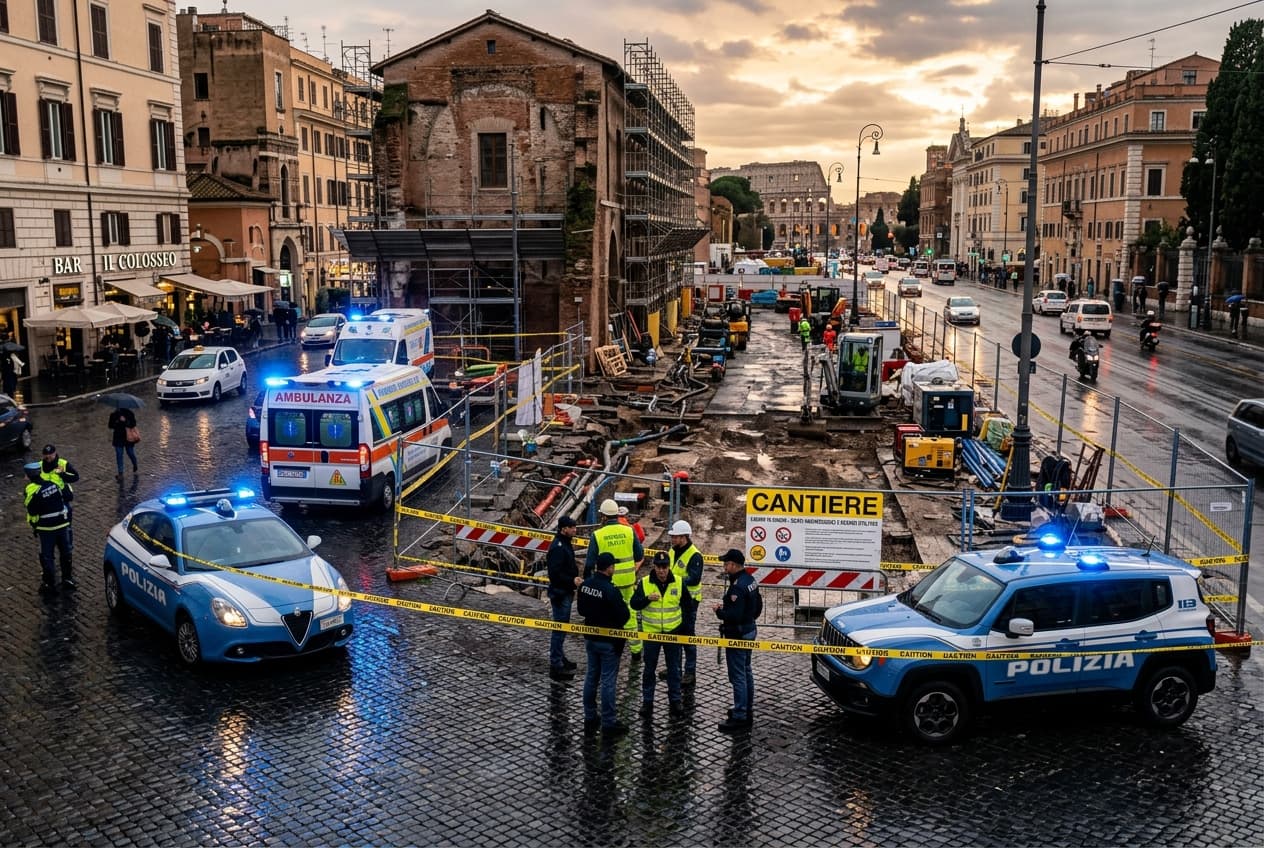
There are moments when the sound of an event fades quickly, yet its meaning lingers in the air like dust suspended at dusk. The horizon looks unchanged, the skyline steady against the evening light, but something invisible has shifted. In such moments, the future is not measured in hours or days, but in seasons.
Speaking publicly about recent military action involving Iran, Donald Trump said he believes it will take the country “several years” to recover from the attack. The phrase was delivered not as a timetable marked on a calendar, but as a projection — a sense that the aftereffects of the operation may stretch well beyond the present tension.
Recovery, in geopolitical terms, is rarely a single task. It can mean rebuilding damaged infrastructure, restoring industrial capacity, recalibrating military readiness, or stabilizing economic systems unsettled by disruption. It can also mean something less tangible: regaining confidence, recalculating alliances, and adjusting to a new balance of deterrence and response.
Iran’s strategic and economic architecture is layered and complex. Facilities, supply chains, command networks, and financial systems are interwoven across provinces and sectors. When strikes occur, the immediate impact may be visible in satellite images or official assessments. The longer-term effects, however, unfold gradually — in budget allocations, in energy exports, in diplomatic exchanges conducted behind closed doors.
Markets often attempt to quantify such statements. Energy traders assess whether production capacity has been materially affected. Investors consider sanctions, insurance risk, and regional stability. Governments review contingency plans and diplomatic channels. A remark about “several years” becomes part of a broader conversation about endurance and recalibration.
Time itself becomes a factor. Years can pass quickly in political life, yet they can feel long in economic reconstruction. Much depends on the scale of damage, the resilience of institutions, and the course of regional developments. History offers examples of states absorbing heavy blows and rebuilding with surprising speed, as well as cases where recovery extended far longer than first expected.
For now, the statement reflects one leader’s view of the likely trajectory. President Trump said Iran could require several years to recover from the recent attack, suggesting that the consequences may endure beyond the immediate phase of conflict. No detailed public assessment of the recovery timeline has been formally released by independent authorities.
As evening settles again over cities and deserts alike, the immediate noise has quieted. What remains is the longer question of time — how it stretches, how it heals, and how nations move through it after the shock of impact.
AI Image Disclaimer
Visuals are AI-generated and serve as conceptual representations.
Source Check
Reuters Associated Press BBC News The Wall Street Journal Financial Times
Published by Banx Network. This article is part of the Banx decentralized media programme, powered by the BXE token on the XRP Ledger.