
Key Highlights
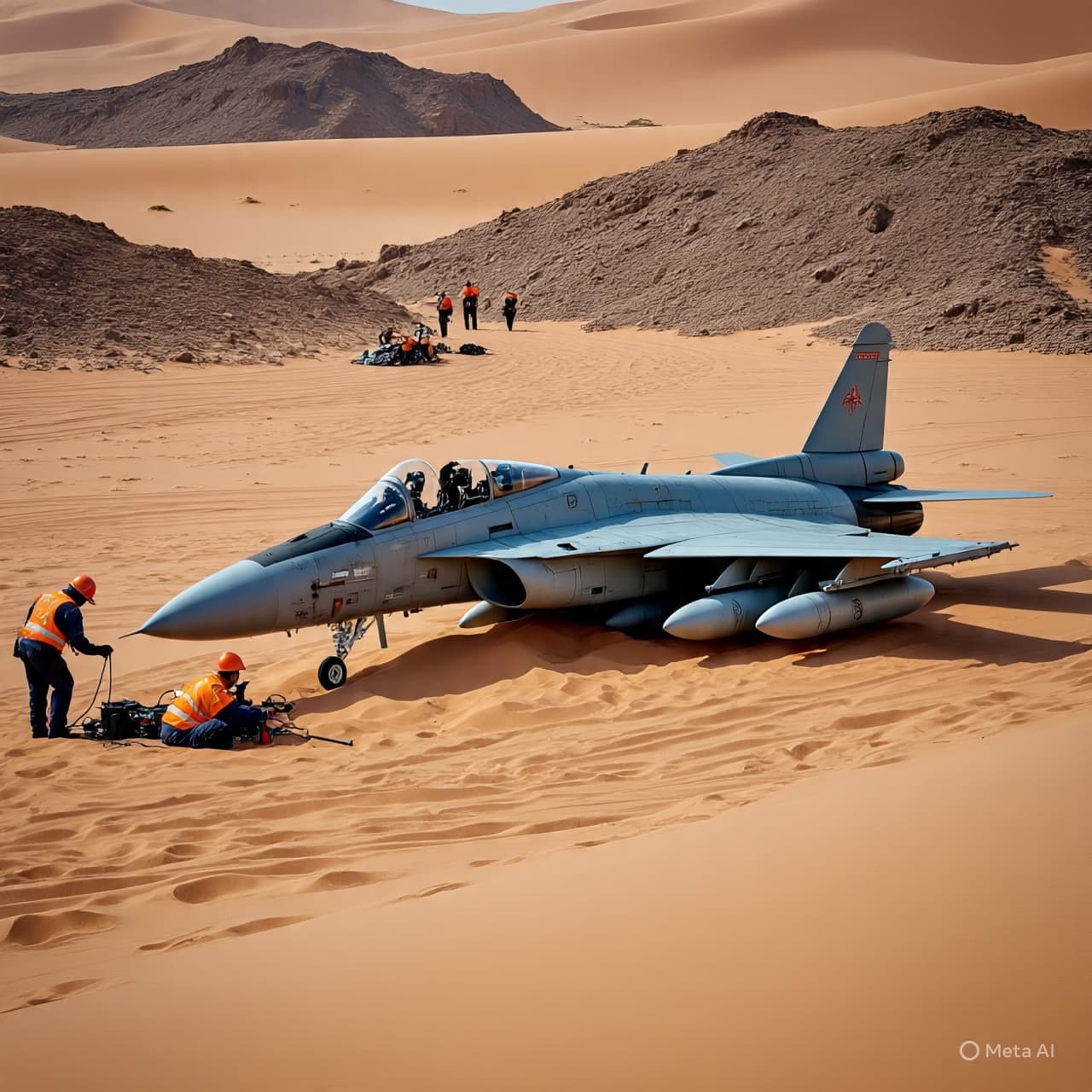
- Ongoing Search:The U.S. military is searching for a missing pilot from a downed F-15E fighter jet in Iran.
- Presidential Ultimatum:President Trump has issued a 48-hour ultimatum to Iran regarding the Strait of Hormuz.
- Global Impact:The situation affects global oil markets and maritime trade routes.
In the early hours before dawn breaks over the Persian Gulf, a sense of tension hangs in the air, a stark reminder of the precarious balance between peace and conflict. The waters, which have long served as a vital artery for global trade, now reflect the uncertainty brought on by recent military actions involving Iran. The search for a missing U.S. pilot, following the downing of an F-15E fighter jet, underscores the human stakes involved in this geopolitical crisis.
The conflict escalated after Iranian forces reportedly shot down the aircraft, leading to a complex interplay of military and diplomatic maneuvers. As rescue teams scour the rugged terrain of southwestern Iran, the fate of the missing pilot remains unknown. This search operation is not just a military endeavor; it symbolizes the human cost of warfare, where individual lives are intertwined with broader strategic objectives.
President Trump has amplified the urgency of the situation by issuing a 48-hour ultimatum to Iran, demanding the reopening of the Strait of Hormuz, a critical passage for oil shipments. His message, conveyed through social media, reflects the high stakes involved, as the strait is essential for the flow of energy resources that power economies worldwide. “Time is running out,” Trump warned, emphasizing the potential consequences should Iran fail to comply.
The Strait of Hormuz has become emblematic of the interconnectedness of global trade and the fragility of peace. With a significant portion of the world’s oil supply traversing this narrow waterway, any disruption can have far-reaching implications. Markets are already feeling the strain, as uncertainty looms over fuel prices and trade routes. The situation is further complicated by the geopolitical dynamics at play, with various nations closely monitoring developments in the region.
In Tehran, officials have responded to the ultimatum with a mix of defiance and a willingness to engage in dialogue. This dual approach reflects the complexities of international relations, where the desire for negotiation coexists with the need to assert sovereignty over vital shipping lanes. The Iranian government’s stance is crucial, as it holds the key to de-escalating tensions that could spiral into broader conflict.
As the search for the missing pilot continues, the human element of this crisis remains at the forefront. Families and communities are anxiously awaiting news, their lives hanging in the balance as policymakers navigate the turbulent waters of diplomacy and military strategy. The dawn may bring clarity, but for now, it serves as a poignant reminder of the fragility of hope amid uncertainty.
The situation in the Persian Gulf is evolving rapidly, with the U.S. military committed to locating the missing pilot while the political landscape shifts in response to President Trump’s ultimatum. The outcome of these developments will not only determine the fate of individuals but also shape the future of maritime trade and international relations in a region fraught with tension.
Published by Banx Network. This article is part of the Banx decentralized media programme, powered by the BXE token on the XRP Ledger.



