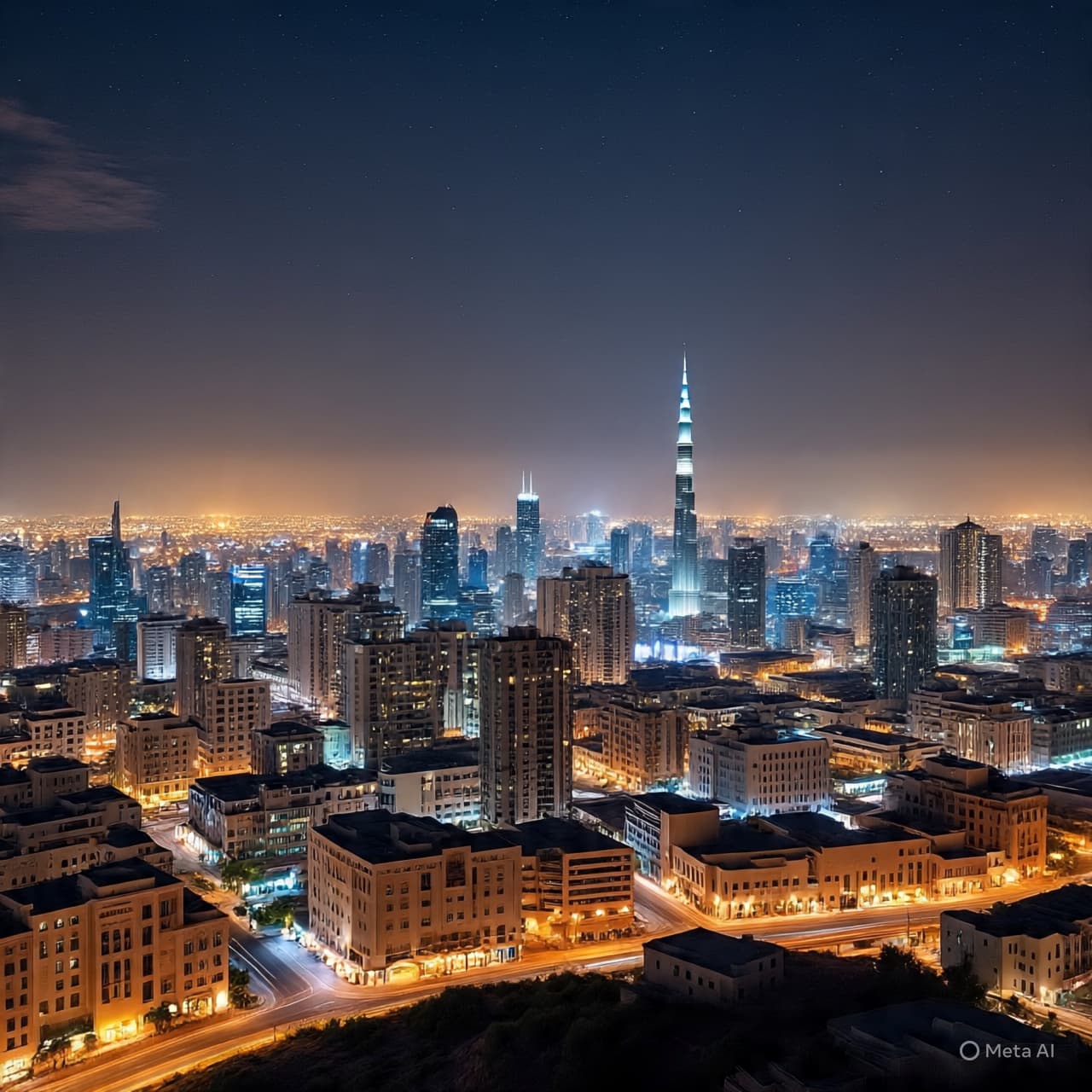
Night settles differently across the Middle East. In some cities, it arrives with the quiet shimmer of café lights and the distant murmur of traffic; in others, it descends beneath the low hum of aircraft tracing unseen arcs across the sky. The desert cools quickly after sunset, and along coastlines the tide keeps its patient rhythm, indifferent to borders or alliances. Yet in recent days, the stillness has felt thinner, stretched taut by events unfolding across capitals and corridors of power.
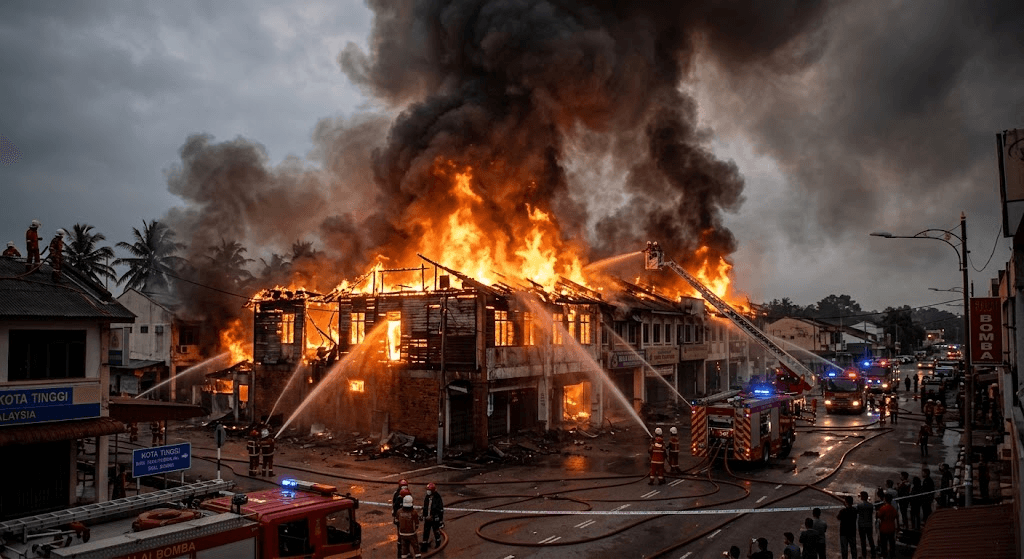
The conflict between the United States, Israel, and Iran — once confined to indirect exchanges and shadow operations — has widened into a more overt and coordinated confrontation. What began as targeted strikes on Iranian-linked facilities has evolved into a broader campaign involving missile launches, air defenses, and strategic messaging from Washington, Jerusalem, and Tehran. Each announcement lands like a stone in still water, sending ripples outward through markets, military alliances, and civilian life.
American officials describe the strikes as calibrated efforts to degrade Iran’s military capabilities and deter further attacks on U.S. personnel and Israeli territory. Israeli leaders, facing persistent threats from multiple fronts, have framed their actions as preemptive measures aimed at neutralizing infrastructure tied to missile production and regional proxies. Iran, in turn, has condemned the operations as violations of sovereignty, vowing retaliation while signaling that its response will be measured but firm.
In practical terms, the widening conflict has redrawn familiar maps. Airspace restrictions have expanded across parts of the region, forcing commercial airlines to reroute or cancel flights. Naval vessels patrol strategic waterways with heightened vigilance, particularly in the Strait of Hormuz, where a significant share of global oil shipments passes each day. Military bases from the eastern Mediterranean to the Gulf operate under reinforced security protocols, their routines sharpened by uncertainty.
The human dimension unfolds quietly alongside these strategic calculations. In Tel Aviv, families check news updates between evening meals. In Tehran, shopkeepers lower shutters earlier than usual, listening for official statements that might signal the next turn. In Gulf capitals, expatriate workers weigh contingency plans while diplomats shuttle between embassies. The geography of modern conflict is both vast and intimate, touching living rooms as surely as command centers.
Allies and adversaries alike watch closely. European governments have called for restraint, urging de-escalation and renewed diplomatic channels. Russia and China have voiced concern over regional stability, while the United Nations has convened emergency sessions to assess the humanitarian and security implications. The language of diplomacy — cautious, deliberate — contrasts with the immediacy of military developments, yet both operate within the same fragile frame.
Energy markets respond swiftly to each headline. Oil prices have fluctuated amid fears of supply disruptions, and global investors weigh the risk of prolonged instability. Defense analysts note that while none of the parties appear eager for full-scale war, the accumulation of limited strikes and counterstrikes increases the possibility of miscalculation. In a region dense with alliances and historical grievances, small actions can carry unintended consequence.
Still, beneath the arc of tension, daily life persists. Children walk to school past murals and traffic lights. Fishermen cast nets at dawn. In Jerusalem’s stone alleys and along Tehran’s broad avenues, people navigate ordinary errands while history edges forward around them. The widening conflict is not a single thunderclap but a gathering storm — layered, complex, and shaped by choices made in rooms far from the streets they ultimately affect.
As the week closes, officials in Washington and Jerusalem reiterate their objectives, emphasizing deterrence rather than conquest. Iranian leaders speak of resilience and calibrated response. The widening of this confrontation is measured not only in territory or targets, but in the depth of uncertainty it introduces to a region already familiar with strain.
Under the same sky that arches over desert and sea, the question remains unspoken yet ever-present: how far will the widening go? For now, the world watches as diplomacy and force move in uneasy tandem, each seeking to define the limits of the other. And in the quiet hours before dawn, when cities briefly exhale, there is a shared hope — fragile but persistent — that the arc of escalation might yet bend toward steadier ground.
AI Image Disclaimer Visuals are AI-generated and serve as conceptual representations.
Sources
Reuters Associated Press BBC News Al Jazeera The New York Times
Published by Banx Network. This article is part of the Banx decentralized media programme, powered by the BXE token on the XRP Ledger.