
Key Highlights
- At least 11 people killed in recent Israeli airstrikes across Lebanon.
- Strikes target Hezbollah infrastructure, extending beyond the border.
- Local communities face severe disruptions amid ongoing conflict.
Morning arrives slowly over Beirut, the light filtering through balconies draped with laundry and satellite dishes. The city, long accustomed to the tremor of distant thunder, pauses at each unfamiliar sound. Along the southern horizon, plumes of smoke rise in narrow columns, dissolving into the pale sky. Radios murmur in kitchens; phones vibrate on café tables. The day begins, but with a quiet tension threaded through its ordinary rituals.
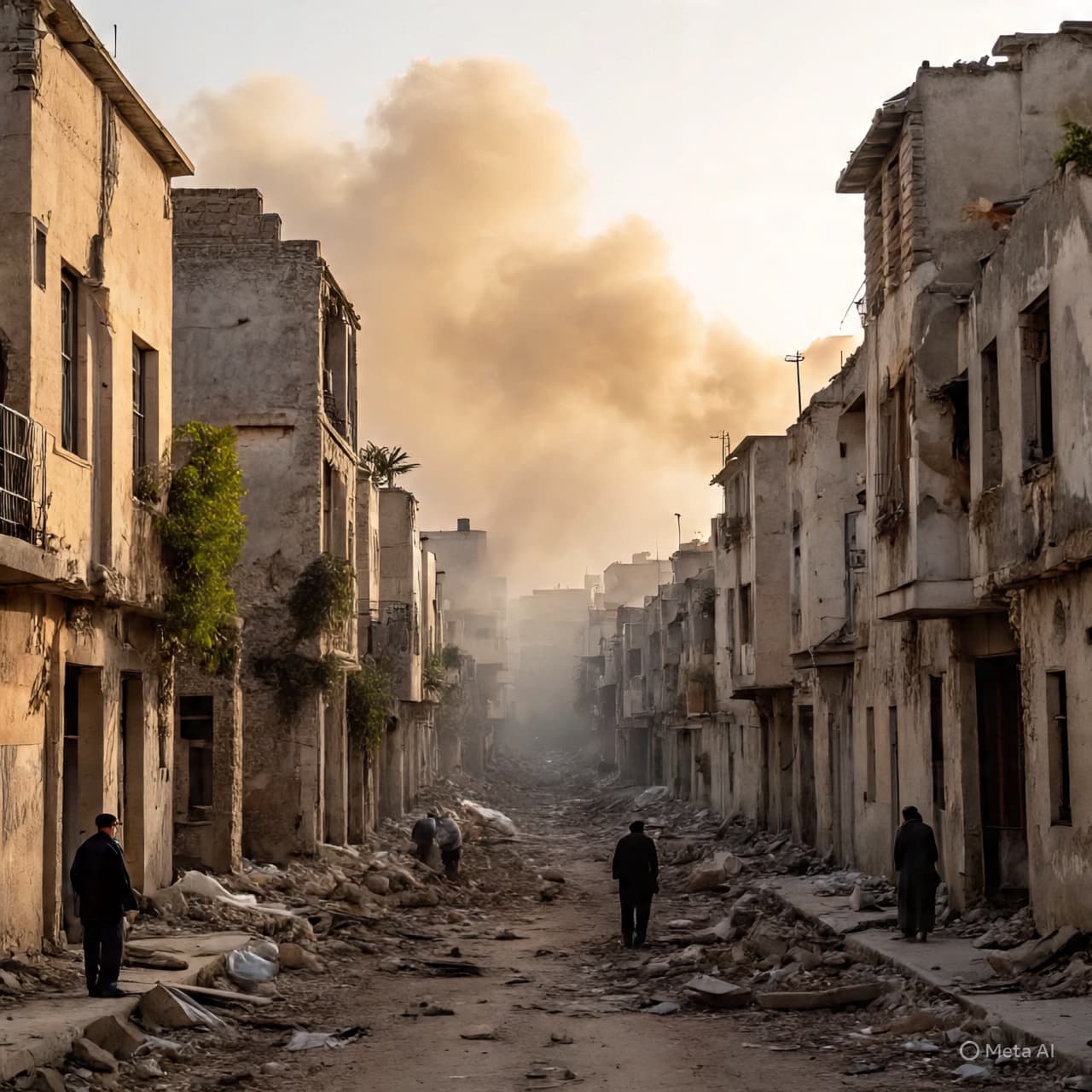
Israeli forces have intensified airstrikes across parts of Lebanon, with local authorities reporting that at least 11 people were killed in the latest wave of attacks. The strikes, described by Israel as targeting infrastructure linked to Hezbollah, have reached beyond the immediate border area, extending into towns and villages in the south and, at times, further north. Buildings have been reduced to concrete shells; roads once busy with school traffic now carry ambulances and civil defense crews.
The escalation follows months of cross-border exchanges between Israel and Hezbollah, a pattern that accelerated after the outbreak of war in Gaza last year. Rockets fired from Lebanese territory toward northern Israel have prompted retaliatory strikes, creating a rhythm of action and response that has gradually widened in scope. Israeli officials say the operations are aimed at degrading Hezbollah’s capabilities and pushing its forces away from the frontier. Hezbollah, in turn, frames its actions as part of a broader regional confrontation.
In southern Lebanon, the landscape bears visible marks of this intensification. Olive groves stand scorched at their edges; utility poles lean at uncertain angles. Municipal leaders have reported damage to homes and basic infrastructure, complicating efforts to restore electricity and water in communities already strained by Lebanon’s prolonged economic crisis. The country’s fragile health system, weakened by years of financial collapse and the lingering aftermath of the Beirut port explosion, faces renewed pressure as casualties mount.
Israel’s military has indicated that it is expanding the range and frequency of its strikes in response to continued rocket fire. Northern Israeli communities have also experienced disruption, with warning sirens sounding and residents sheltering intermittently. The border region on both sides, once animated by agriculture and small trade, now feels suspended—fields untended, classrooms quiet.
Diplomatic channels remain active, though their tone is cautious. International actors, including the United States and European governments, have urged restraint and sought to prevent a broader regional war. France, which maintains historic ties with Lebanon, has reiterated calls for de-escalation. At the United Nations, discussions continue about the mandate of peacekeeping forces stationed in southern Lebanon, whose patrols trace familiar routes amid unfamiliar tension.
For Lebanese civilians, the escalation is measured less in communiqués than in disrupted nights. Families weigh whether to remain or to move northward, balancing attachment to place against the unpredictability of further strikes. Aid organizations prepare contingency plans, mindful that displacement could deepen if the violence persists.
The figure—at least 11 killed—stands starkly against the soft light of morning. Behind it are names, homes, routines interrupted. Israeli officials have not indicated a timeline for the intensified campaign, but they have signaled that operations will continue as long as they deem threats imminent. Hezbollah has vowed to persist in its cross-border actions.
As dusk settles again over Beirut, the call to prayer mingles with the distant hum of aircraft. The Mediterranean remains outwardly calm, its surface reflecting the last traces of sun. Yet along the hills to the south, the air carries a different echo.
The escalation has altered the cadence of daily life across Lebanon’s borderlands, and with each strike, the margin for miscalculation narrows. For now, the conflict remains concentrated but volatile—its course shaped by military decisions, diplomatic efforts, and the endurance of communities living beneath uncertain skies.
Published by Banx Network. This article is part of the Banx decentralized media programme, powered by the BXE token on the XRP Ledger.



