There is a particular width of light that settles over Southern California in early March — long afternoons where the sun descends slowly and the haze off distant hills seems to fold into the day. In that soft, layered atmosphere, drivers have yearned for the familiar rhythms of traffic and tide. Yet this week that quiet has been punctuated, unexpectedly, by another kind of tally: the rising numbers on gas pumps, counting up to figures that have felt, for many, both startling and strangely resonant with the unsettled moment.
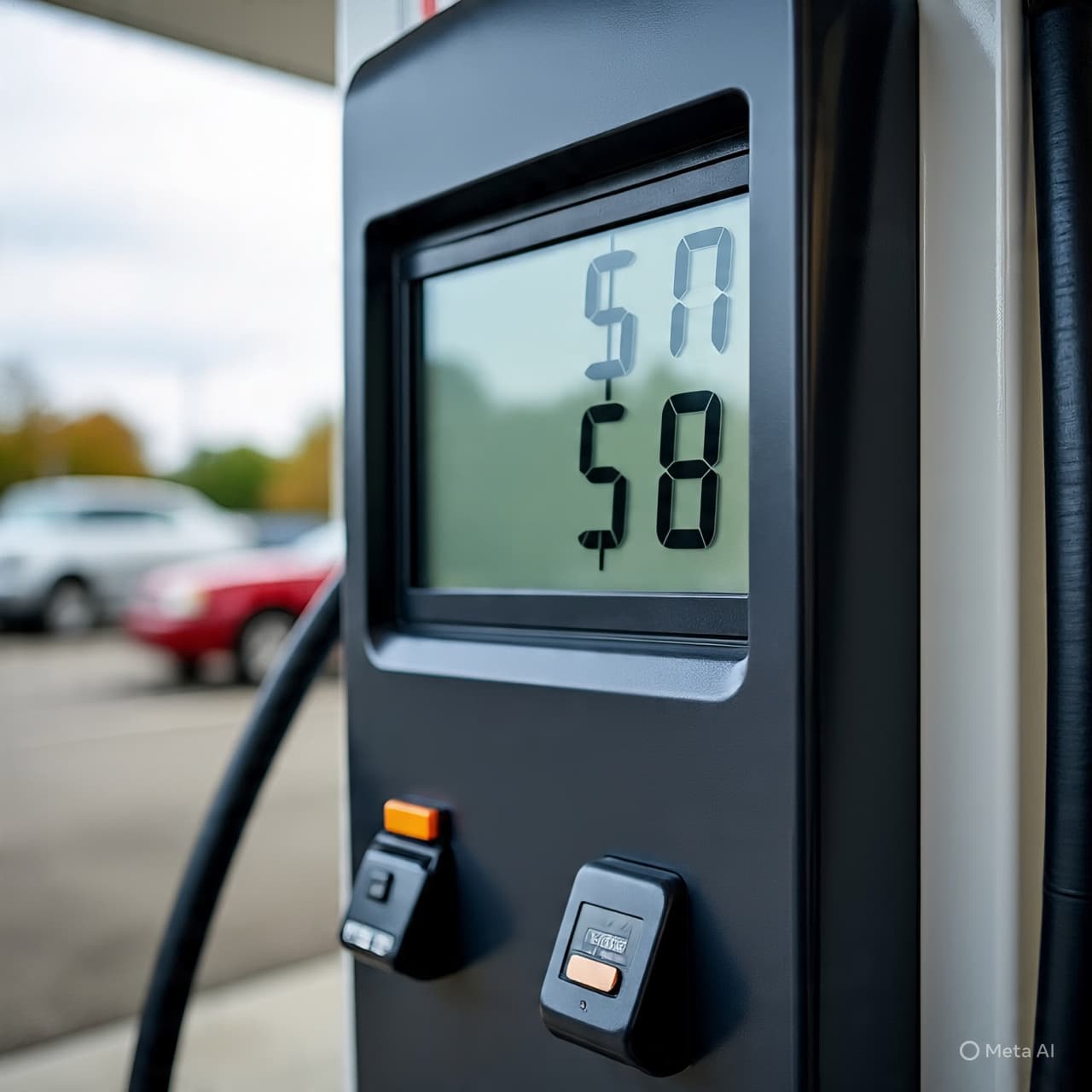
Along the broad arteries of Los Angeles and the sprawl that stretches into Orange and Riverside counties, the cost of a gallon of regular unleaded has climbed well past familiar bounds. At the county level, averages are now above $5 a gallon, marking some of the steepest daily increases in over a decade as prices jumped by nearly 18 cents in a single day, the largest such spike since 2012. But perhaps the most telling marker of this moment was seen in one downtown Los Angeles station, where drivers encountered a price of more than $8 a gallon — a figure that startled commuters, rideshare drivers, and occasional errand‑runners alike.
For many residents, that number hovered at the edge of disbelief as they pulled into well‑lit lots near office towers or side streets, checking the pump display as if it were another shifting horizon. A rideshare driver, reflecting on his morning miles, noted how the rising cost had loosened not just tight household budgets but the simple rhythm of tips, conversations, and everyday errands.
The surge in pump prices did not spring from local paperwork or sudden scarcity at a single garage. Across the West Coast and the nation, energy markets have been tilting under pressures from afar: shifts in global oil flows, disruptions in strategic supply routes, and a backdrop of geopolitical tension that has nudged crude prices above longstanding benchmarks. These changes, felt most acutely where refining capacity is complex and fuel blends are specialized, can ripple into the everyday without much fanfare until the numbers on the pump suddenly feel personal.
In Los Angeles County alone, averages that once hovered comfortably below $5 have climbed rapidly, and neighboring Orange and Riverside counties have seen similar trajectories, inflating costs that were already among the nation’s highest. In conversations along freeways and coffee counters, the lines between seasonal demand, regulatory costs, and global supply anxieties have blurred, leaving drivers with a simple, immediate fact: the price of moving a car, and the hours wrapped up in that motion, have become more expensive almost overnight.
Yet within this uptick, there are familiar patterns — echoes of earlier price surges that Californians and commuters have seen before, from shifts in refinery output to broader oil market gyrations. They remind us that the economy’s large forces often trace through the most common experiences: the commute, the grocery run, the scenic drive up the coast.
In straight news language, gasoline prices in Southern California have jumped sharply, with the average price for a gallon of regular gasoline now above $5 across several counties, and at least one Los Angeles station reported charging more than $8 per gallon. These increases are part of a broader rise in fuel costs linked to global oil market disruptions and seasonal demand patterns, contributing to the highest regional gas prices seen in months.
AI Image Disclaimer
Visuals are AI-generated and serve as conceptual representations.
Sources (Media Names Only)
KABC/ABC7 Los Angeles NBC Los Angeles Orange Today
Published by Banx Network. This article is part of the Banx decentralized media programme, powered by the BXE token on the XRP Ledger.