In Bangui, the air after an election can feel heavier than the heat. Streets resume their rhythms, radios murmur official tallies, and the future arrives not with drama but with confirmation. This week, that confirmation came decisively: the president of the Central African Republic secured a third term by a wide margin, extending a tenure already shaped by conflict, negotiation, and persistence.
The results, announced by electoral authorities, showed a landslide victory that left little ambiguity about the outcome. Supporters pointed to stability and continuity, framing the vote as an endorsement of leadership during years marked by insecurity and fragile peace. The numbers spoke with clarity, even as turnout and conditions drew the familiar scrutiny that accompanies elections in the country.
For President Faustin-Archange Touadéra, the win follows constitutional changes that reset term limits, clearing the legal path to seek office again. Those changes, approved by referendum, were defended by allies as necessary for continuity in a state still navigating armed groups and uneven governance. Critics, however, have long warned that such revisions risk concentrating power in a system already under strain.
The campaign unfolded against a backdrop of limited opposition participation. Several prominent challengers were absent, either barred from running or choosing not to take part, citing concerns over fairness and security. Their absence shaped the contest as much as the ballots cast, contributing to an outcome that felt settled well before election day.
International reactions have been measured. Observers acknowledged the declared results while reiterating calls for inclusive governance, dialogue, and respect for civil liberties. In a country where peace has often depended on negotiated balance, the emphasis has remained on what follows the vote rather than the vote itself.
For many citizens, the election was less about ideology than endurance. Daily life in the Central African Republic continues to be shaped by access to food, security, and services, realities that outlast electoral cycles. A decisive result offers predictability, but it also places expectations squarely on the administration as it begins another term.
Electoral authorities have finalized the outcome, confirming the president’s mandate for the coming years. With the ballots counted and the celebrations subdued, attention now turns to governance—how power is exercised, how stability is maintained, and whether continuity can translate into tangible change
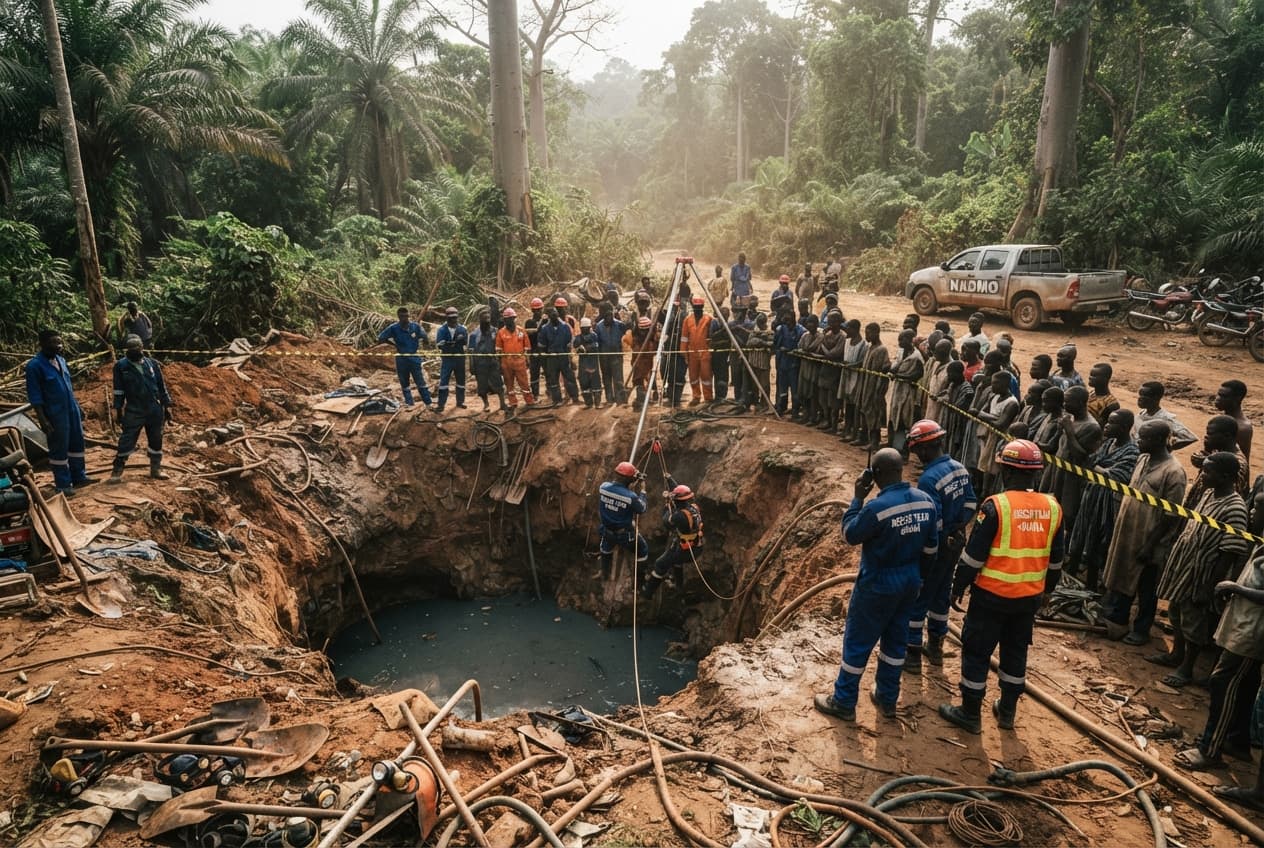
AI Image Disclaimer Illustrations were created using AI tools and are not real photographs.
Published by Banx Network. This article is part of the Banx decentralized media programme, powered by the BXE token on the XRP Ledger.