
Key Highlights
- Intensified Russian strikes in Ukraine coincide with global crises.
- Military operations target infrastructure and urban centers.
- Civilians adapt to the ongoing conflict's unpredictable rhythms.
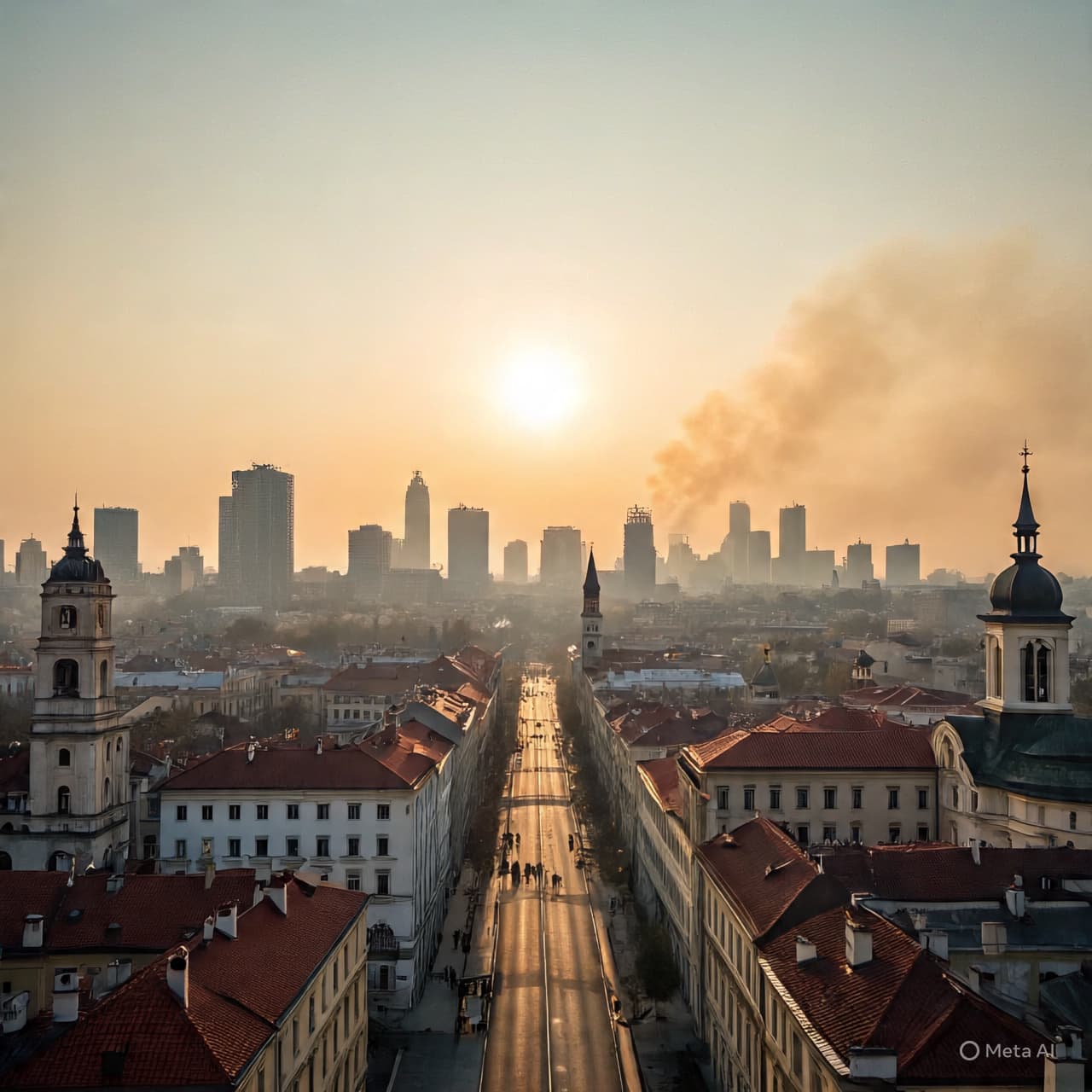
The ongoing war in Ukraine has entered a new phase, marked by an increase in Russian military operations that coincide with a shifting global focus. As the world grapples with various crises, including escalating tensions in the Middle East, the conflict in Ukraine has seen a resurgence of violence that demands attention. Reports indicate that missile and drone strikes have intensified, targeting critical infrastructure and urban centers, leaving communities to navigate the aftermath of these assaults.
In recent days, Ukrainian officials have noted a troubling uptick in attacks, particularly on energy facilities that have already been strained by previous assaults. The impact of these strikes is felt acutely by civilians, who experience the war not as a distant narrative but as a daily reality marked by the wail of sirens and the uncertainty of power outages. The rhythm of life in Ukraine continues to be disrupted, as the conflict extends into another cycle of seasons, each bringing its own challenges and hardships.
From a strategic perspective, Russia appears to be capitalizing on the world's divided attention. With diplomatic and military resources increasingly focused on other global issues, the capacity for sustained scrutiny on Ukraine has diminished. This shift creates an environment where military operations can escalate with less immediate oversight, allowing for a recalibration of tactics that might otherwise attract more significant international response.
The interplay between the conflicts in Ukraine and other global crises is complex and multifaceted. Observers note that military supply chains and political priorities are being recalibrated in response to the evolving landscape of international relations. While support for Ukraine remains, it is now influenced by competing demands from other regions, each crisis vying for its share of global attention and resources.
Despite these challenges, the resilience of the Ukrainian people remains evident. Emergency crews continue to work tirelessly in the aftermath of strikes, clearing debris and restoring essential services. Civilians adapt to the unpredictable nature of their environment, demonstrating a steadfast refusal to yield to the pressures of ongoing conflict. The landscape of Ukraine bears the scars of war, yet it also reflects a deep-seated determination to endure.
As the day unfolds across different continents, the connections between distant events become increasingly apparent. A strike in Ukraine reverberates through diplomatic negotiations elsewhere, illustrating how intertwined the fabric of global crises has become. Each decision made in one part of the world can have far-reaching consequences, reshaping how conflicts are fought and understood.
Ultimately, the intensification of attacks in Ukraine serves as both a continuation of a war that has never truly paused and a reflection of a world where crises overlap and influence one another in profound ways. As global attention shifts, the reality on the ground remains unyielding, marked by the resilience and humanity of those who continue to live through it.
Published by Banx Network. This article is part of the Banx decentralized media programme, powered by the BXE token on the XRP Ledger.



