The climate system is a vast, breathing entity, its rhythms felt across continents and oceans. Currently, the phenomenon known as El Niño is exerting its influence, shifting weather patterns and altering the delicate balance of global agriculture. While its presence is undeniable, the full extent of its impact on crop yields remains shrouded in uncertainty. Farmers and economists alike watch with bated breath, knowing that the final tally of harvests will depend on a complex interplay of factors that are difficult to predict with precision.
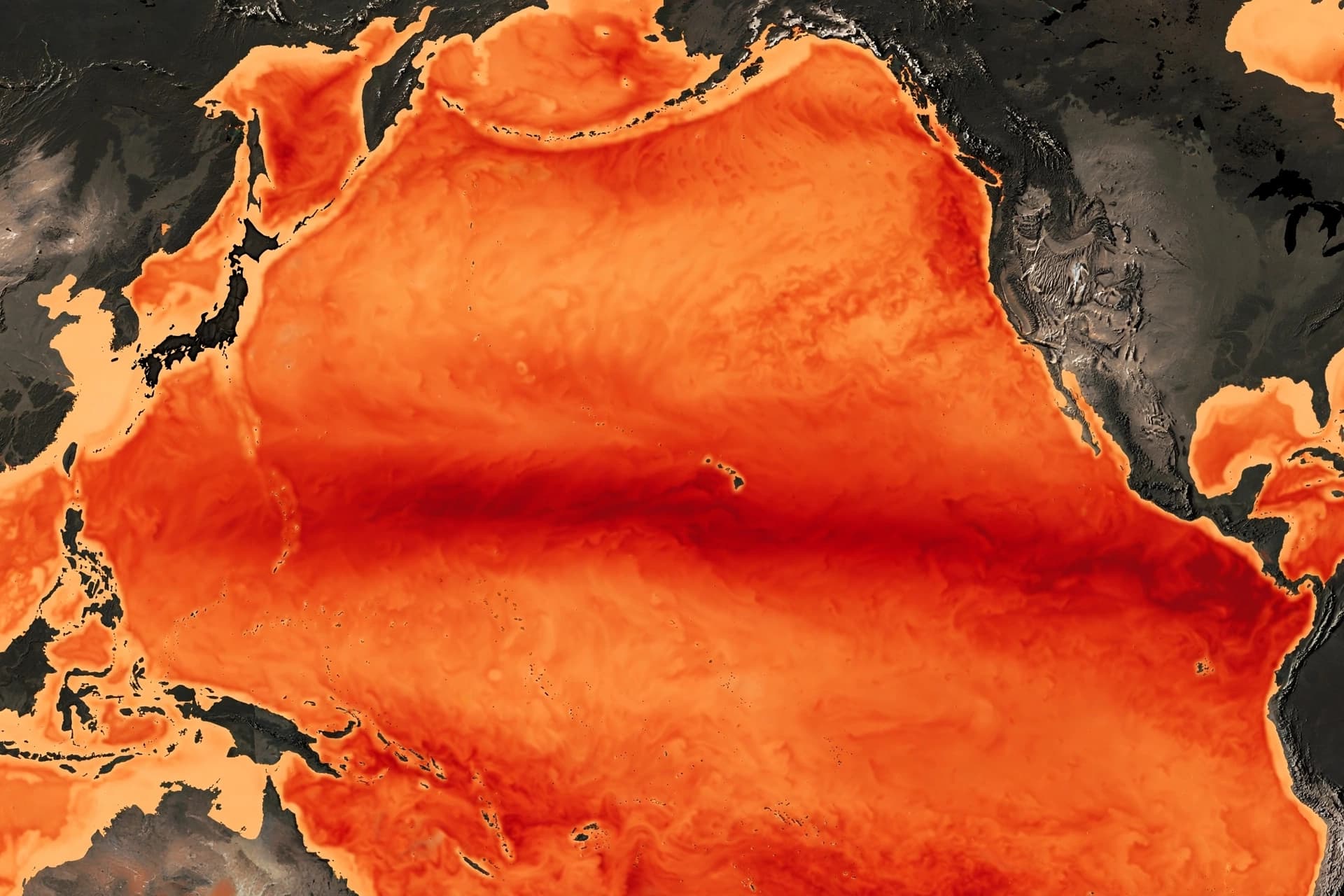
El Niño, characterized by the warming of sea surface temperatures in the central and eastern Pacific, typically brings warmer and drier conditions to some regions while causing increased rainfall in others. This shift disrupts normal weather cycles, leading to droughts in areas like Southeast Asia and Australia, and potential flooding in parts of South America. For agriculture, which relies heavily on predictable seasonal patterns, these changes pose significant challenges.
The uncertainty surrounding crop impacts stems from the variability of El Niño events. Not all episodes are created equal; some are mild, while others are strong enough to cause widespread disruption. Current models suggest a moderate to strong event, but local conditions such as soil moisture, infrastructure resilience, and farming practices also play critical roles. A drought in one region might be offset by favorable conditions in another, making global assessments complex.
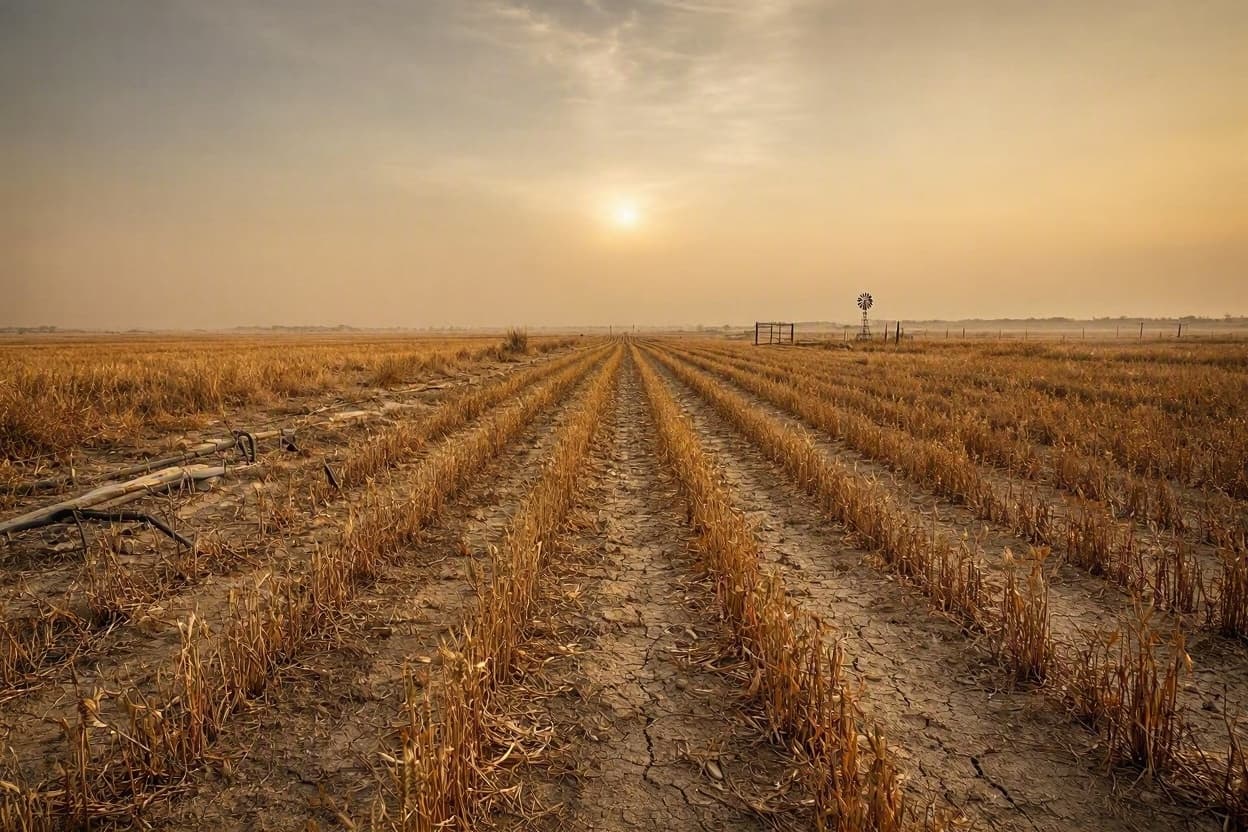
Key commodities such as rice, wheat, and soybeans are particularly vulnerable. In Southeast Asia, reduced rainfall threatens rice production, a staple for billions. Meanwhile, in South America, excessive rain could damage soybean crops, affecting global supply chains. The ripple effects of these potential shortages can lead to price volatility, impacting food security and economic stability worldwide.
Farmers are adapting by employing drought-resistant varieties and improving irrigation systems, but these measures require time and investment. Smallholder farmers, who lack resources, are often the most affected. International organizations are working to provide support and information, helping communities prepare for possible outcomes. However, the inherent unpredictability of weather means that contingency plans must remain flexible.
Scientific research continues to refine our understanding of El Niño’s mechanisms. Advanced satellite data and climate models are improving forecast accuracy, allowing for better early warning systems. Yet, the gap between prediction and reality remains, reminding us of the limits of human control over natural forces. This humility is essential in navigating the challenges of a changing climate.
The broader implication is the need for resilient agricultural systems. Diversification of crops, sustainable land management, and investment in technology can help mitigate risks. By building capacity to withstand climatic shocks, societies can protect their food supplies and livelihoods. It is a long-term endeavor that requires cooperation and foresight.
As El Niño continues to influence global weather, the agricultural sector faces a period of uncertainty. While the exact impact on crops remains unclear, proactive measures and international cooperation offer hope for mitigation. The situation underscores the importance of adaptability and resilience in the face of natural variability.
AI Image Disclaimer: The images associated with this report are AI-generated visualizations created to provide context and should not be interpreted as documentary evidence.
Sources: Food and Agriculture Organization (FAO) World Resources Institute Reuters Science Direct XWeather
Published by Banx Network. This article is part of the Banx decentralized media programme, powered by the BXE token on the XRP Ledger.