

Key Highlights
- Oman's potential transit fees could impact global oil markets.
- The Strait of Hormuz is a critical chokepoint for oil transport.
- Uncertainty in pricing may lead to market volatility.
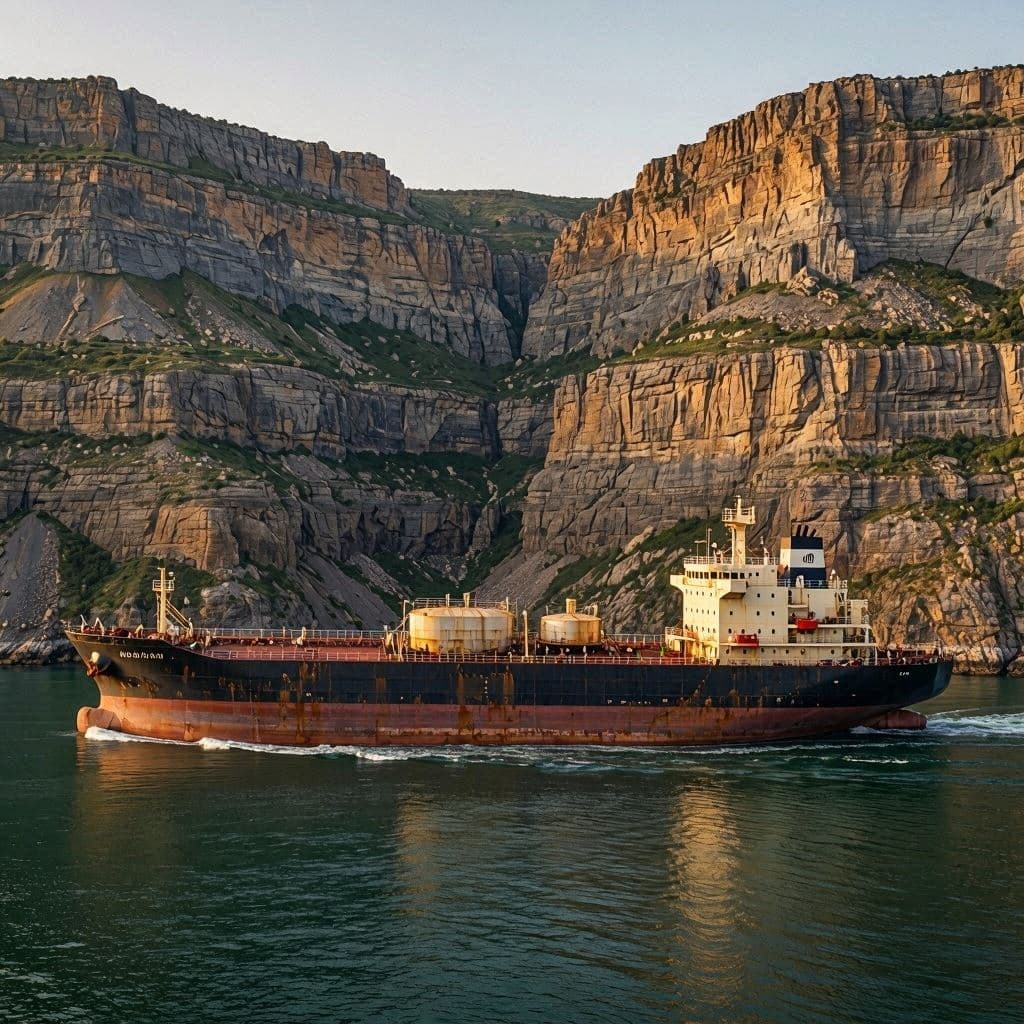
Oman, known for its diplomatic approach in the Middle East, is currently facing a significant challenge as it considers implementing transit fees for vessels passing through the Strait of Hormuz. This strategic waterway is crucial, with approximately 20% of the world's oil supply flowing through it. The Sultanate's move to impose fees is seen as a way to assert its sovereignty and generate revenue, but it has also created uncertainty in global markets that depend on the predictability of shipping routes.
The discussions surrounding these potential fees have raised eyebrows among traders and analysts alike. The lack of clear communication regarding the specifics of the fees—such as how they will be calculated, who will be exempt, and how the revenue will be utilized—has left many in the industry guessing. This ambiguity can lead to market overreactions, with oil prices fluctuating based on speculation rather than solid information. In financial markets, uncertainty often breeds volatility, which can have far-reaching consequences for economies worldwide.
Oman's position as a neutral mediator in the region complicates the situation further. The Sultanate has historically maintained a delicate balance in its relationships with major powers, including the United States and Iran. Imposing transit fees could be interpreted as a provocative move by some, while others might see it as a legitimate assertion of national rights. The challenge for Oman lies in navigating these sensitivities to avoid escalating tensions that could disrupt the flow of commerce through this vital passage.
The potential introduction of transit fees also raises concerns about the precedent it may set for other nations. Critics argue that if Oman begins charging for passage, it could encourage other countries to follow suit, leading to a fragmented shipping regime that complicates global trade. For shipping companies, the financial implications of these fees could be significant. While the cost per barrel may seem minimal, it accumulates over millions of barrels transported daily, forcing companies to make tough decisions about absorbing costs or passing them on to consumers.
The broader implications of Oman's potential tolls extend beyond immediate financial concerns. The interconnectedness of global supply chains means that decisions made in the Strait of Hormuz can reverberate across economies worldwide. This situation underscores the fragility of global trade networks and the importance of stable and cooperative governance in key maritime regions. As Oman continues to deliberate on this issue, the hope is that it will provide clearer guidance to alleviate market anxieties and maintain the delicate balance of regional stability.
In conclusion, Oman's consideration of transit fees in the Strait of Hormuz highlights the need for transparent communication and careful diplomacy. As the Sultanate navigates this complex landscape, its actions will not only affect regional relations but also have significant implications for global energy stability. The world watches closely, hoping for a resolution that respects Oman's sovereignty while ensuring the smooth functioning of international trade.
Published by Banx Network. This article is part of the Banx decentralized media programme, powered by the BXE token on the XRP Ledger.




