
Key Highlights
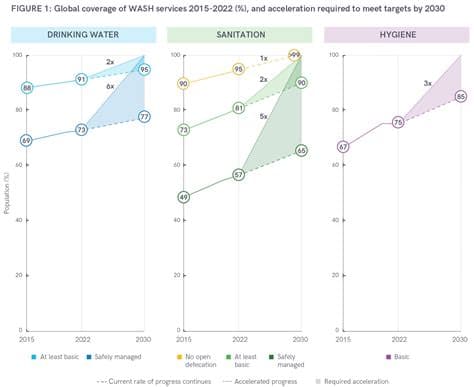
- Nearly 1 billion people gained access to safely managed drinking water since 2015.
- 1.2 billion people now have access to safely managed sanitation.
- Electricity access has reached 92% of the global population.
A recent report from the United Nations has revealed significant advancements in global access to water, sanitation, and electricity since the adoption of the Sustainable Development Goals (SDGs) in 2015. According to the findings, nearly one billion people have gained access to safely managed drinking water, while an impressive 1.2 billion have achieved access to safely managed sanitation facilities. Furthermore, the report indicates that electricity now reaches approximately 92% of the world's population, marking a substantial improvement in energy access.
Despite these encouraging statistics, the report emphasizes that progress has been uneven across different regions and demographics. While some countries have made remarkable strides, others continue to face significant challenges in meeting the SDGs by the target year of 2030. The UN report calls for urgent action to address these disparities, highlighting the need for stronger financing and more targeted policies to ensure that no one is left behind.
The report underscores the importance of sustained investment in infrastructure and services to maintain the momentum achieved over the past several years. It notes that while the gains in access to water and sanitation are commendable, they are not sufficient to meet the growing demands of a rapidly increasing global population. The UN urges governments and stakeholders to prioritize investments in these critical areas to ensure equitable access for all.
In addition to water and sanitation, the report also highlights the crucial role of electricity in driving economic development and improving quality of life. Access to reliable electricity is essential for education, healthcare, and economic activities, making it a vital component of sustainable development. The UN's findings serve as a reminder of the interconnectedness of these essential services and the need for comprehensive strategies to address them holistically.
As the world approaches the halfway mark to the 2030 deadline for achieving the SDGs, the UN report serves as both a progress report and a call to action. It emphasizes that while significant advancements have been made, much work remains to be done to ensure that all individuals have access to the fundamental resources necessary for a healthy and prosperous life. The report concludes with a strong message urging governments, organizations, and communities to collaborate and accelerate efforts to close the remaining gaps in access to water, sanitation, and electricity.
Published by Banx Network. This article is part of the Banx decentralized media programme, powered by the BXE token on the XRP Ledger.



